Ductwork and duct sealing in Conyers, GA refers to the inspection, repair, and sealing of the air distribution system inside your home. When ducts leak, come apart, or collapse, conditioned air never reaches the rooms it should. Sealing those leaks with mastic compound and repairing damaged runs restores airflow, lowers energy waste, and takes the strain off your heating and cooling equipment.
Conyers sits about thirty minutes east of Atlanta on I-20, and the housing here reflects that growth pattern. Older neighborhoods near Olde Town Conyers still have homes built in the 1970s and 1980s, many with original ductwork that has never been touched. Ranch houses and split-levels in subdivisions like Honey Creek were built during an era when duct installation was fast and duct sealing was an afterthought. Decades of Georgia heat and humidity have not been kind to that flex duct.
Newer construction along the Salem Road corridor comes with its own considerations. Bigger homes mean longer duct runs, more opportunities for leaks at connections and boots, and systems that can be undersized or unbalanced from the start. Whether your home is forty years old or ten, the duct system is worth a close look before you replace equipment or keep paying high bills.
All Purpose Heating and Air Conditioning has been doing this work for more than 35 years. Our crews run I-20 east to Conyers regularly, and we know the homes here well enough to know what to look for before we ever open the attic hatch.
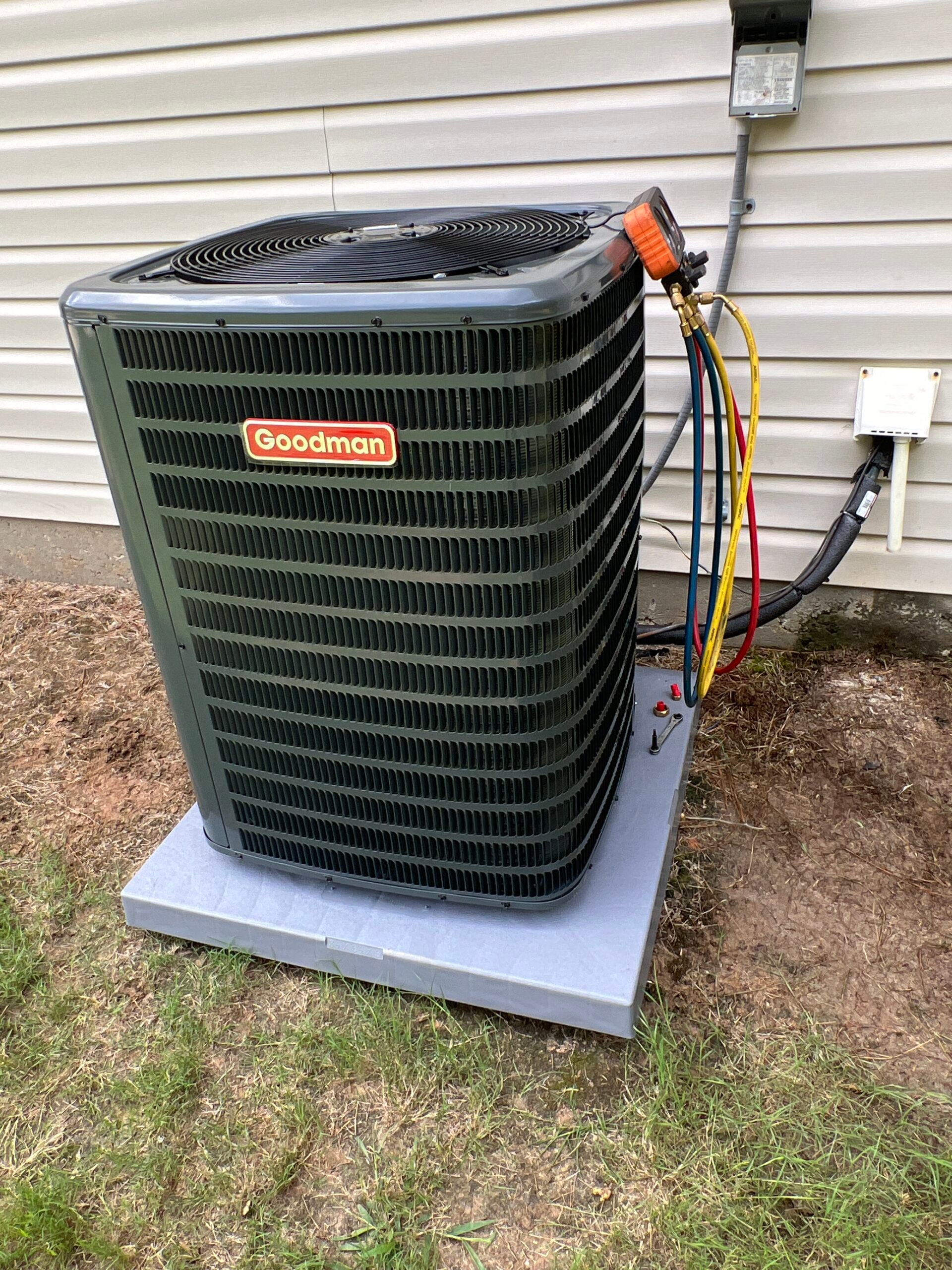
Most duct problems do not announce themselves. They show up as something else: a room that never gets comfortable, a utility bill that climbs every summer, or dust that reappears on furniture a day after you clean. These are the things worth paying attention to.
Weak or uneven airflow. If one bedroom stays stuffy while the living room is fine, the duct serving that room may be crushed, disconnected, or leaking badly. In ranch-style homes common to subdivisions like Honey Creek and Lakeview Estates, long flex duct runs in low attic spaces are especially prone to sagging and kinking over time.
Dust that comes back fast. Leaky ducts pull air from unconditioned attic spaces and push it into your living area. That attic air carries insulation particles, mold spores, and general debris. If you are dusting constantly, the duct system may be the source.
High bills despite a newer system. A system installed in the last few years should not be running your bills through the roof. If it is, the equipment may be working fine but losing a significant portion of its output through leaky ducts before that air ever reaches a vent. This is a common finding in homes where the ducts were never updated when the equipment was replaced.
Visible damage in the attic. Gaps at duct connections, crushed flex duct sections, or insulation that has slipped away from duct runs are all things you can sometimes spot yourself. Conyers summers are long and humid, and attic temperatures can be punishing. That heat accelerates deterioration in older duct materials, especially the foil tape that was commonly used before mastic became standard practice.
If any of these sound familiar, it is worth having the system inspected before the next cooling season hits.
We start with a thorough duct inspection. That means getting into the attic and crawl space, tracing the runs, and looking at every connection, boot, and section of flex duct we can reach. We are looking for obvious damage, disconnected sections, and areas where insulation has failed or never existed.
From there we move to leak testing. This tells us how much conditioned air the system is actually losing and where the worst leaks are concentrated. Knowing that before we start sealing means we work on the right things first.
Sealing is done with mastic compound, not tape. Mastic bonds to the duct surface and stays flexible as the system expands and contracts with temperature changes. It is the right material for this climate. We apply it at joints, connections, and anywhere the inspection and testing identified as a problem area.
If a section of duct is crushed, torn, or too far gone to seal effectively, we repair or replace that run. Sealing a badly damaged section is not a real fix. We do not skip that step.
Once sealing and repairs are done, we balance the airflow across the system. That means checking that each room is getting what it should and adjusting where needed. In some cases, adding or improving duct insulation is part of the job, particularly in attic runs exposed to extreme heat.
Cost and timeline depend on a few things: how accessible the ductwork is, how extensive the leaks are, and whether any runs need to be replaced rather than sealed. A straightforward sealing job on an accessible system moves faster than a situation where ductwork is buried or damaged across multiple sections. Requesting your estimate is the way to get a real number for your specific home.

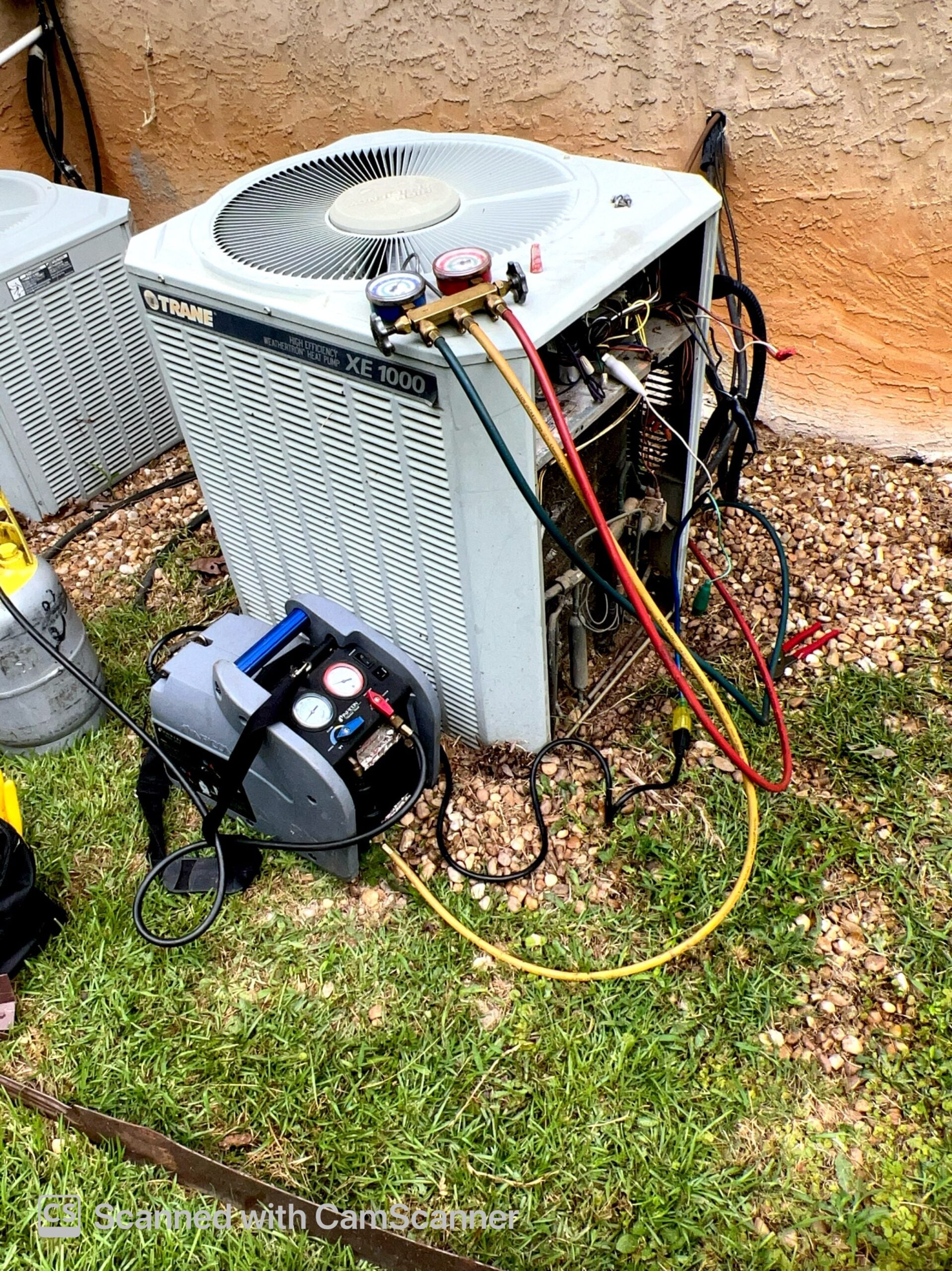
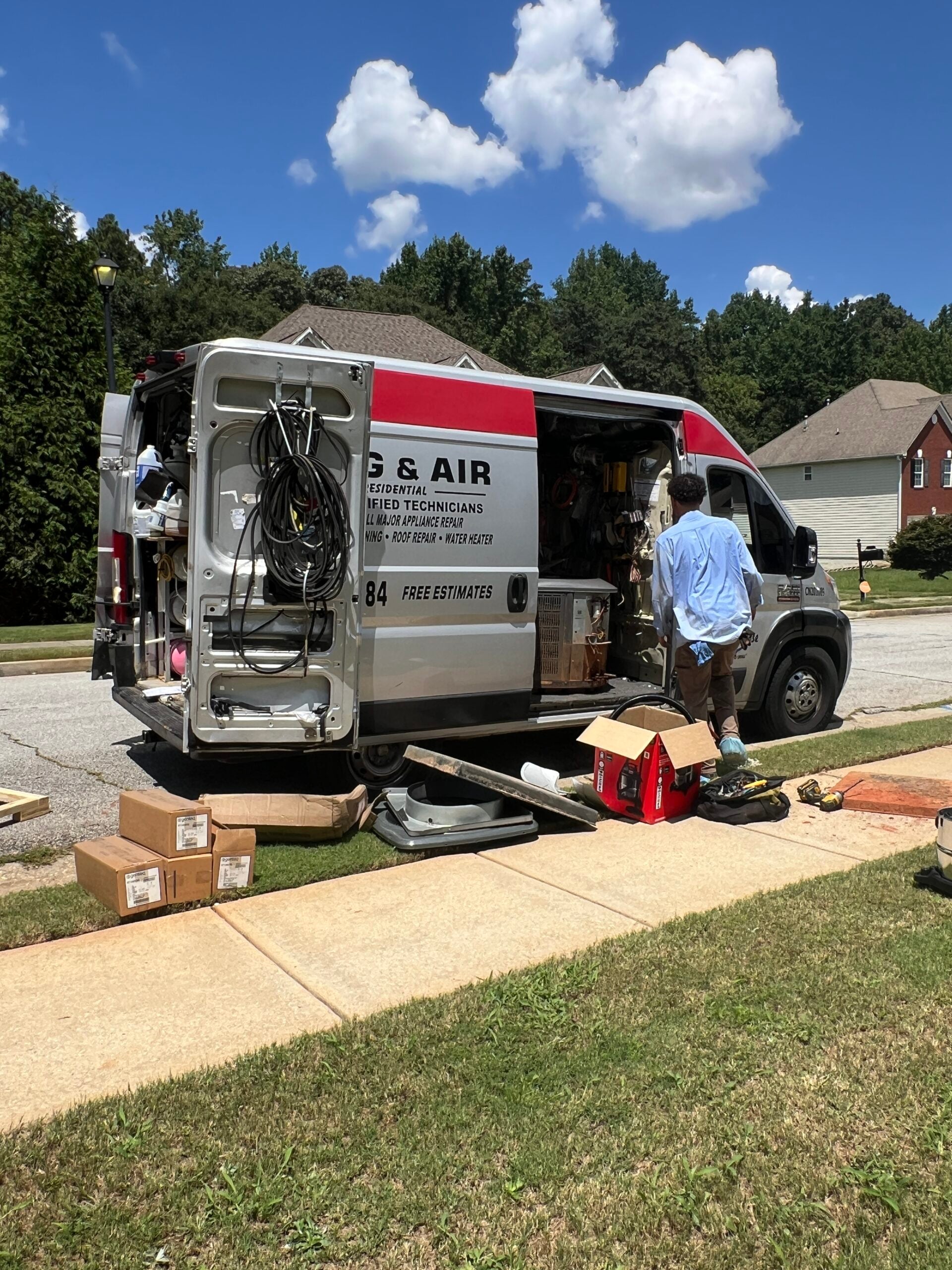
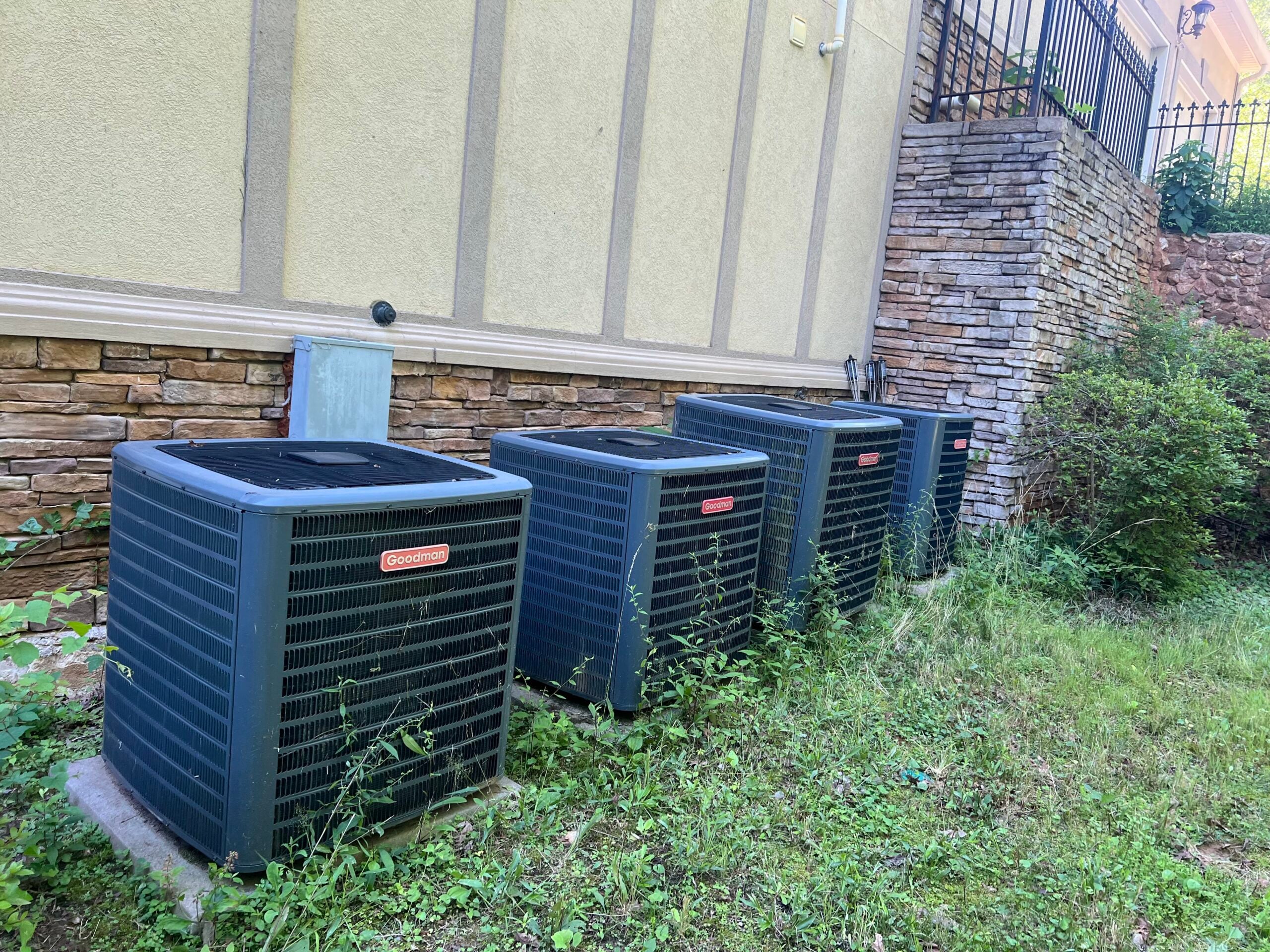
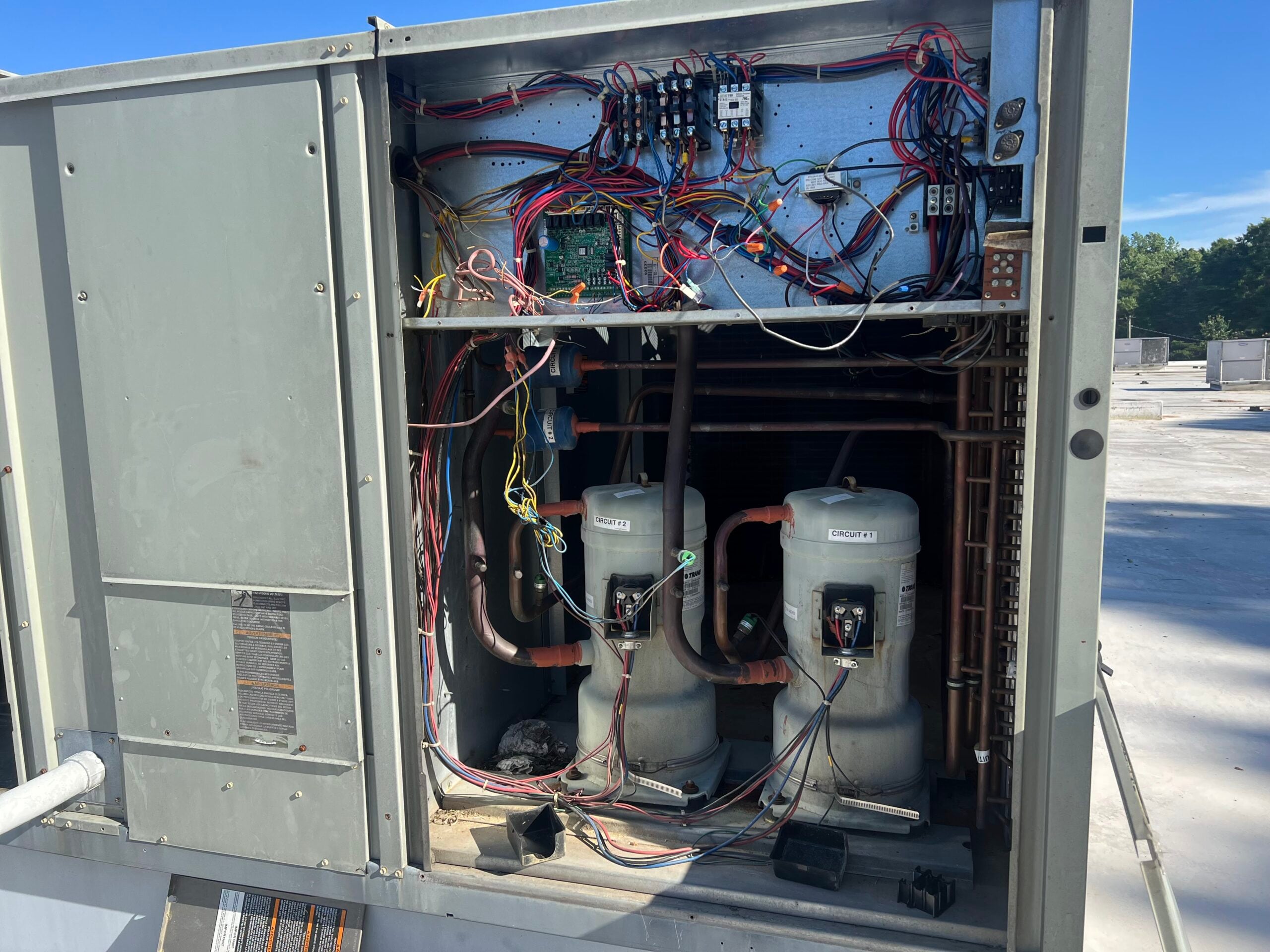
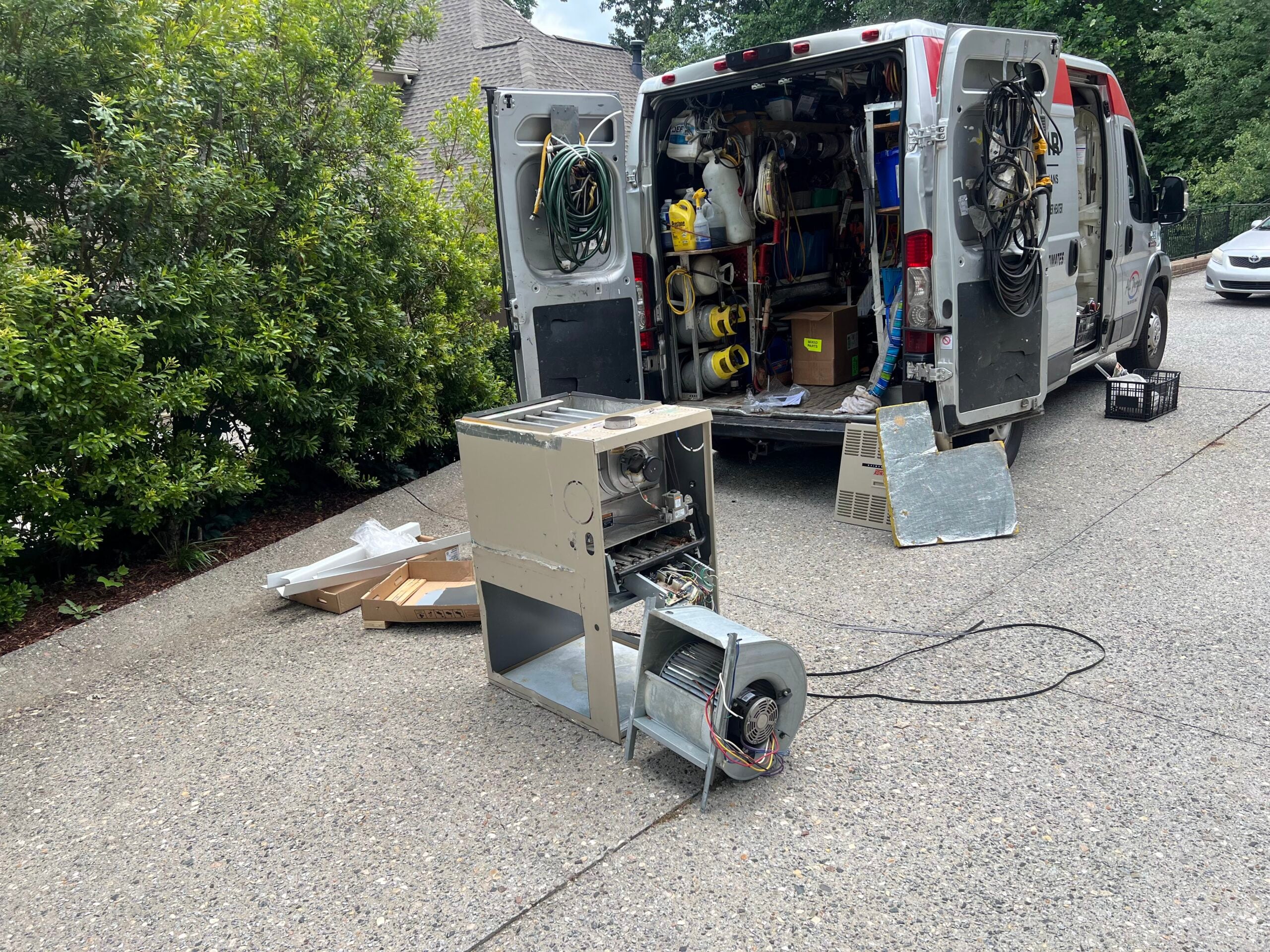
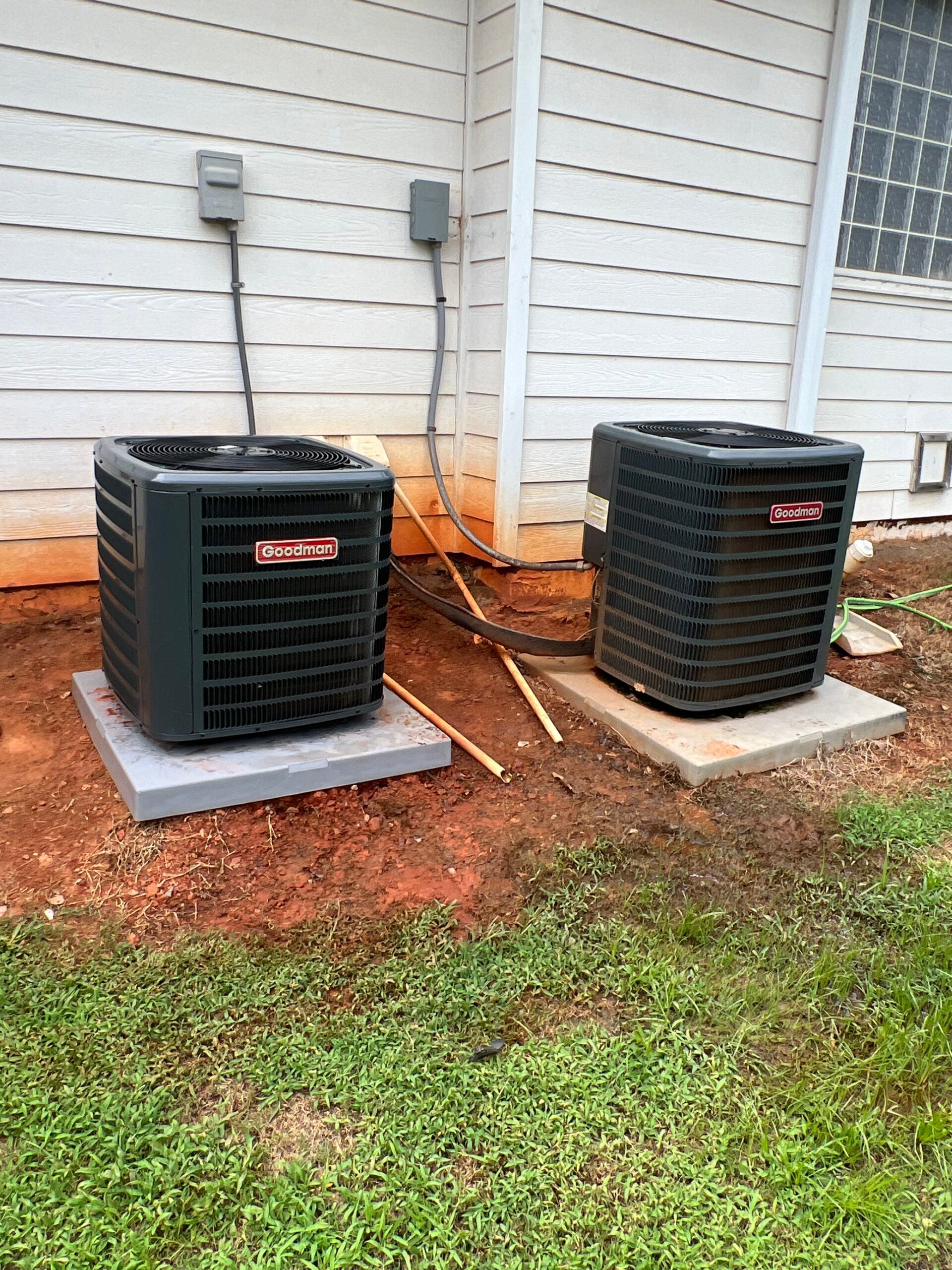
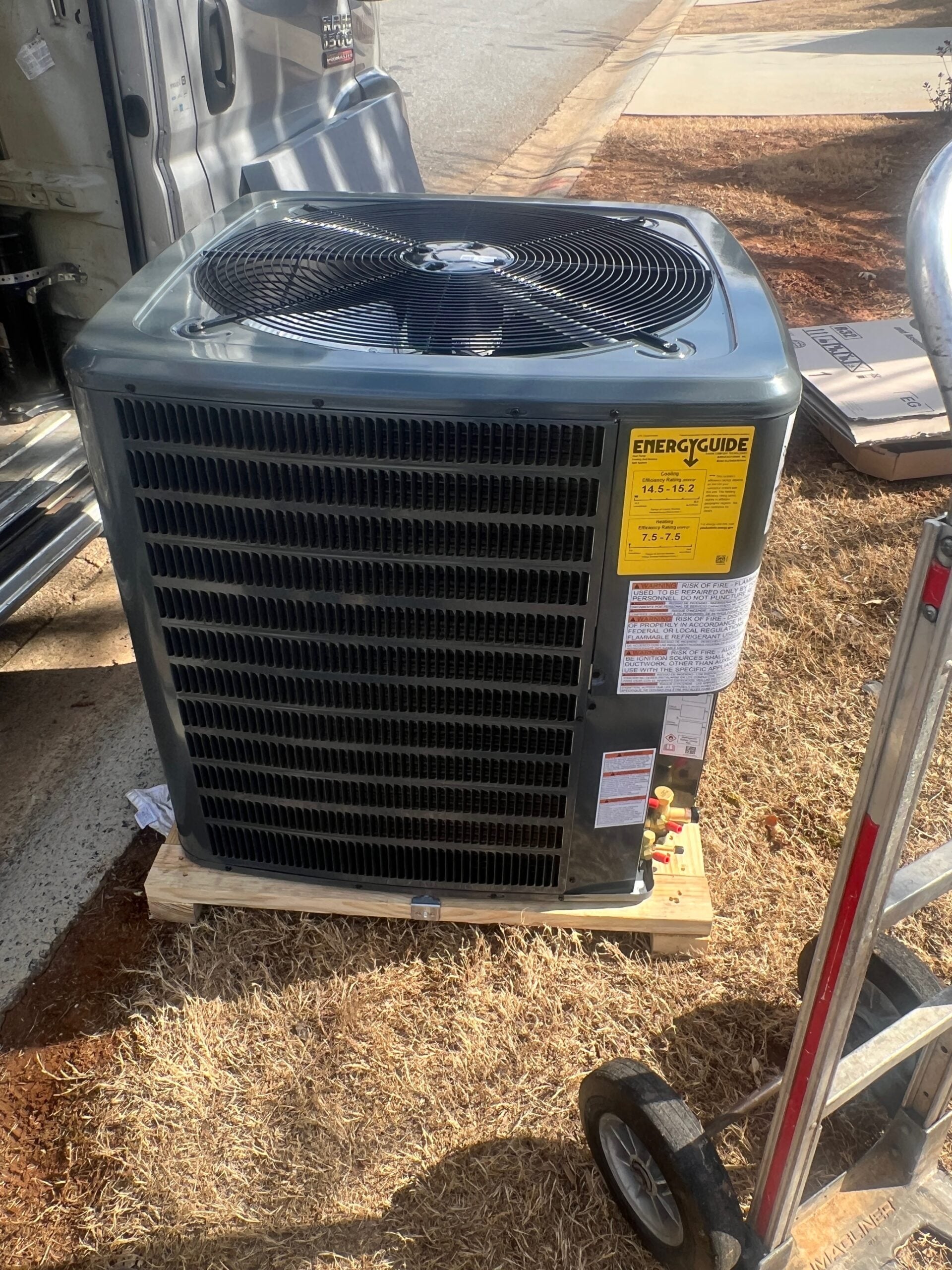

Duct problems do not stay contained to one part of town, and neither do we. We work throughout Rockdale County, from neighborhoods close to the Monastery of the Holy Spirit and Black Shoals Park out to properties along the county line where homes sit on larger lots and ductwork sometimes runs longer distances through unconditioned spaces. Every home is a little different, and we treat it that way.
If you want to understand everything we handle for Conyers homeowners on the heating and cooling side, our Conyers HVAC service page covers the full picture. For a closer look at the complete range of duct work we perform, including duct replacement, new duct design, and air balancing, our duct services page walks through each one.
Duct problems and cooling problems often go hand in hand. A system that is losing conditioned air through leaky ducts puts extra strain on the equipment itself. If your air conditioner has been struggling, it is worth looking at both the ducts and the unit. Our AC repair service in Conyers covers that side of things when you need it.
All Purpose Heating and Air Conditioning makes regular runs out to Conyers. Getting on the schedule is straightforward. Request your estimate and we will take it from there.
+