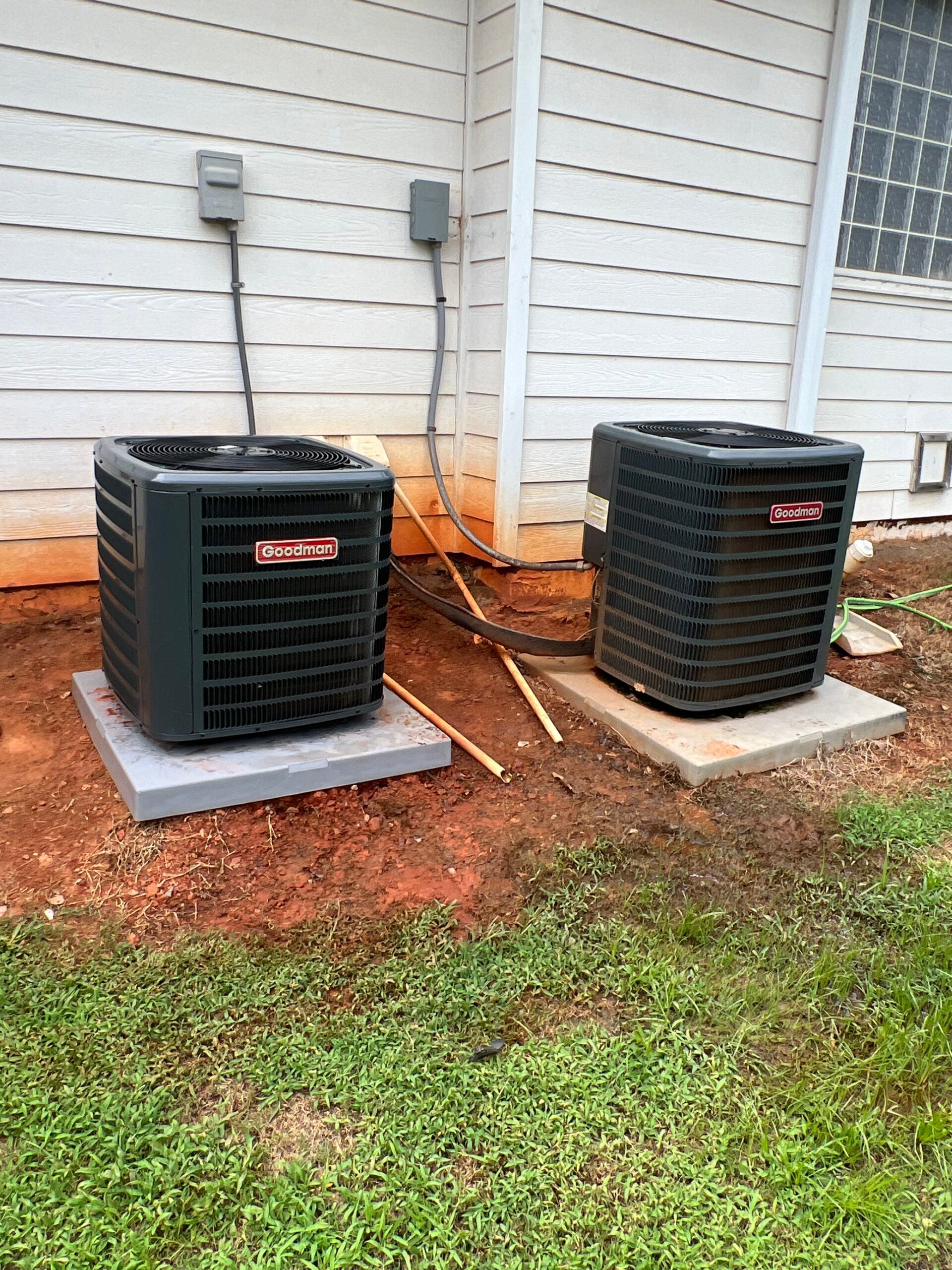
AC repair in Conyers, GA means diagnosing and fixing the specific fault keeping your cooling system from doing its job, whether that’s a refrigerant leak, a failed capacitor, a frozen coil, or something in the electrical circuit. A qualified technician identifies the root cause, repairs or replaces the failed component, and tests the full system before leaving your home.
Conyers sits about 30 minutes east of Atlanta on I-20, and the summers here feel every bit as long and humid as the rest of the metro. When temperatures stay in the 90s for weeks at a stretch and the humidity never really backs off, a central AC system runs hard. That kind of sustained load is exactly what pushes aging components toward failure.
The housing stock in Rockdale County covers a wide range. Older homes near Olde Town Conyers were built in an era when duct systems were sized differently and refrigerants have since changed over. Ranch and split-level homes from the 1970s through the 1990s, common throughout neighborhoods like Honey Creek and Lakeview Estates, often have equipment that has been patched along the way rather than fully updated. Newer construction along the Salem Road corridor tends to have more modern systems, but those units have their own failure points as they age past the first decade.
All Purpose Heating & Air Conditioning has been working on AC systems across this area for over 35 years. We know what breaks in this climate, and we give you a straight answer about what it will take to fix it.
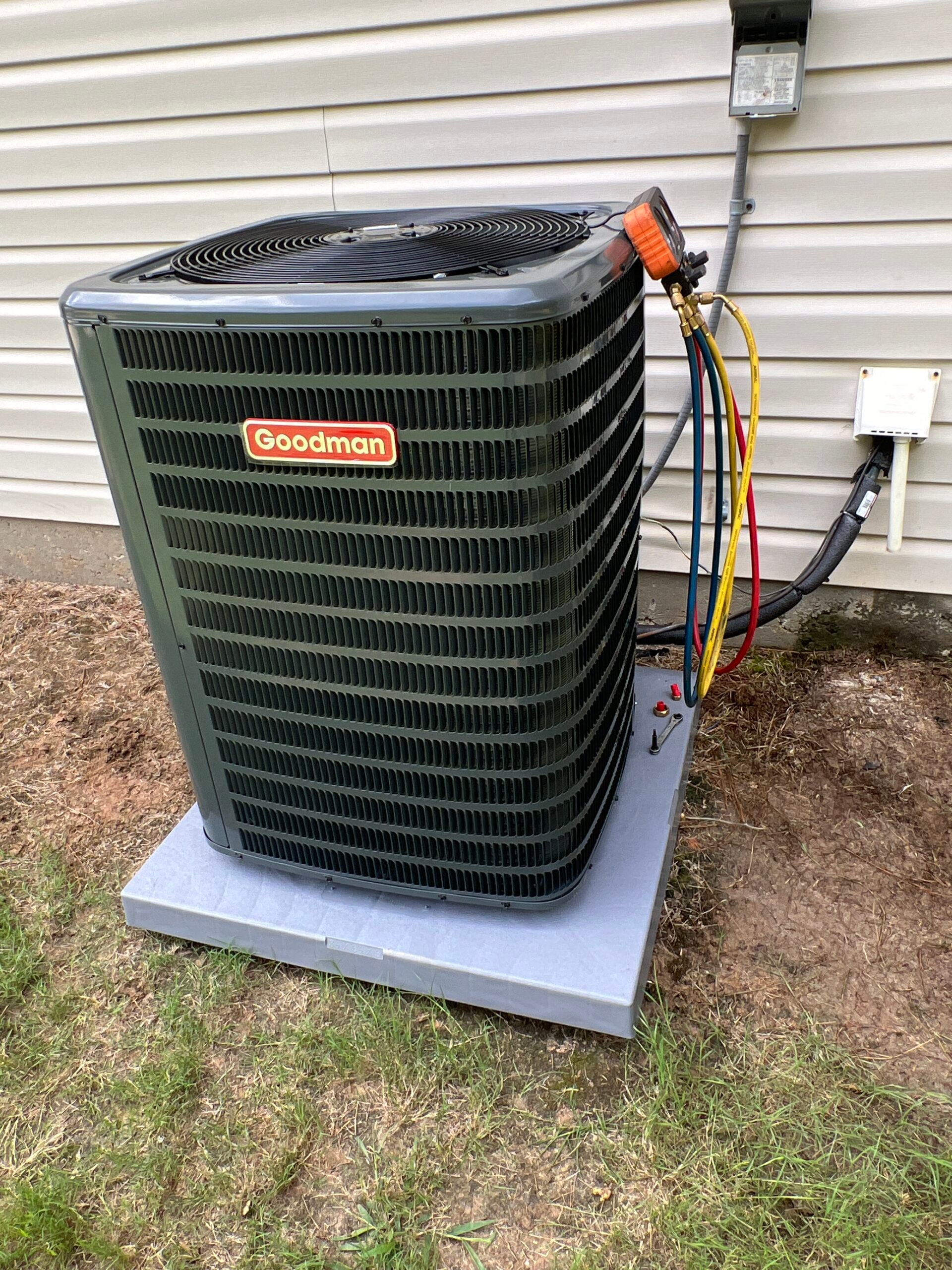
Some AC problems announce themselves loudly. Others show up as small changes you might explain away until the system stops working on the hottest afternoon of the year. Here is what to watch for.
Warm air from the vents. If the system is running but the air coming out feels the same temperature as the room, the refrigerant charge may be low, the compressor may be struggling, or the airflow is restricted. All of those need a technician, not a filter change.
Short cycling. A unit that kicks on, runs for a few minutes, and shuts off before the house cools down is working twice as hard for half the result. Short cycling stresses the compressor and usually points to an electrical fault, an oversized system, or a refrigerant issue.
Ice on the refrigerant line. A frozen line outside or on the indoor coil looks like the system is working too well. It is not. Restricted airflow or a low refrigerant charge can both cause ice to form, and running the system that way will damage the compressor.
Water around the indoor unit. The condensate line pulls humidity out of your home as the system runs. In Conyers summers, that line handles a heavy load. A clogged drain pan or blocked condensate line can overflow and damage the equipment, the ceiling, or the floor around the unit.
A breaker that trips when the AC starts. This is an electrical fault until proven otherwise. In older homes near Olde Town or in ranch-style builds where the panel has not been updated, a tripping breaker on AC startup can point to a failing capacitor, a compressor drawing too much current, or a wiring problem that should not be ignored.
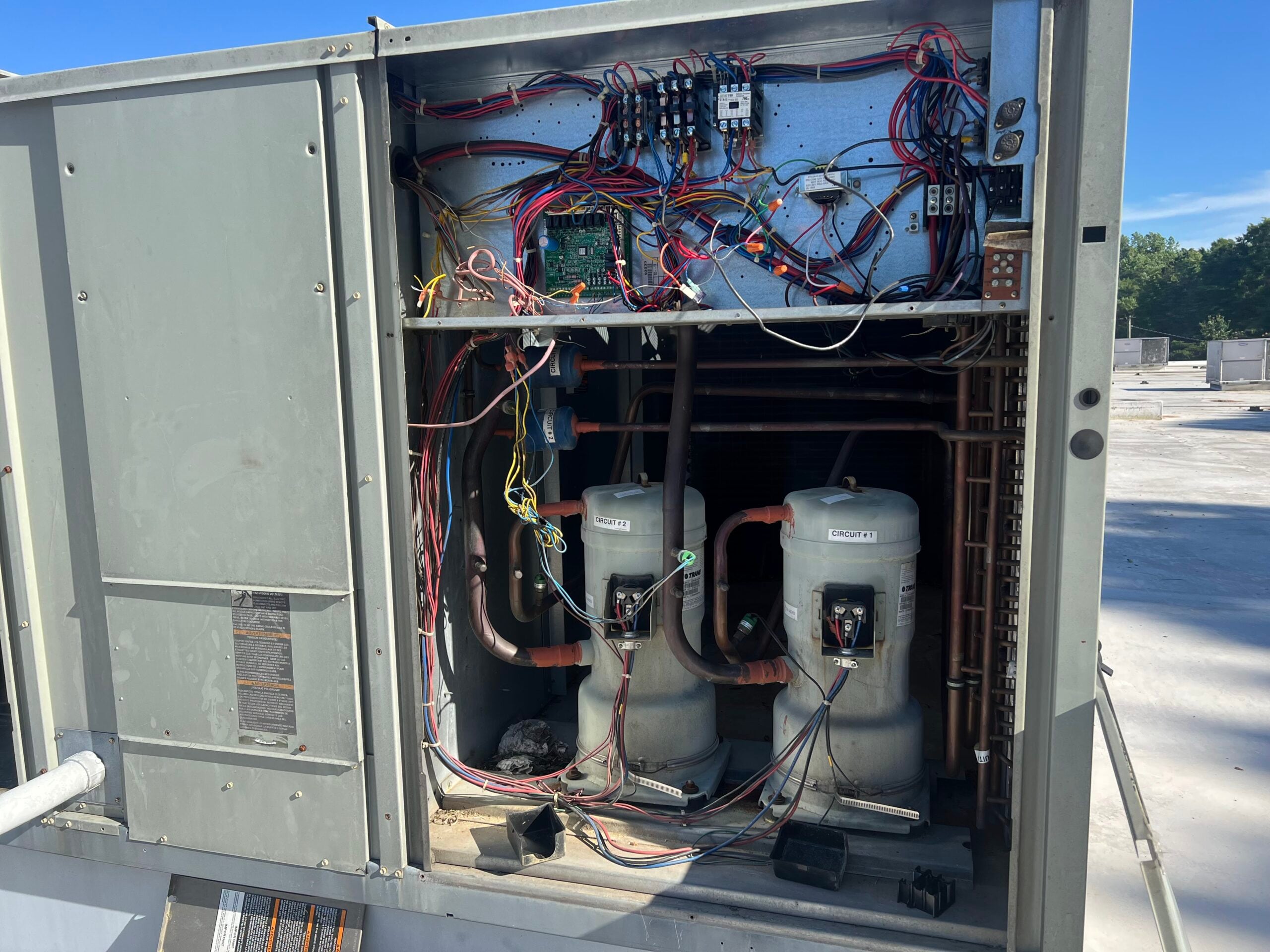
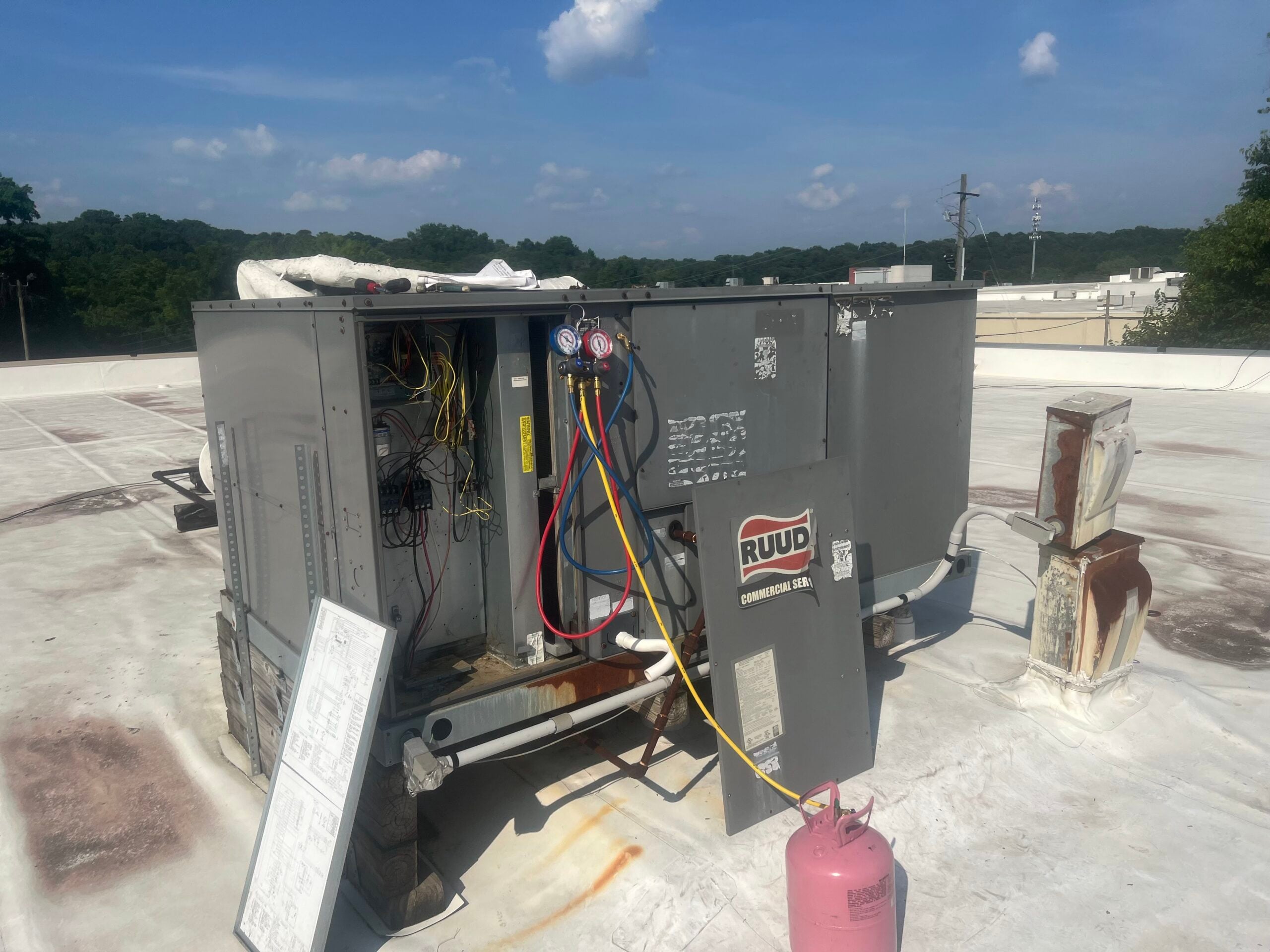
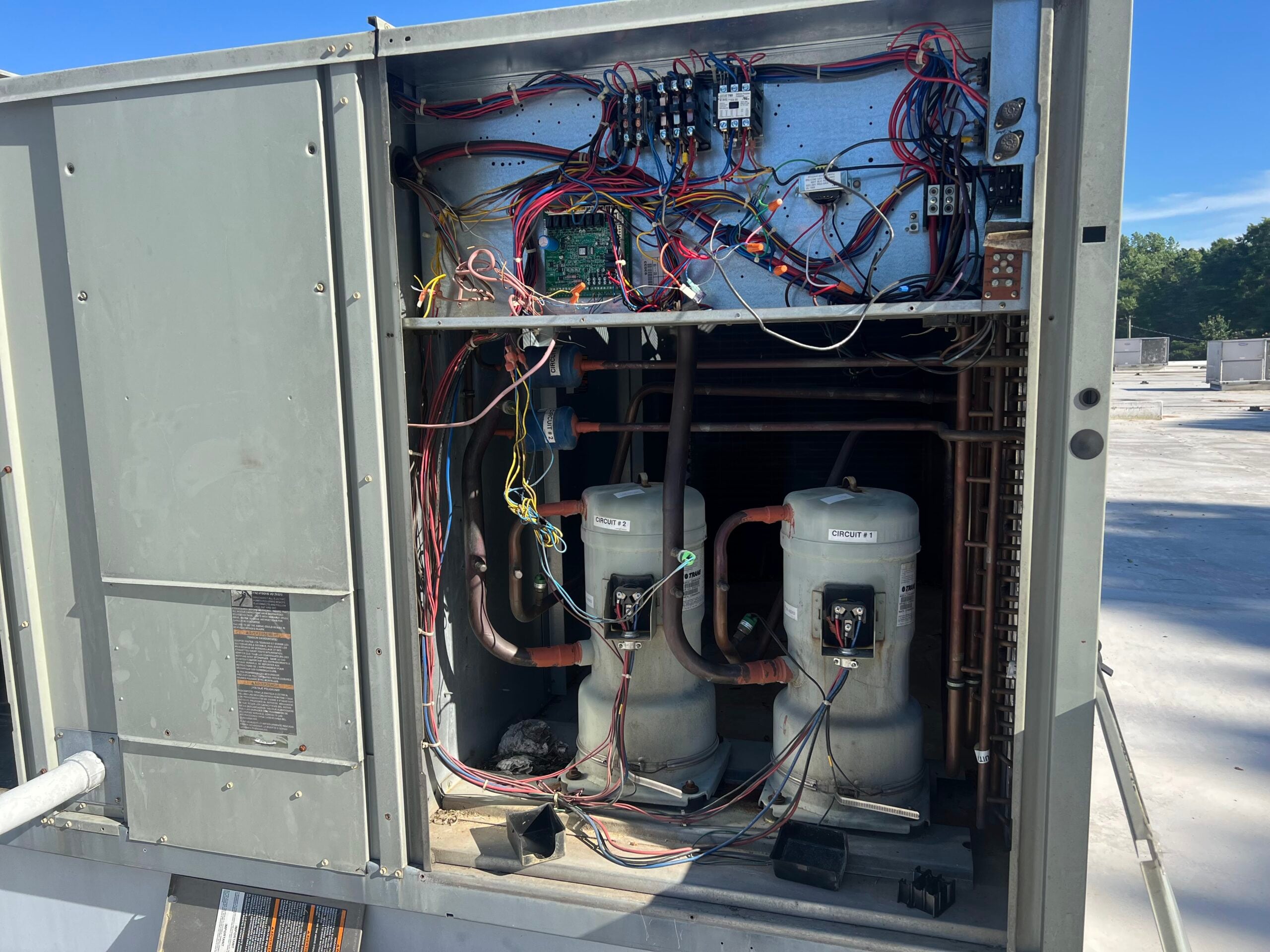
We start with a real diagnosis. That means checking the actual fault, not guessing at the most common cause and swapping a part to see what happens. A technician checks the refrigerant charge, tests capacitors and contactors, inspects the blower motor and evaporator coil, and looks at the condensate system. We trace the problem to its source before anything gets replaced.
Once we know what failed, we explain it to you in plain terms. If a capacitor burned out, we tell you that. If the refrigerant charge is low and there is a leak in the line set, we tell you where it is and what fixing it involves. You get a straight answer before any repair work begins.
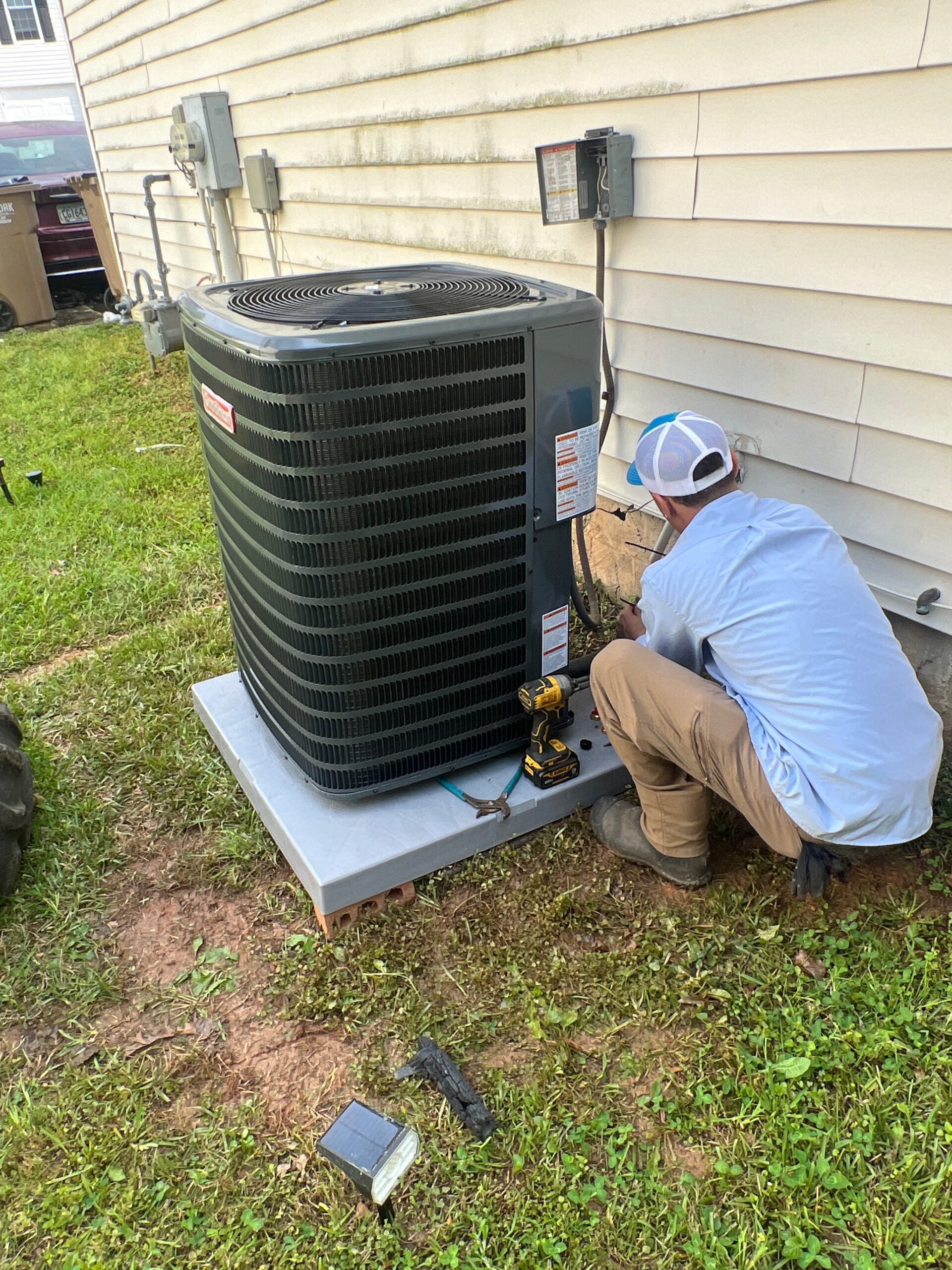
The actual repair depends on what we find. A failed capacitor or contactor is a straightforward part replacement. A refrigerant recharge involves identifying the leak, repairing it, and recharging to the correct specification for your system. Older systems may use refrigerants that are less available now, which affects both the repair process and the timeline. After any repair, we run the full cooling cycle to confirm the system is operating correctly before we leave.
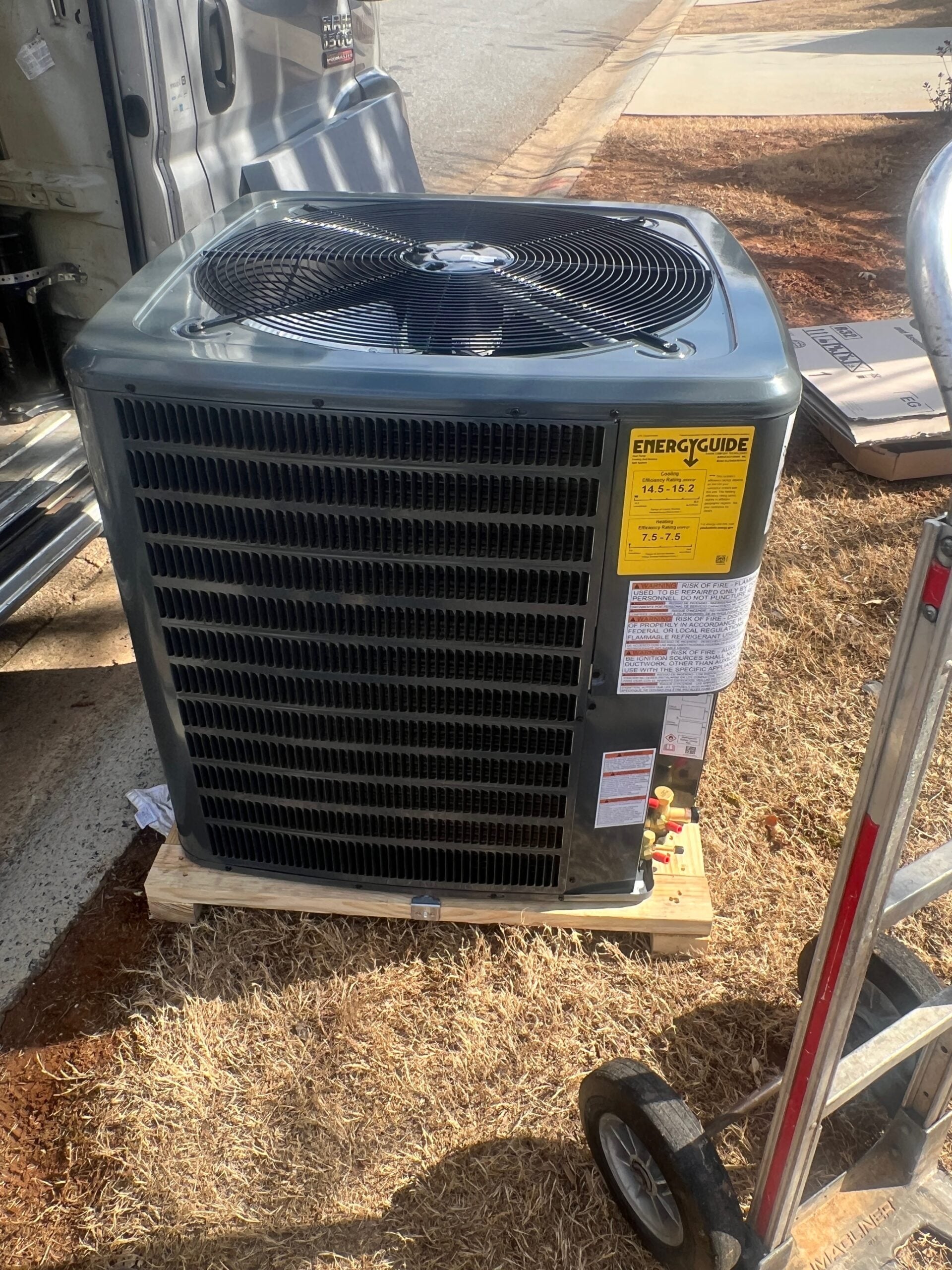
What drives the cost of an AC repair comes down to a few things: the specific component that failed, the refrigerant type and how much charge the system needs, how accessible the unit and line set are, and the age of the equipment. An older system with a major component failure may reach a point where repair cost and replacement cost are close enough that the answer is not obvious. We give you that honest comparison so you can make the right call. Request your estimate to get a real number for your situation.

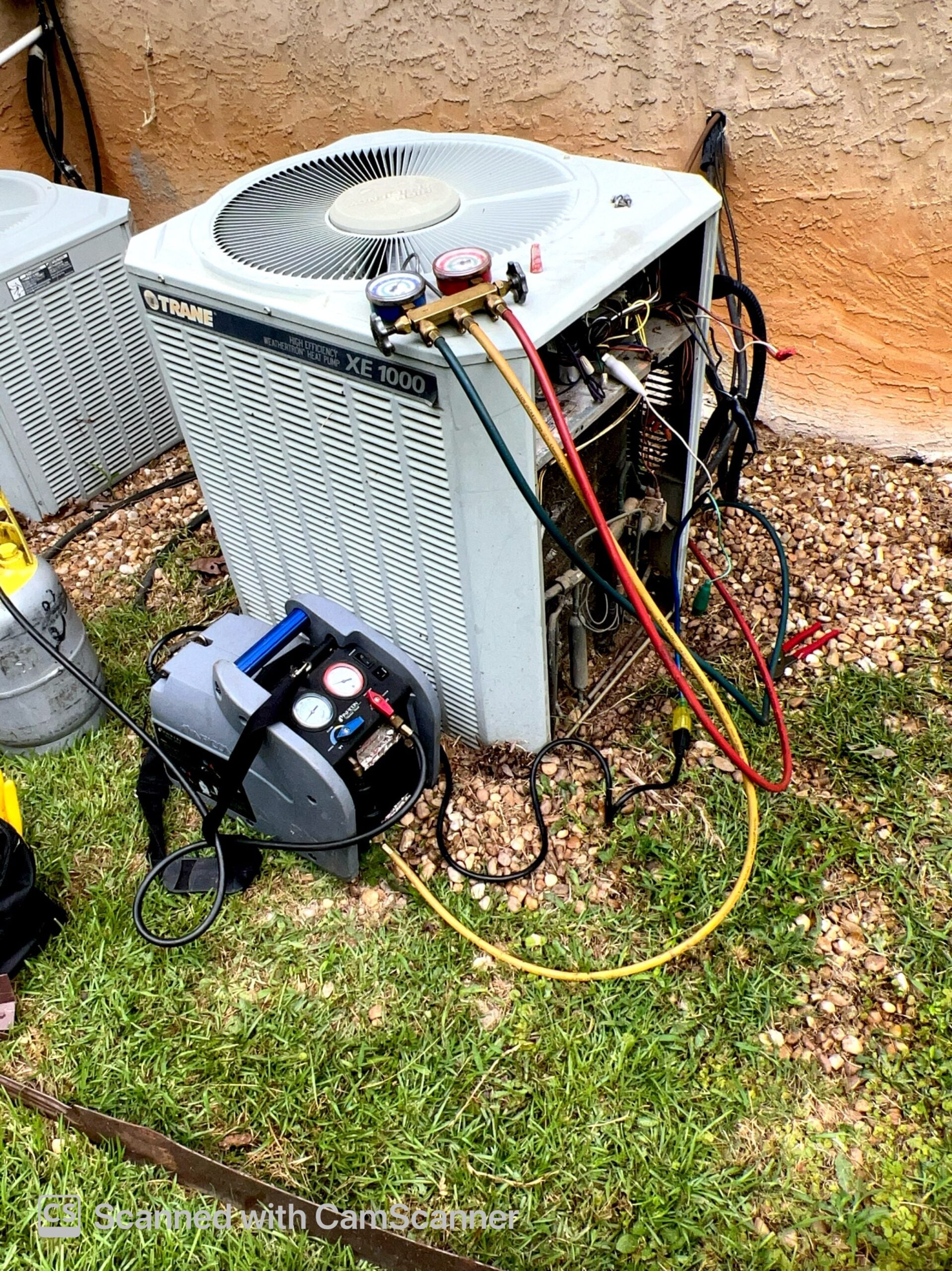
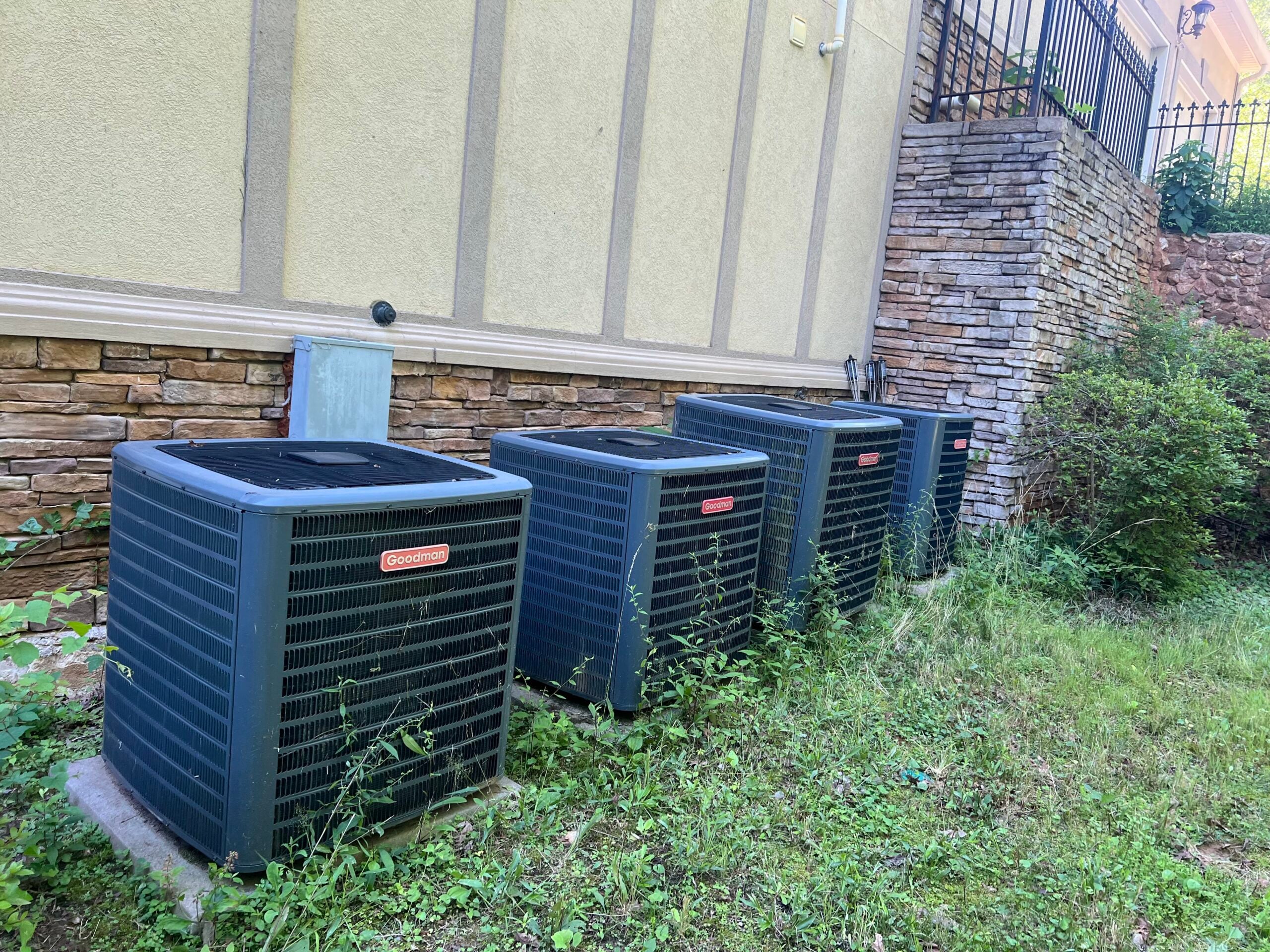

If you want to understand the full range of heating and cooling work we do in Rockdale County, our HVAC services page for Conyers covers everything from new system installations to seasonal maintenance and what to expect when you call us out.
For homeowners researching what AC repair actually involves before picking up the phone, our AC repair service page walks through the most common failure points, what the diagnostic process looks like, and how we decide whether a repair makes sense for a given system.
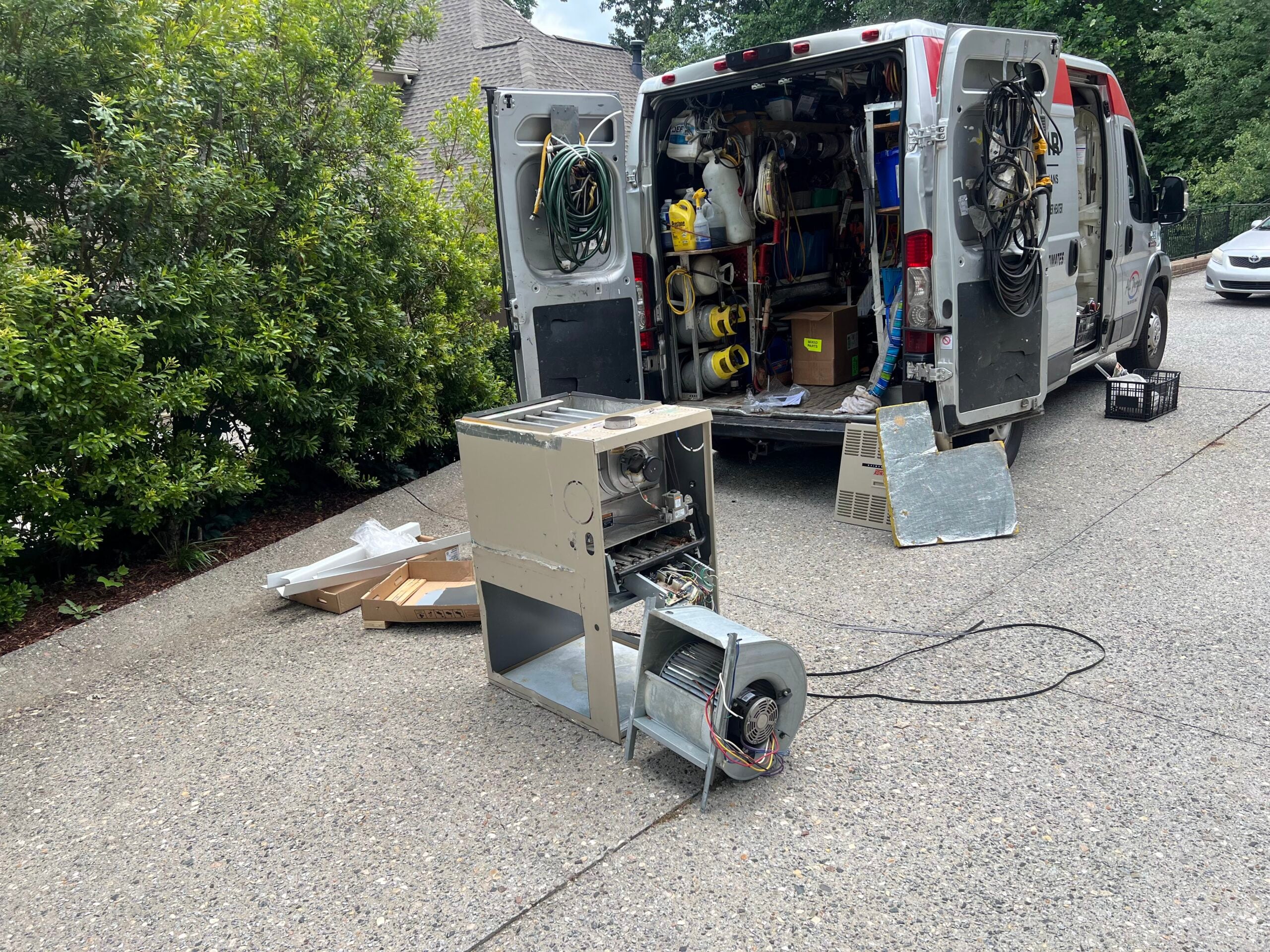
Cooling gets most of the attention during a Georgia summer, but the heating side of your system matters too. Winters in this part of the state can surprise you. The east side of the metro, including Rockdale County, tends to catch ice storms harder than areas closer to the city, and a furnace that has not been serviced in a few years may not be ready for a sudden hard freeze. If your heating system needs attention before the season turns, our furnace repair page for Conyers covers what to watch for and how we handle that work.
Whether the issue is cooling, heating, or something that crosses both, All Purpose Heating & Air Conditioning runs crews to Conyers regularly. Give us a call or request your estimate and we will get on the schedule.
+