Furnace repair is the process of diagnosing and fixing a heating system that has stopped working correctly, whether that means no heat at all, unsafe combustion, or a unit that keeps shutting itself off. For homeowners across Metro Atlanta, a furnace problem in January or February is not a minor inconvenience. It is a situation that needs a real answer, fast.
All Purpose Heating & Air Conditioning has been locally owned and operating in the Atlanta area for more than 35 years. We are licensed and insured, and we work on both residential and commercial properties. When a furnace call comes in, we send a technician who has seen the problem before and knows how to trace it to the source.
Georgia winters are mild by northern standards, but they are not gentle. A stretch of nights in the low twenties or thirties will push an aging furnace past whatever it has been hiding all fall. That is usually when homeowners discover a cracked heat exchanger, a failing gas valve, or an ignitor that has finally given out. The symptoms were there. The cold just made them impossible to ignore.
If your furnace is not doing its job, the right move is a proper diagnosis before anything else. We will tell you exactly what we find and give you a clear estimate before any repair work begins.
Some furnace problems announce themselves loudly. Others creep up slowly until one cold morning the house just never gets warm. Here are the specific signs that tell you it is time to call a technician.
None of these symptoms get better on their own. The longer a furnace runs in a compromised state, the more likely a minor repair becomes a major one.
When an All Purpose technician arrives at your home, the job follows a specific sequence. We do not guess and we do not replace parts hoping for the best. Every step has a purpose.
Diagnosis first. We start at the thermostat and work through the system. We check for error codes, inspect the filter and airflow, and confirm the electrical supply to the unit. This tells us where to look before we open anything up.
Ignition system and flame sensor. The ignitor and flame sensor are two of the most common failure points on a gas furnace. We test the ignitor for proper resistance and inspect the flame sensor for carbon buildup. A sensor that cannot read the flame correctly will shut the gas valve every time, even if the burner lights perfectly. We clean or replace as needed.
Gas valve and safety controls. We test the gas valve for correct operation and check the pressure switches and limit switches that protect the system from overheating or unsafe conditions. A limit switch that trips repeatedly is telling you something else is wrong, and we find out what.
Repair or part replacement. Once we know what has failed, we explain it to you plainly and give you an estimate. If you approve the work, we complete the repair with the correct part for your unit. We do not install generic substitutes on components where the spec matters.
Combustion and carbon monoxide safety check. Before we leave, we verify the heat exchanger is intact, confirm the flue is venting properly, and check for carbon monoxide at the unit. A furnace that runs but vents poorly is more dangerous than one that does not run at all. We do not skip this step.
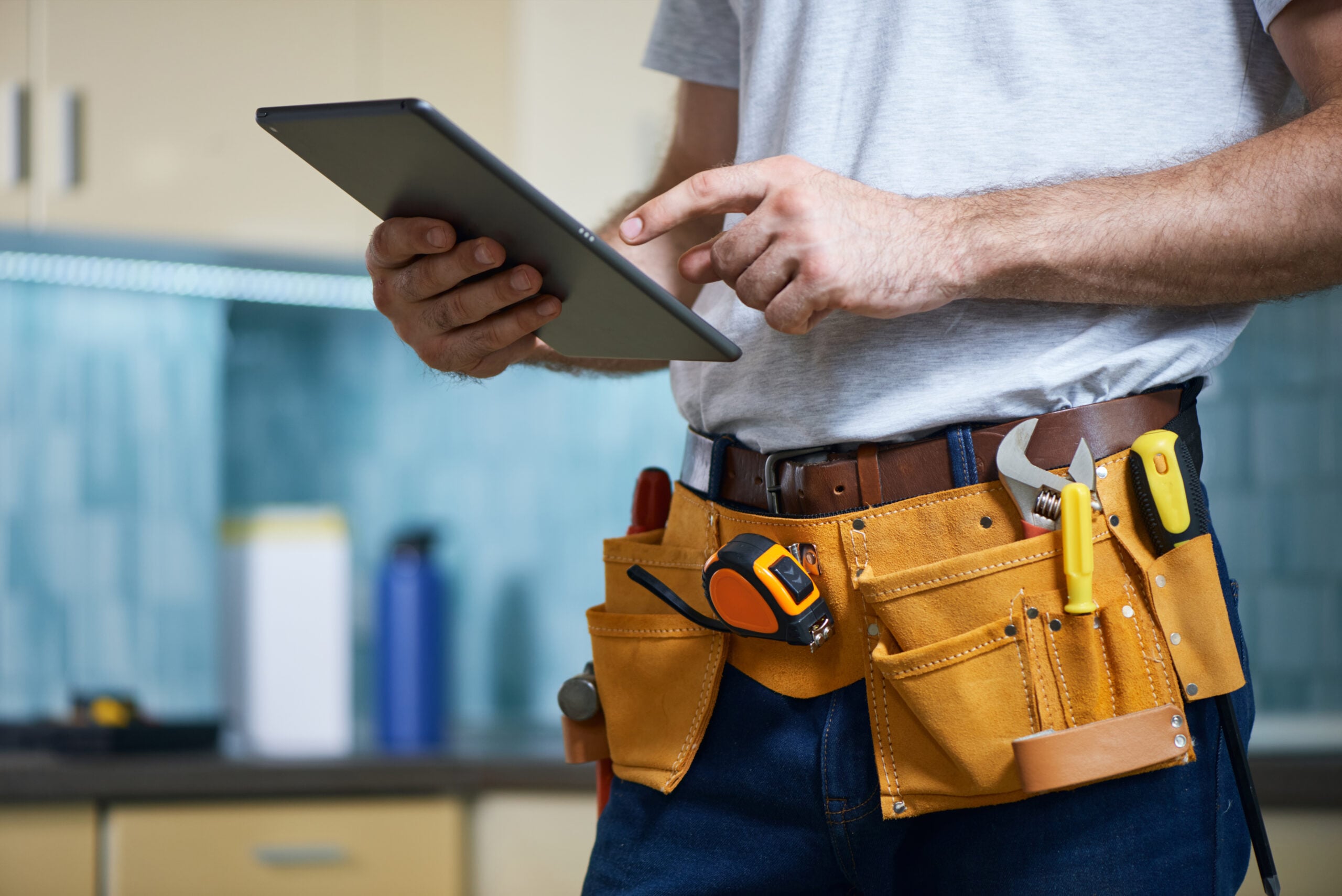
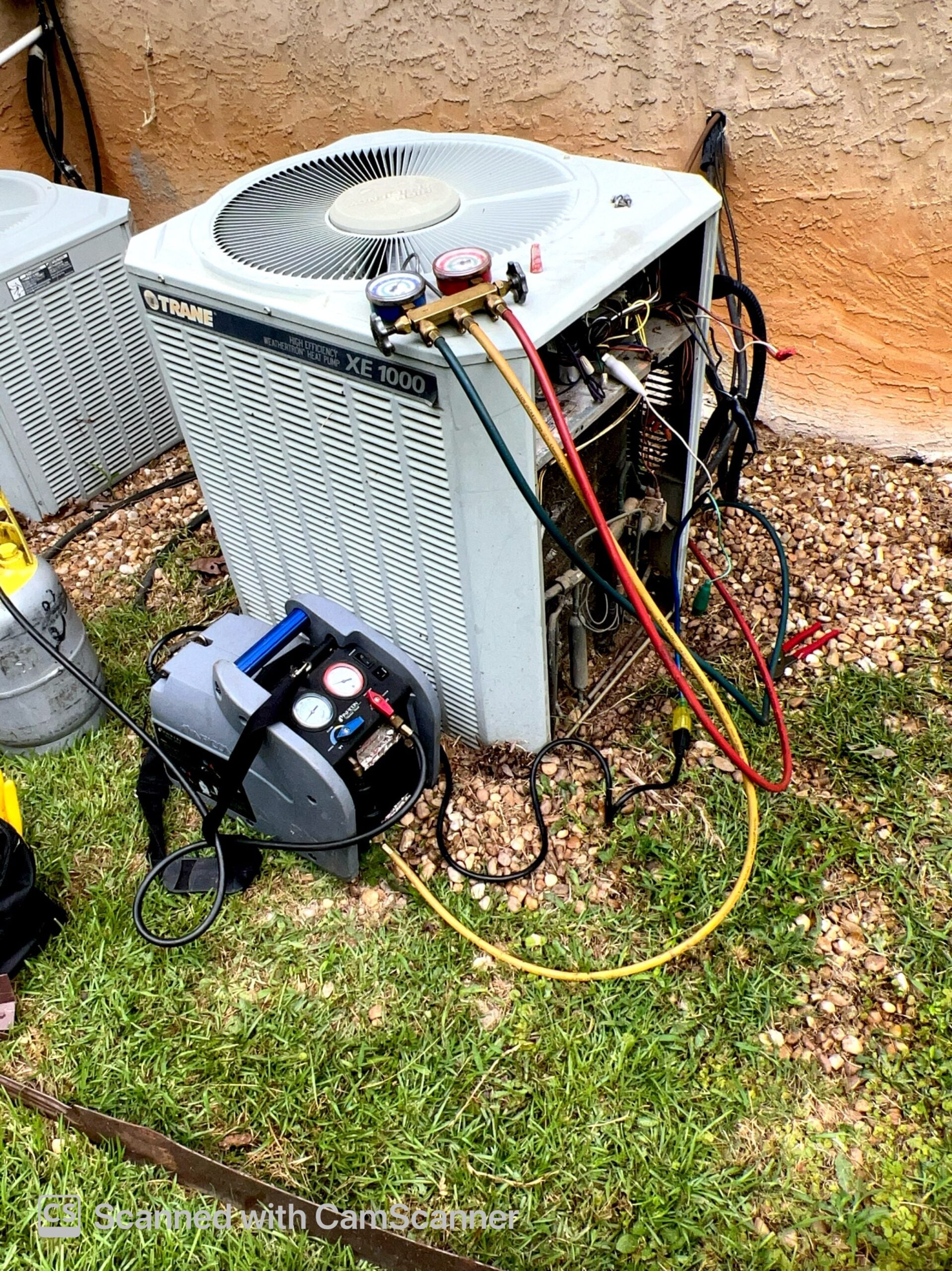
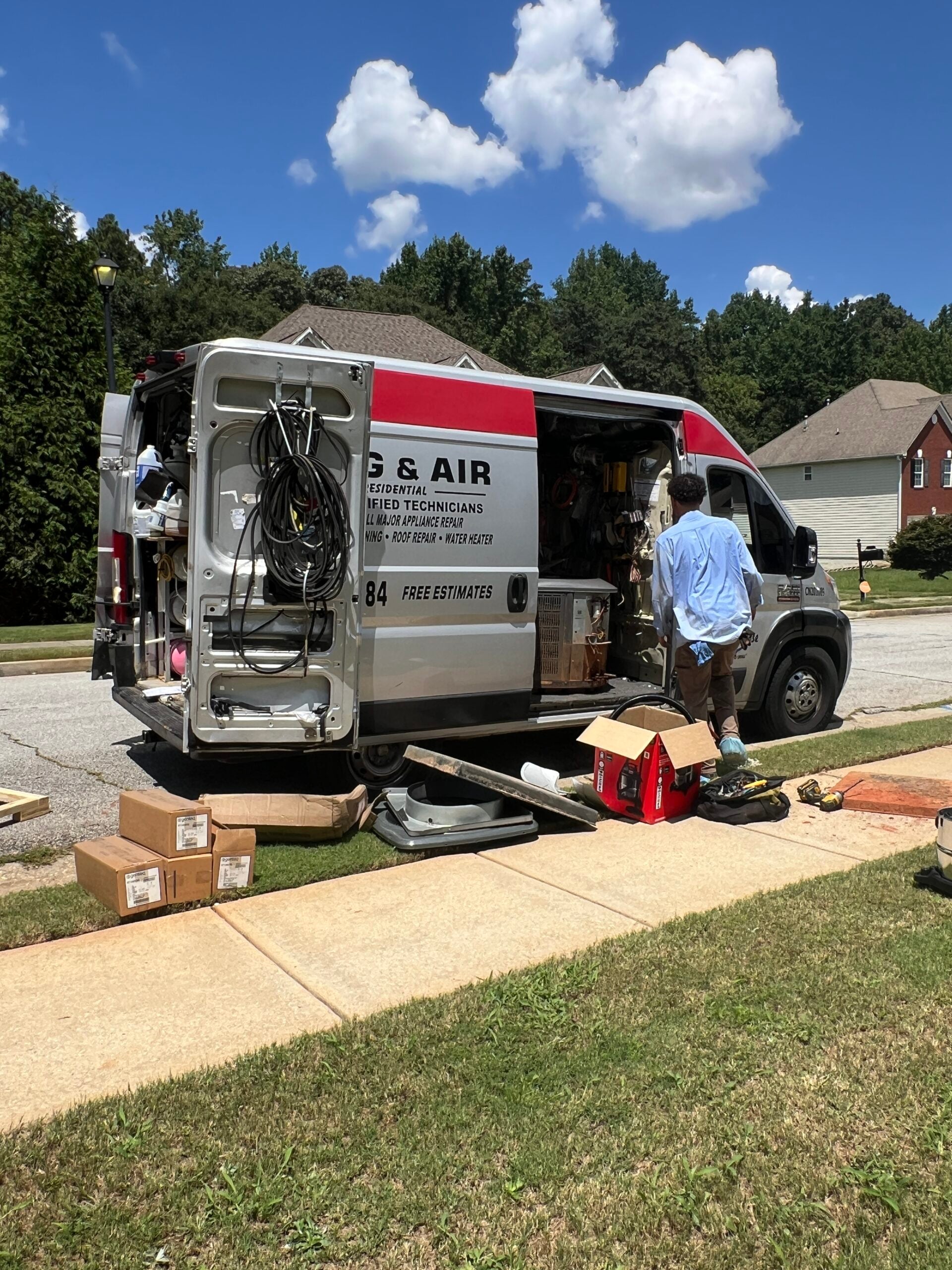
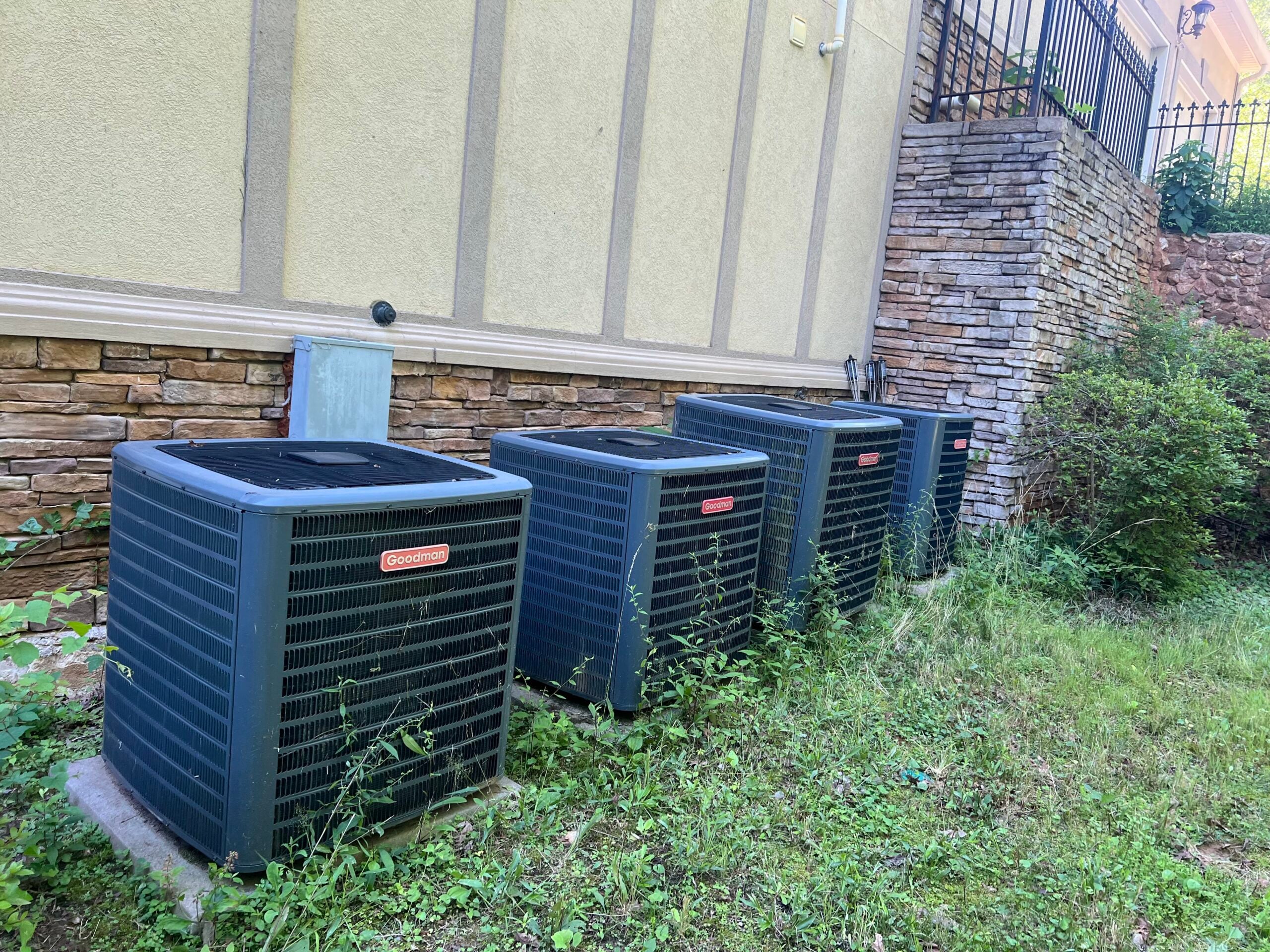
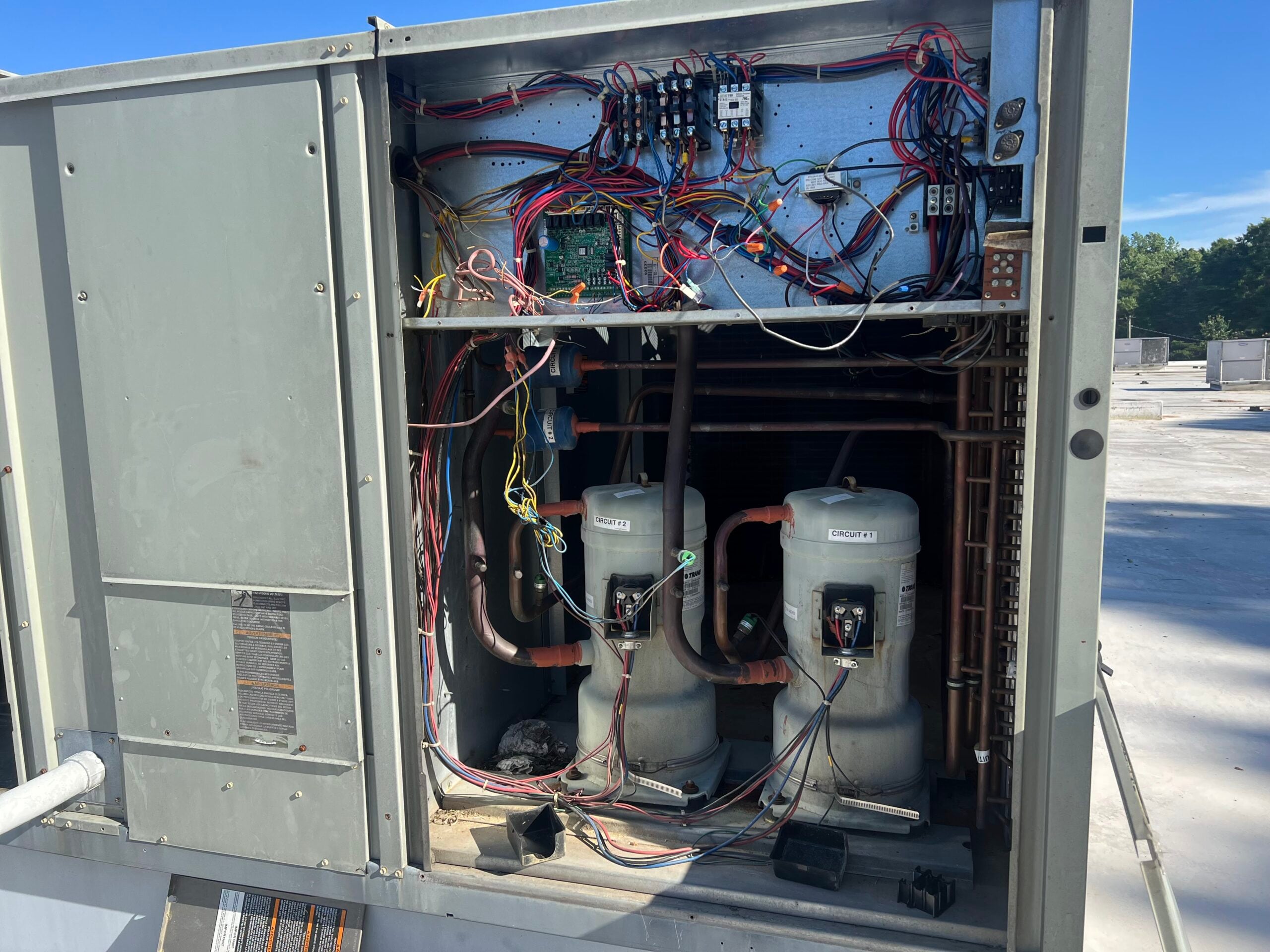
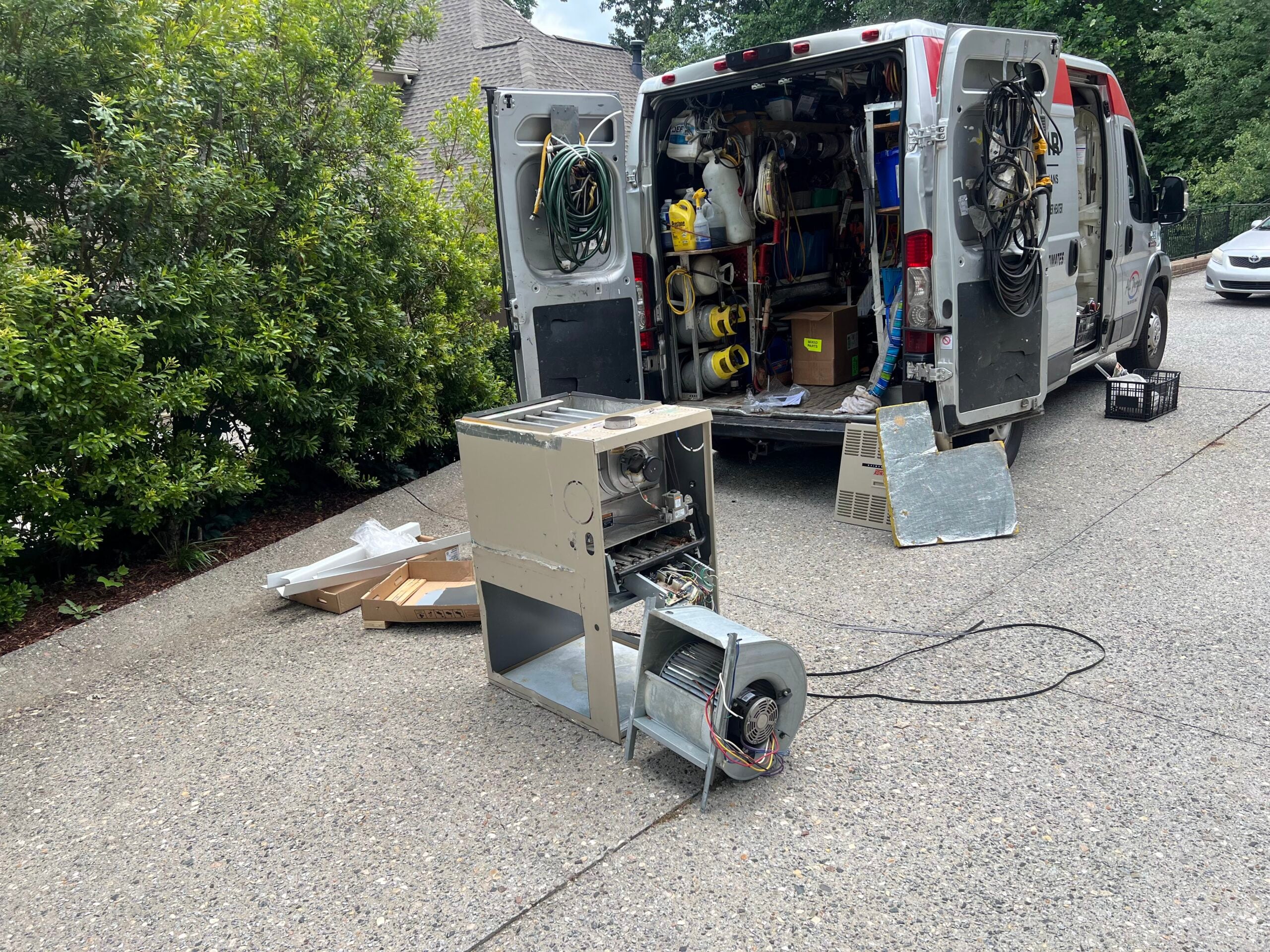
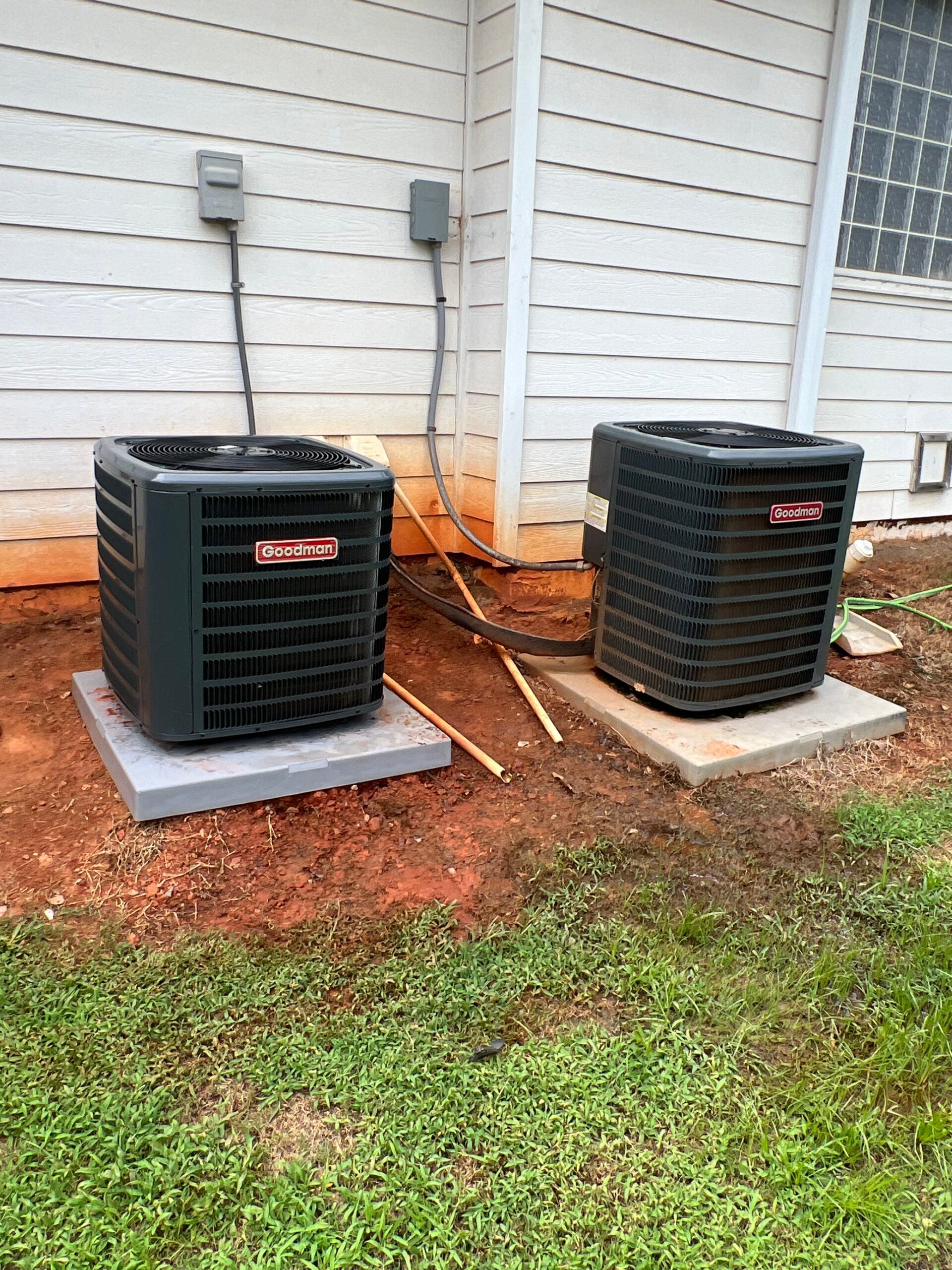
All Purpose Heating & Air Conditioning serves homeowners throughout the Metro Atlanta region, including communities like Alpharetta, Conyers, Peachtree City, Newnan, and McDonough. If you are within our service area, we can get a technician to your home.
What a furnace repair costs and how long it takes depends on a few real factors. The failed component matters most. Cleaning a flame sensor is a straightforward job. Replacing a gas valve or a heat exchanger is a more involved one. Furnace type and age also play a role. An older atmospheric furnace and a newer two-stage variable-speed unit do not share the same parts or the same labor process. Accessibility is a factor too. A furnace in a finished basement with clear access is a different job than one tucked into a tight crawlspace or attic.
The only honest way to get a real number is to have a technician look at the system. We provide an estimate before any repair work begins, so you know what you are agreeing to.
If the diagnosis points to a cooling problem rather than a heating one, our team handles that too. You can read about our air conditioning repair services or, if the system is at the end of its useful life, learn more about AC installation and system replacement as an option.
Whatever the system needs, the next step is the same. Request your estimate and we will get a technician scheduled for your home.
+