Heat pump repair in Metro Atlanta means diagnosing a system that runs year-round in Georgia’s climate, handling both summer cooling and winter heating without a break. When something goes wrong, you need a technician who knows exactly what to look for and can tell you honestly whether a repair makes sense or a replacement is the smarter call.
Georgia winters are mild enough that most homeowners lean on their heat pumps straight through without giving them much thought. That works fine until it doesn’t. A heat pump that’s struggling in February isn’t just uncomfortable, it’s running up your electric bill while it falls further behind. Getting the right diagnosis early is what separates a straightforward fix from a system that fails completely on the coldest night of the year.
All Purpose Heating & Air Conditioning has been locally owned and operated in Atlanta for more than 35 years. We handle heat pump repair and full system installations for homeowners across our service area, and we’re licensed and insured to do the work right. We don’t hand you a quote and disappear. We walk you through what we found, what it means, and what your options are.
If your system is acting up, give us a call or request your estimate and we’ll get a technician out to take a look.
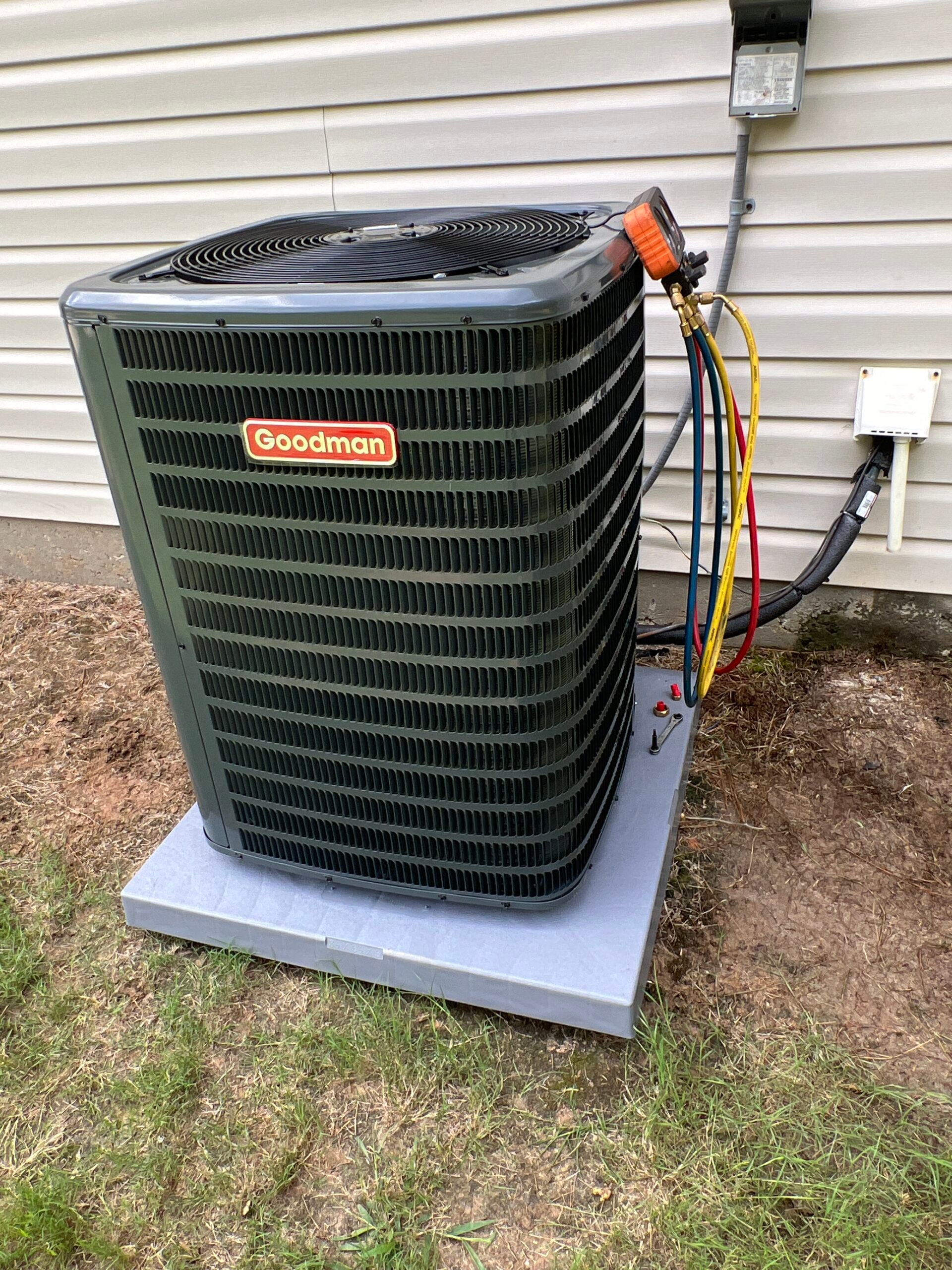
Heat pumps are good at masking problems until those problems become expensive. Knowing what to watch for gives you a chance to act before a repair turns into a replacement.
The system blows cool air in heating mode. This is the one homeowners notice first. You walk past a vent and the air coming out feels lukewarm or flat-out cold. In most cases this points to a reversing valve that’s stuck or failing. The reversing valve is what tells the system to switch from cooling to heating mode. When it sticks, the heat pump keeps running but can’t do its job. Left alone, the compressor works harder trying to compensate, and compressor repairs are not cheap.
The outdoor unit is covered in ice. Some frost on the coil during a cold morning is normal. A unit that’s frozen solid, or that stays iced over for hours, is not. That usually means a defrost control board problem, low refrigerant, or a faulty outdoor fan motor. Ice buildup restricts airflow and puts stress on the compressor every minute it runs.
Auxiliary heat runs constantly. Your heat pump has a backup heating element that kicks in during very cold snaps. If your system is leaning on auxiliary heat all the time, even when temperatures are mild, the heat pump itself isn’t carrying its load. Your electric bill will show it. This is a warning sign, not a quirk to ignore.
The system is past its expected service life. Industry guidance generally puts heat pump lifespan in the range of 10 to 15 years, though this varies with maintenance and usage. If your unit is approaching or past that window and you’re looking at a significant repair, replacement often makes more financial sense than putting money into an aging system.
Every heat pump call starts the same way: we find out what’s actually happening before we recommend anything. Here’s how that process goes from the first visit to a system that’s running the way it should.
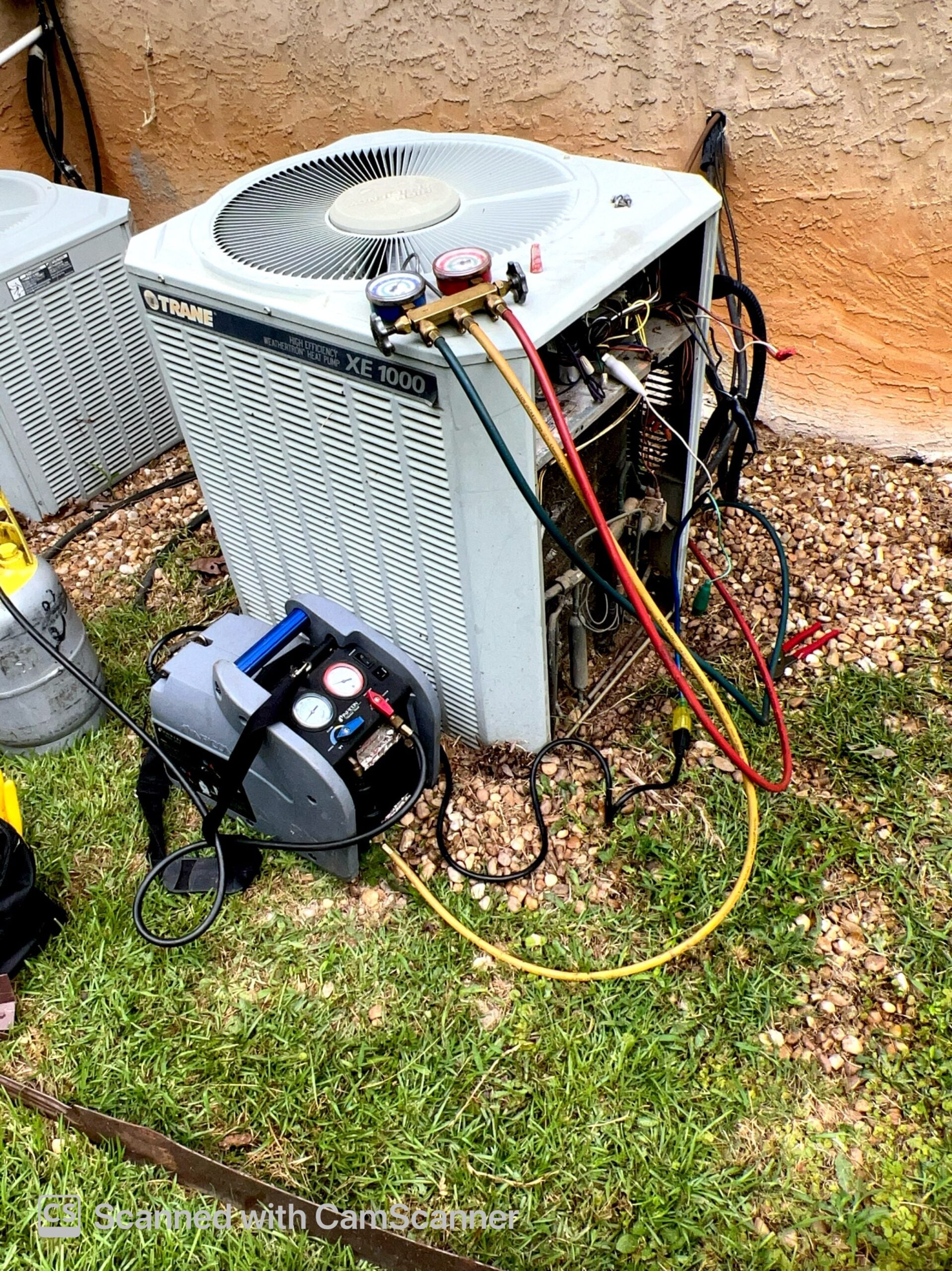
Diagnosis or sizing. For a repair call, we start with a full system check. We measure refrigerant pressure, test the capacitors, check the contactor, and pull fault codes if the thermostat or control board stores them. For a replacement or new installation, we size the system to the home, accounting for square footage, insulation, duct condition, and window exposure. An oversized heat pump short-cycles. An undersized one never catches up. Neither is acceptable.
Reversing valve and defrost checks. These two components cause a disproportionate share of heat pump problems in Georgia. We test the reversing valve solenoid and watch the defrost cycle run. If the defrost board isn’t triggering the cycle correctly, the outdoor coil ices over and efficiency drops fast.
Repair or full replacement. Once we have a clear picture, we give you a straight estimate for the repair. If the system is older or the repair cost approaches what a new system would run, we’ll tell you that plainly and walk you through the replacement option. No pressure either way.
Refrigerant and electrical. If refrigerant is low, we find and fix the leak before we recharge the system. We also check wiring connections, capacitor readings, and the blower motor, because one failing component often puts stress on others nearby.
Startup and testing. After any repair or installation, we run the system through both heating and cooling modes, verify airflow at the registers, and confirm the thermostat is communicating correctly before we leave.

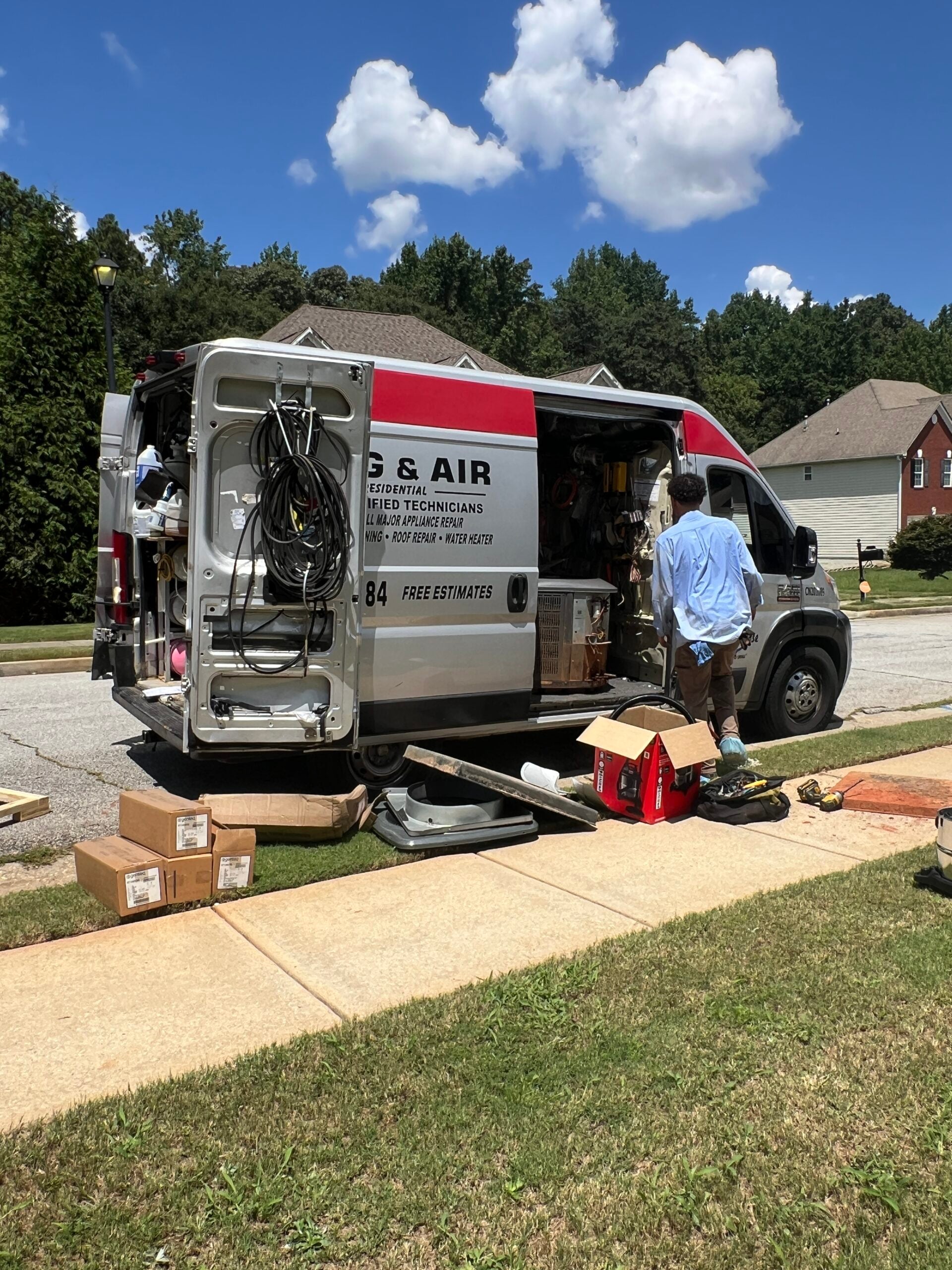
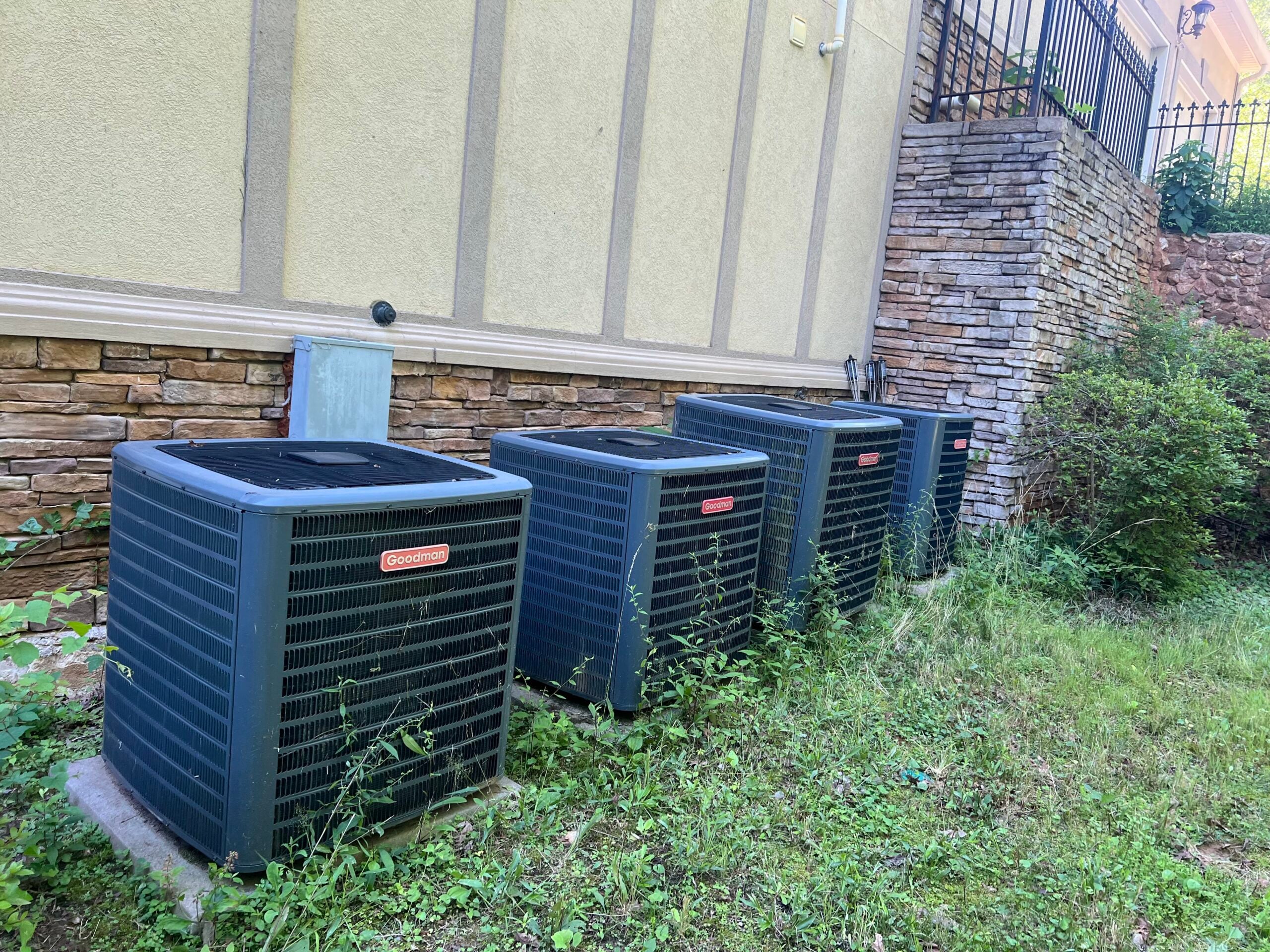
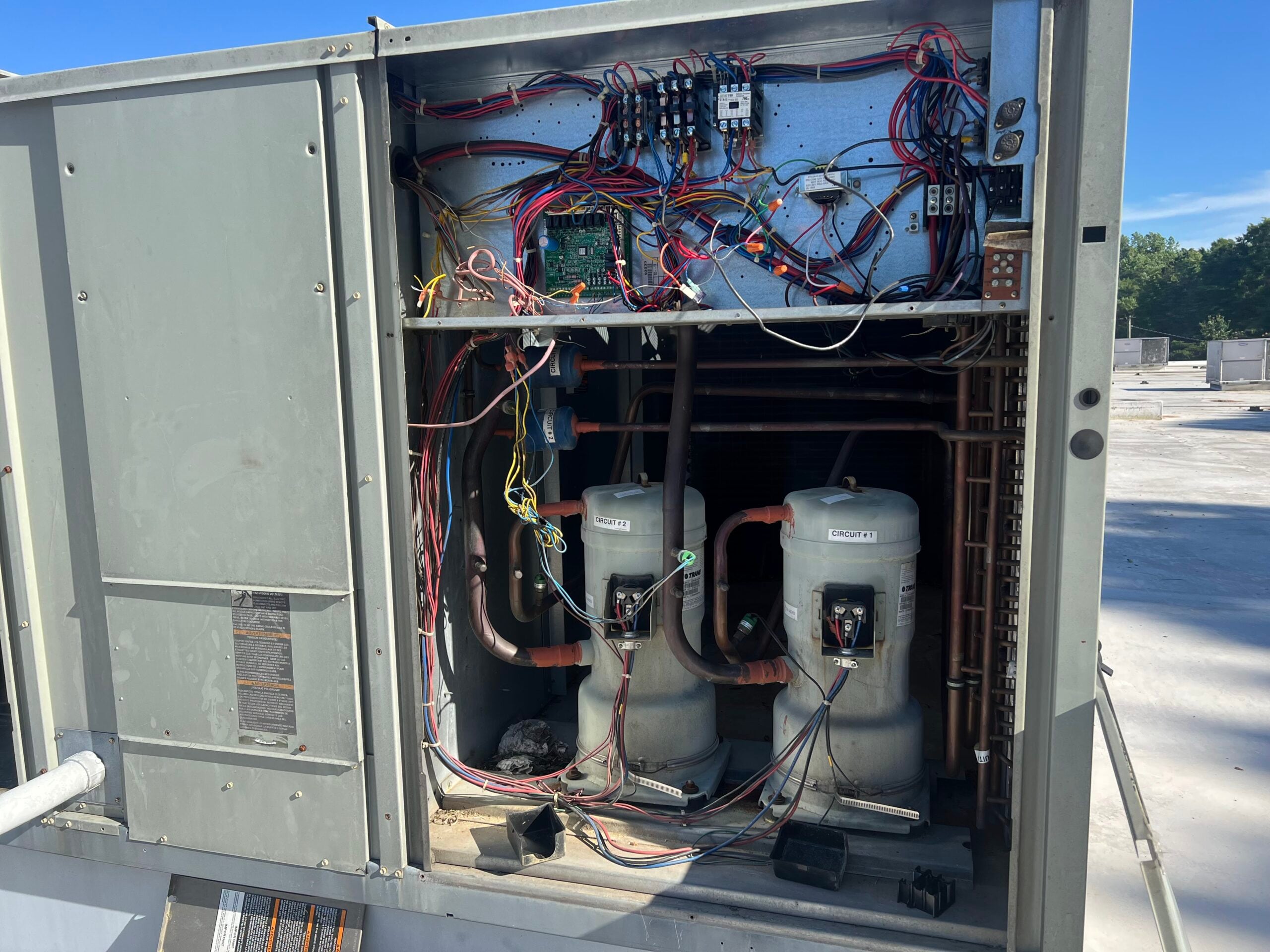
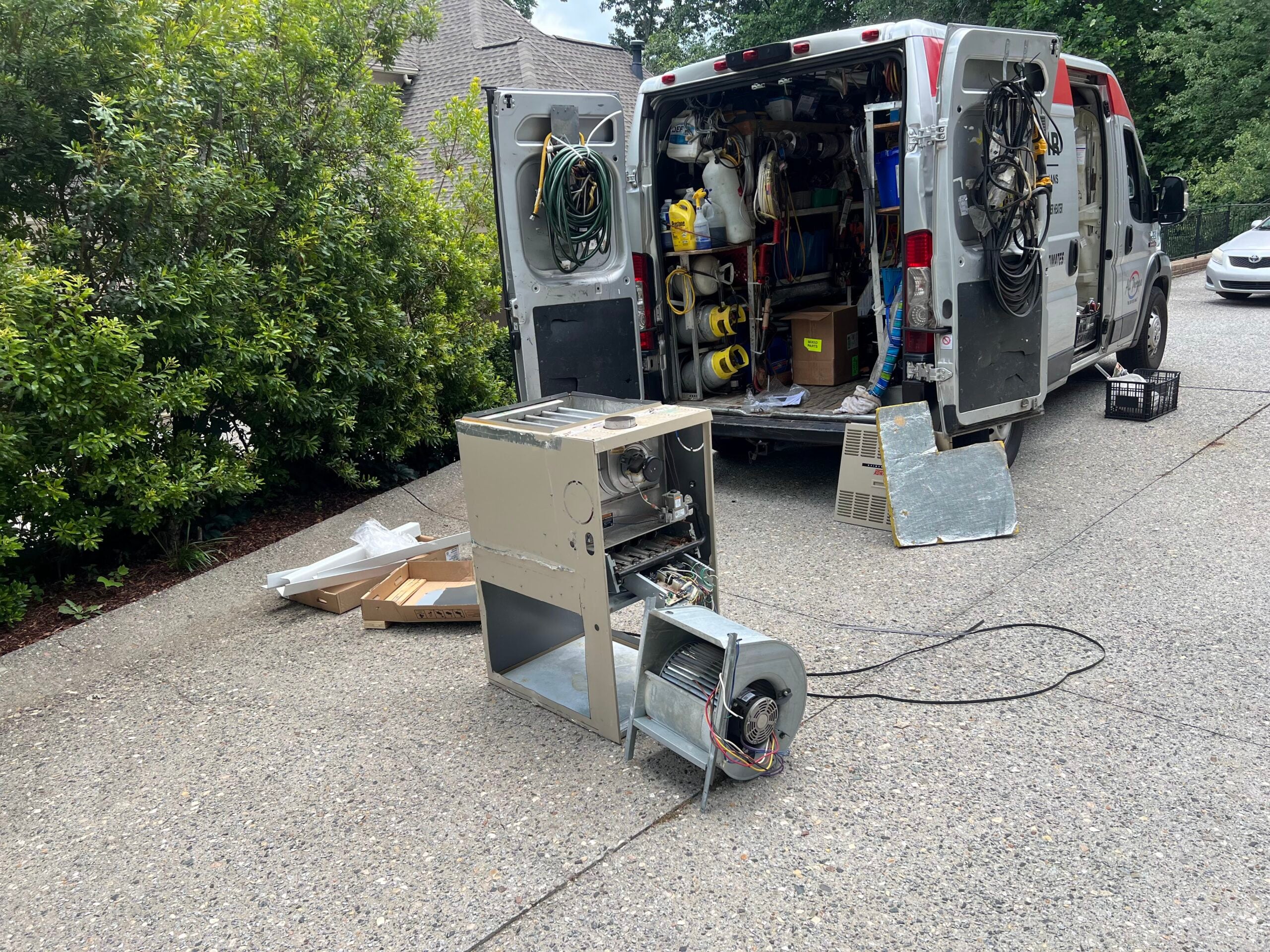
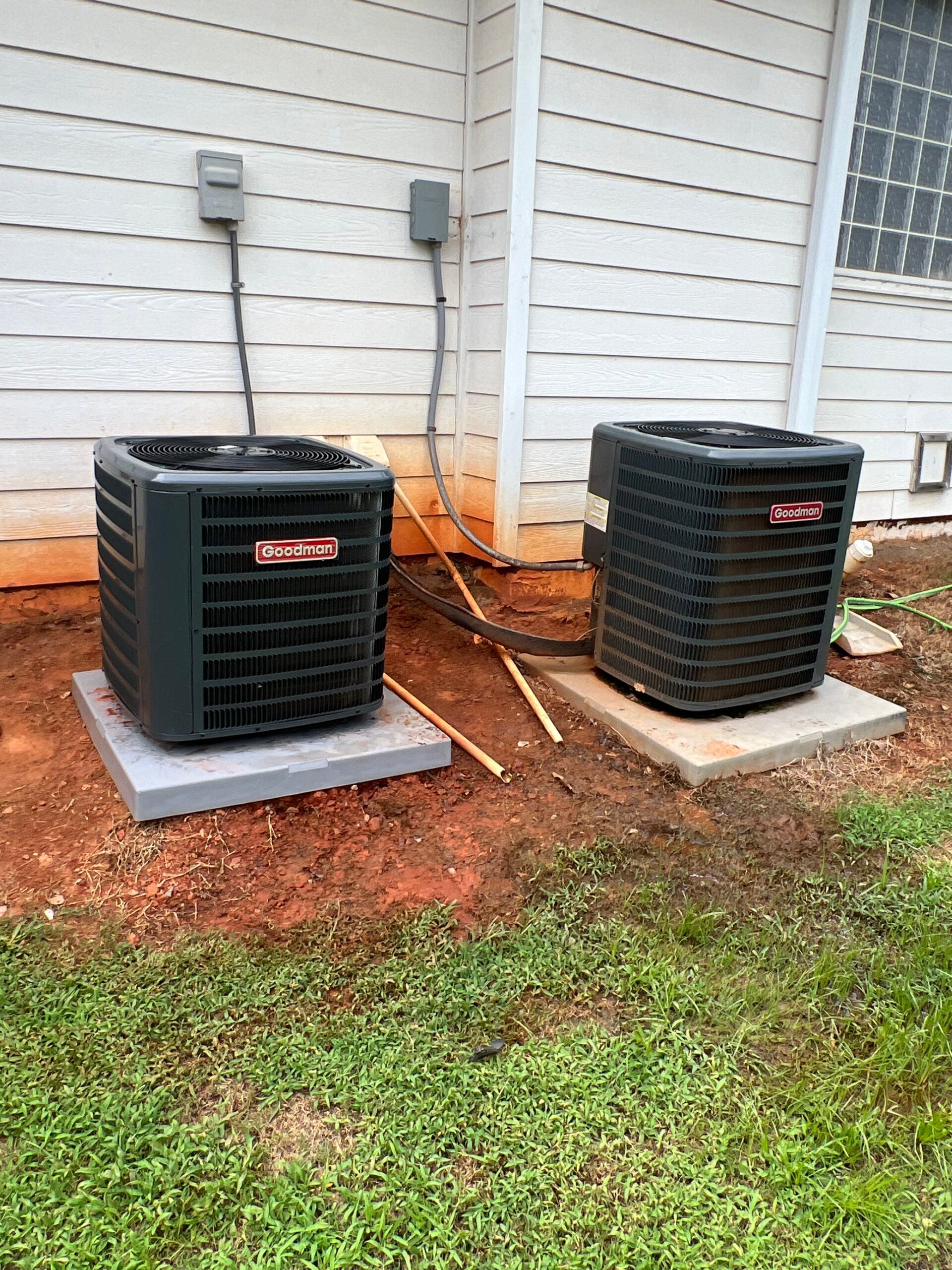
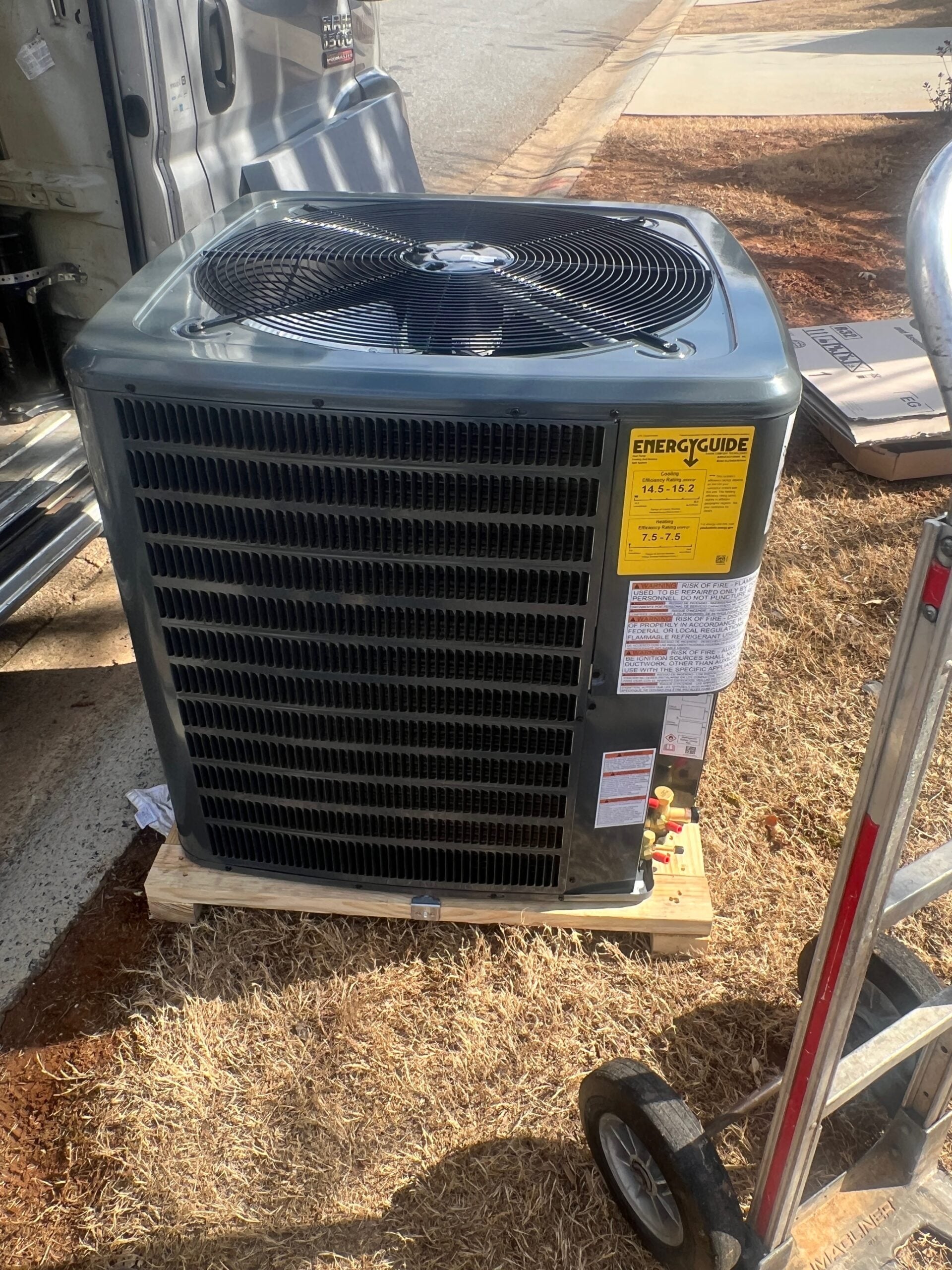
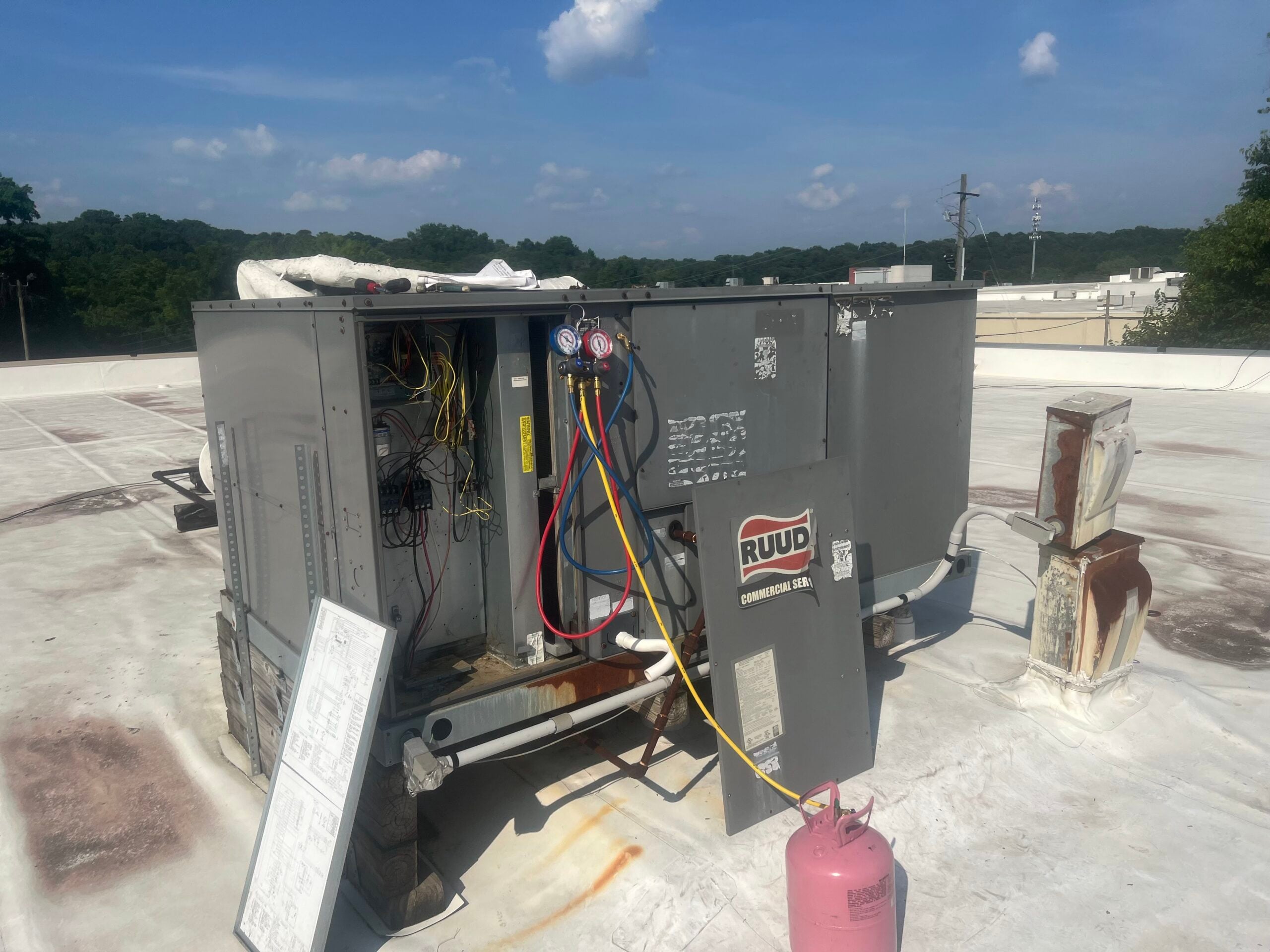
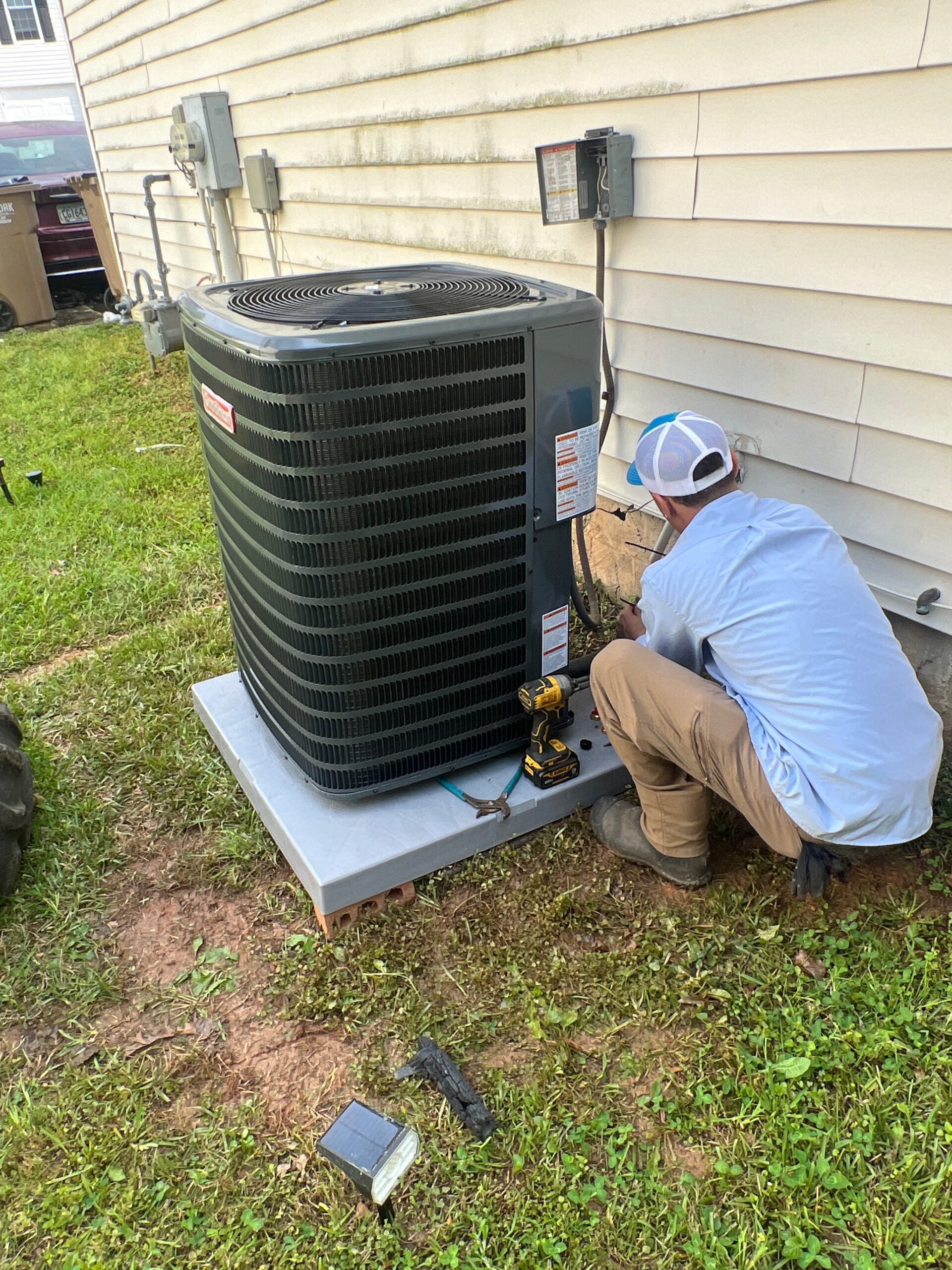

All Purpose Heating & Air Conditioning serves homeowners throughout the Metro Atlanta region. Whether you’re in a newer subdivision or an older neighborhood with original ductwork, we’ve worked on heat pumps in homes like yours. Our technicians cover the full service area, including communities like Alpharetta, Newnan, Conyers, Peachtree City, and McDonough, so distance is rarely a reason to wait on a repair.
Cost and timeline for heat pump work depend on a few specific factors. A repair on a system that’s otherwise in good shape, say a failed capacitor or a reversing valve replacement, typically moves faster and costs less than a full system swap. Replacement timelines stretch when the air handler also needs to be replaced, since that involves more labor and sometimes modifications to the duct connections. System size matters too. A larger home requires a higher-capacity unit, and that affects both equipment and installation time. There’s no single number that fits every situation, which is why an estimate is the only honest way to give you a real figure.
If your system isn’t heating or cooling the way it should, don’t wait until it quits entirely. You can read more about what’s involved with air conditioning repair when your heat pump is struggling in cooling mode, or learn what goes into furnace repair if your home has a dual-fuel setup with a gas backup. When you’re ready to find out where your system stands, request your estimate and we’ll get a technician out to take a look.
+