AC repair in Atlanta, GA is the process of diagnosing and fixing a cooling system that has stopped working correctly, whether it’s blowing warm air, short cycling, freezing up, or failing to keep up with demand. Atlanta’s long, humid summers put more hours on residential cooling equipment than most homeowners realize, and when a system starts showing symptoms, getting the right diagnosis fast matters.
Atlanta’s cooling season runs from late April well into October. That’s months of near-daily runtime, and it’s the kind of sustained heat and humidity that exposes every weak point in a system: a low refrigerant charge, a failing capacitor, a clogged condensate line. Most AC problems don’t announce themselves with a dramatic breakdown. They show up gradually, and by the time the house won’t cool, the system has usually been struggling for a while.
The housing stock across intown Atlanta adds another layer of complexity. Older bungalows in neighborhoods like Virginia-Highland or Grant Park were built before central air conditioning existed, which means the ductwork was retrofitted and often undersized or leaky. A system that seems underpowered may actually be working fine but losing conditioned air before it reaches the rooms. Knowing the difference between a mechanical problem and a duct problem changes what the repair looks like.
All Purpose Heating and Air Conditioning has been working in Atlanta homes for more than 35 years. Our crews are across the city every day, and we know what the local climate and housing stock ask of cooling equipment. If your AC isn’t right, we’ll tell you exactly what’s wrong and what it will take to fix it.
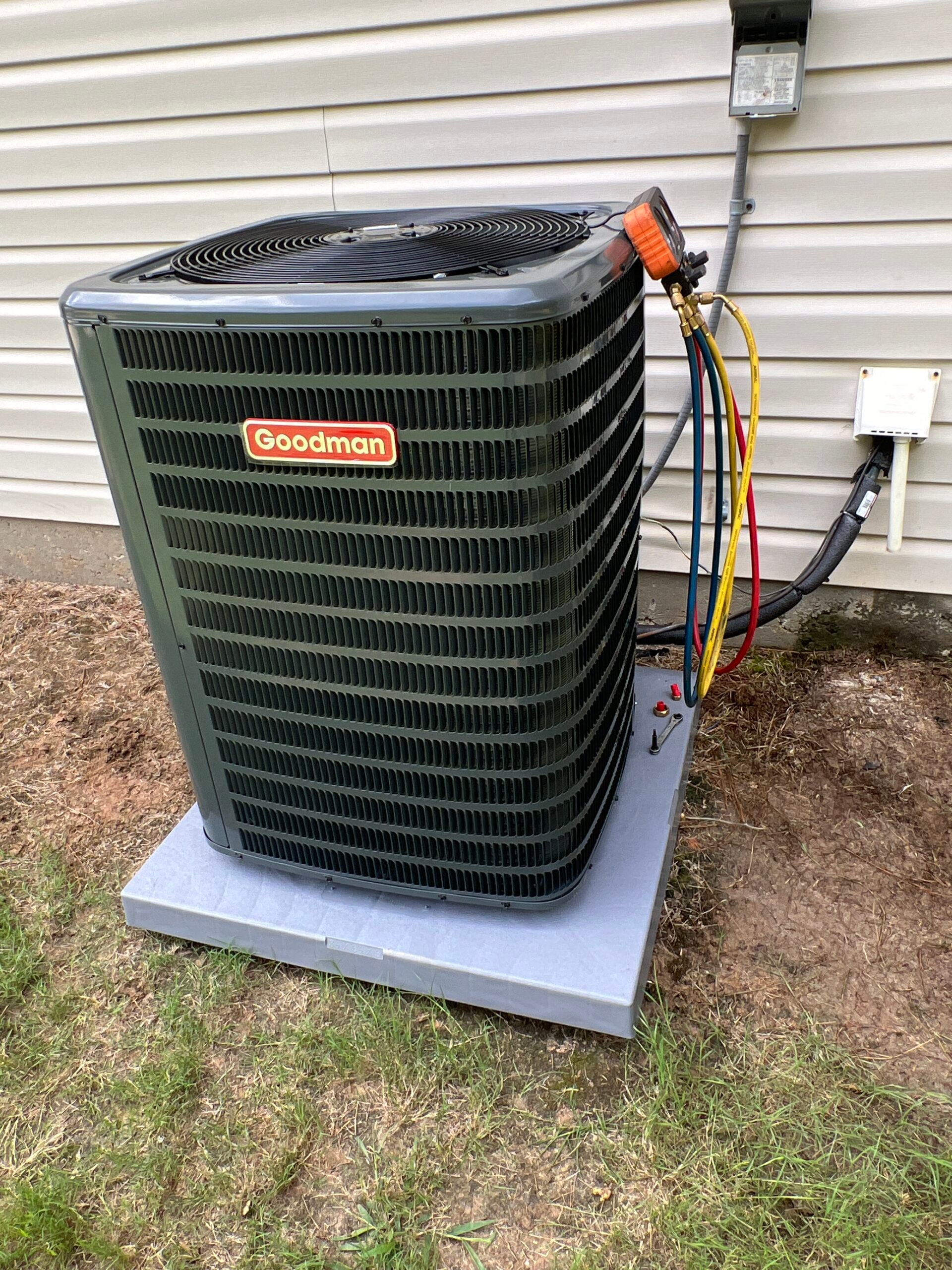
Some AC problems are obvious. Others are easy to dismiss until the system quits entirely on the hottest afternoon of the year. Here are the symptoms that mean it’s time to call for a diagnosis.
Warm or barely cool air from the vents. If the air coming out feels like room temperature or warmer, the system is running but not cooling. This points toward a low refrigerant charge, a failed compressor, or a refrigerant leak somewhere in the line set.
The unit runs constantly but the house never gets there. Atlanta’s combination of high heat and high humidity is relentless from June through September. A system that runs all day without hitting the set temperature may be low on refrigerant, have a dirty evaporator coil, or simply be undersized for the load it’s carrying. In older Midtown or Buckhead homes that have been renovated and opened up over the years, the original system sizing may no longer match the actual square footage and layout.
Short cycling. When the AC kicks on and shuts off again within a few minutes, over and over, that’s short cycling. It’s hard on the compressor and usually points to an electrical fault, a refrigerant overcharge, or a thermostat problem.
Ice on the refrigerant line or the indoor unit. Ice forming on the copper line or the evaporator coil is a sign of restricted airflow or a refrigerant issue. Either way, a frozen system isn’t cooling your home.
Water pooling around the indoor unit. The condensate drain removes moisture pulled from the air. When it clogs, water backs up and can damage the air handler, the ceiling, or the floor below. In humid Atlanta summers, condensate lines clog more often than most homeowners expect.
A breaker that trips when the AC starts. If the circuit breaker trips the moment the air conditioner tries to start, there’s likely an electrical fault at the compressor or a failing capacitor drawing too much current. Don’t keep resetting it. That’s a sign something needs attention before it becomes a bigger problem.
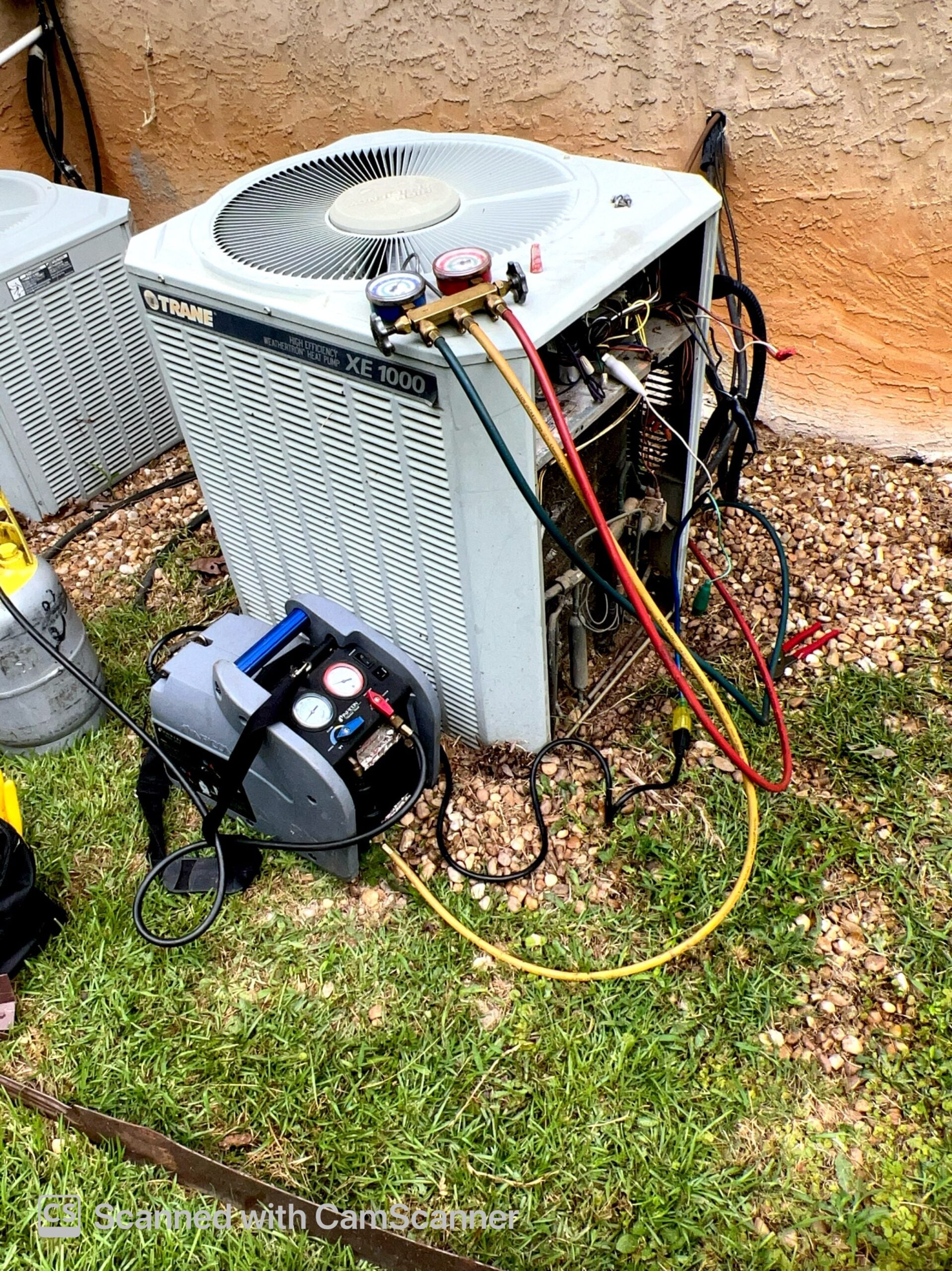
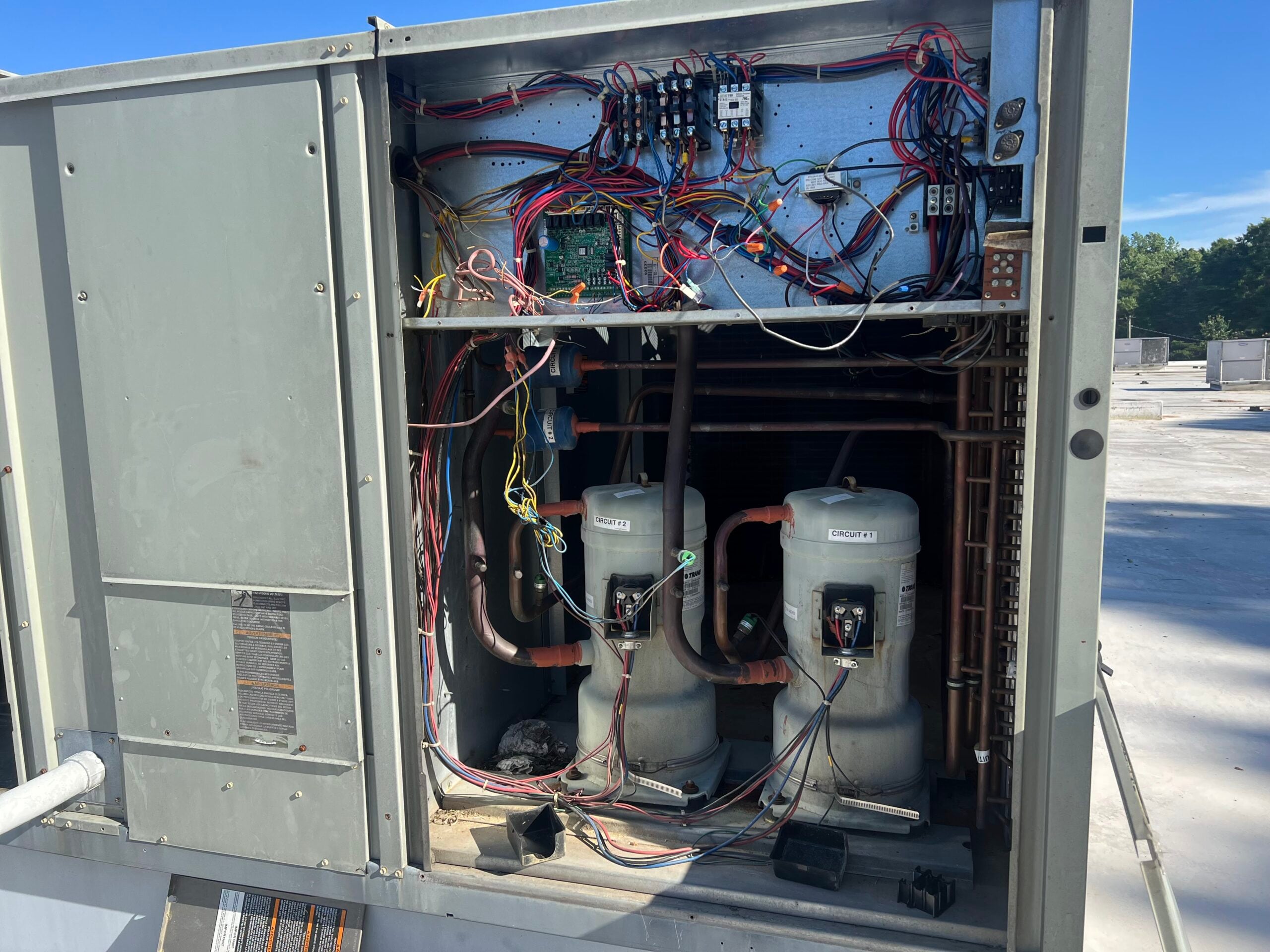
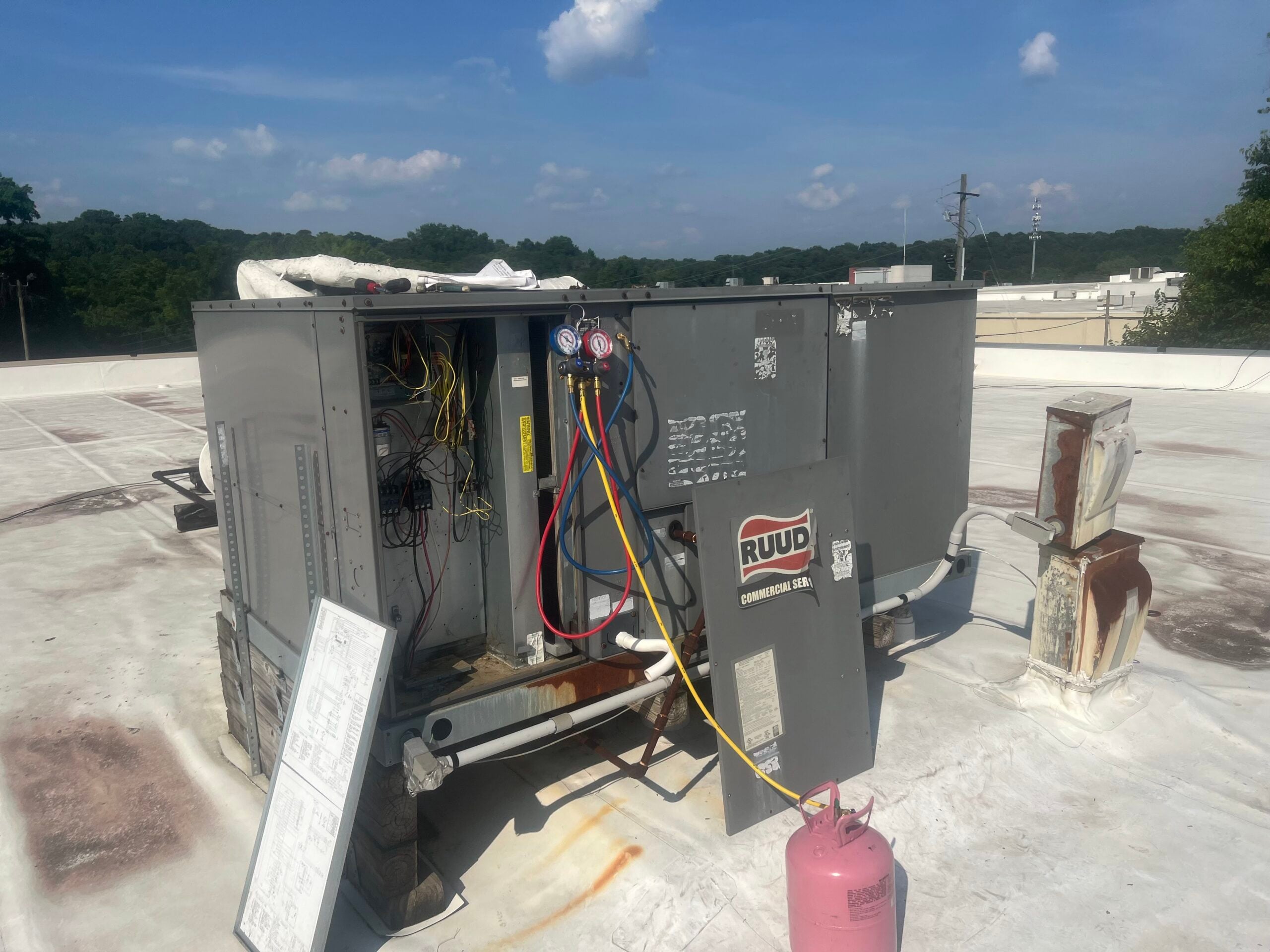
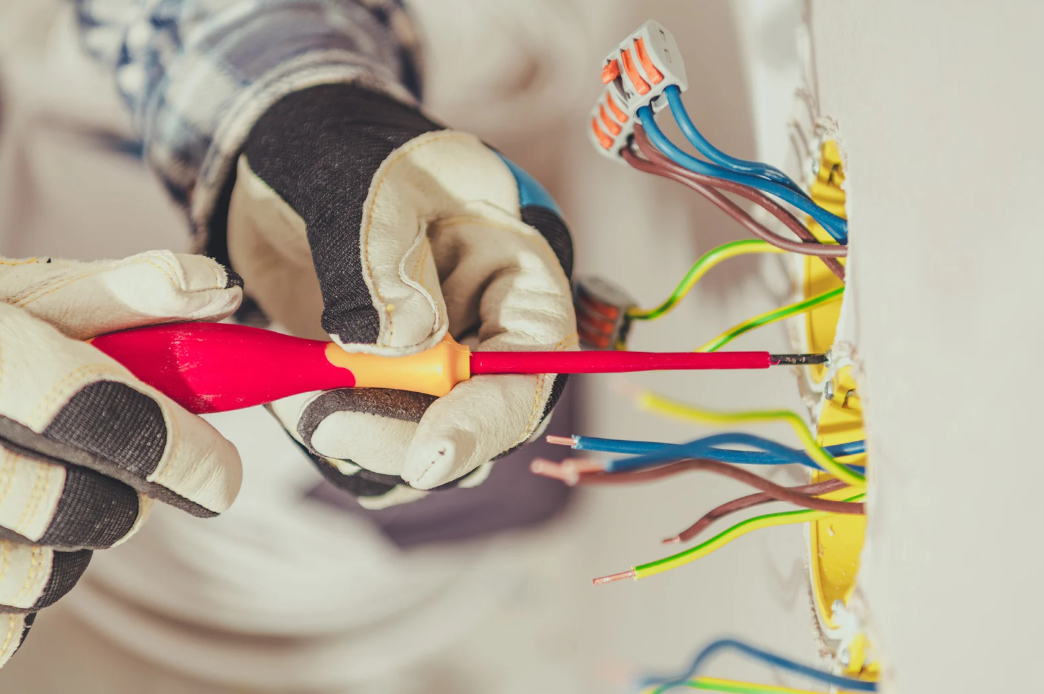
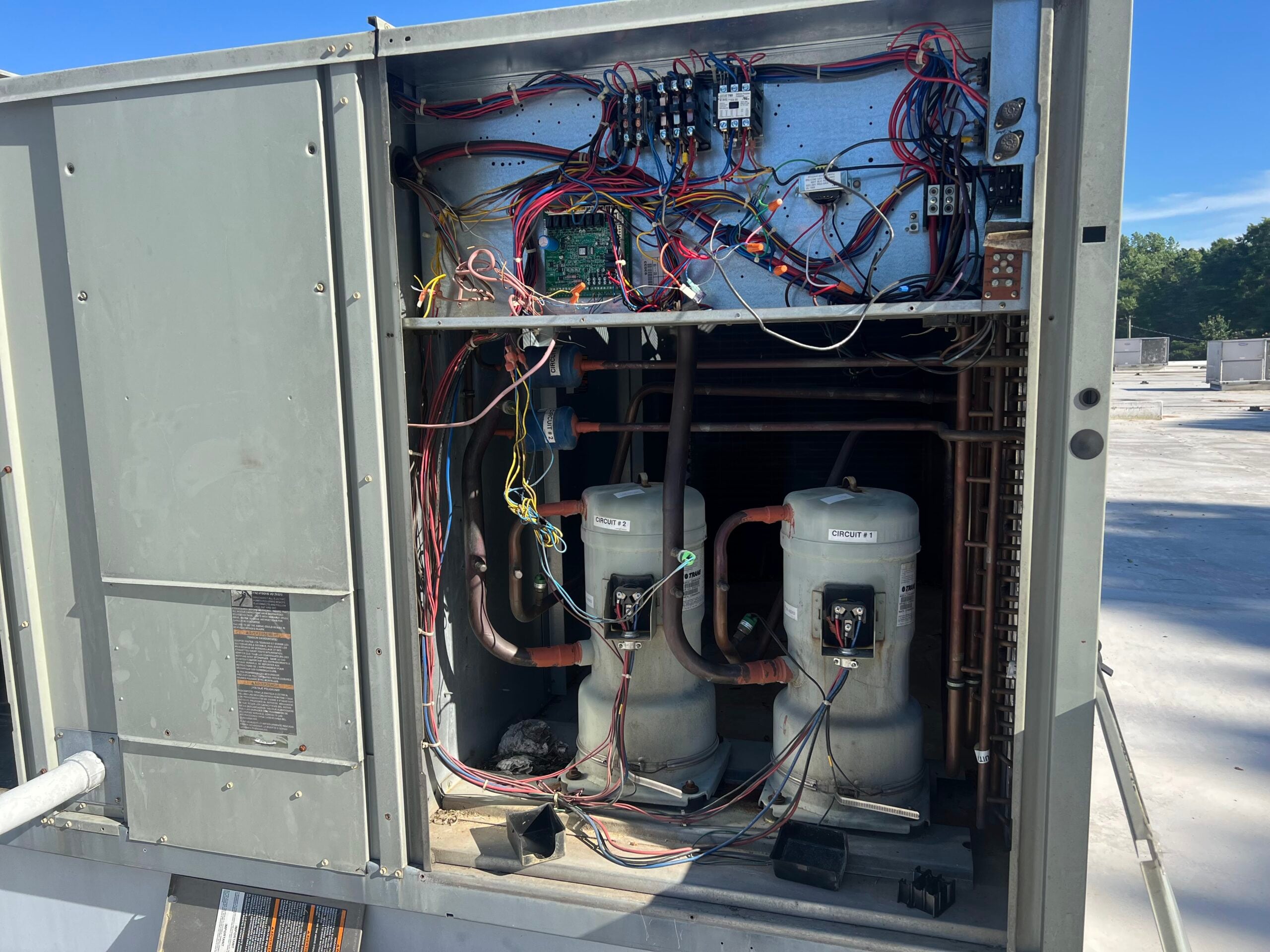
When we arrive, we’re not guessing. We start with a real diagnosis of the actual fault, not a parts swap based on the most common problem. That means checking the thermostat signal, measuring the temperature differential across the evaporator coil, inspecting electrical components including capacitors, contactors, and wiring connections, and verifying that the blower motor and condenser fan are operating correctly.
From there we check the refrigerant charge. If the system is low, we locate the leak before adding refrigerant. Topping off a leaking system without finding the source is a short-term fix that won’t hold. The type of refrigerant the system uses matters here, and older equipment that uses refrigerants no longer in standard production can affect both the repair approach and the timeline.
Once we’ve identified the fault, we make the repair or replace the failed component and then test the full cooling cycle before we leave. That means confirming the system reaches the target temperature, checking airflow at the registers, and verifying that the electrical draw is within the right range for the equipment.
We’ll also give you a straight answer on whether the repair makes sense for the age and condition of the system. Some repairs are straightforward and the system has plenty of life left. Others, especially on older equipment with a major component failure, may not be worth the cost compared to replacement. What drives the cost of any AC repair is the failed component itself, the refrigerant type and how much charge is needed, how old the system is, and how accessible the equipment is. The only way to get a real number for your situation is to request your estimate.
We don’t pad the diagnosis to sell parts. We tell you what we found and what it will take to fix it.

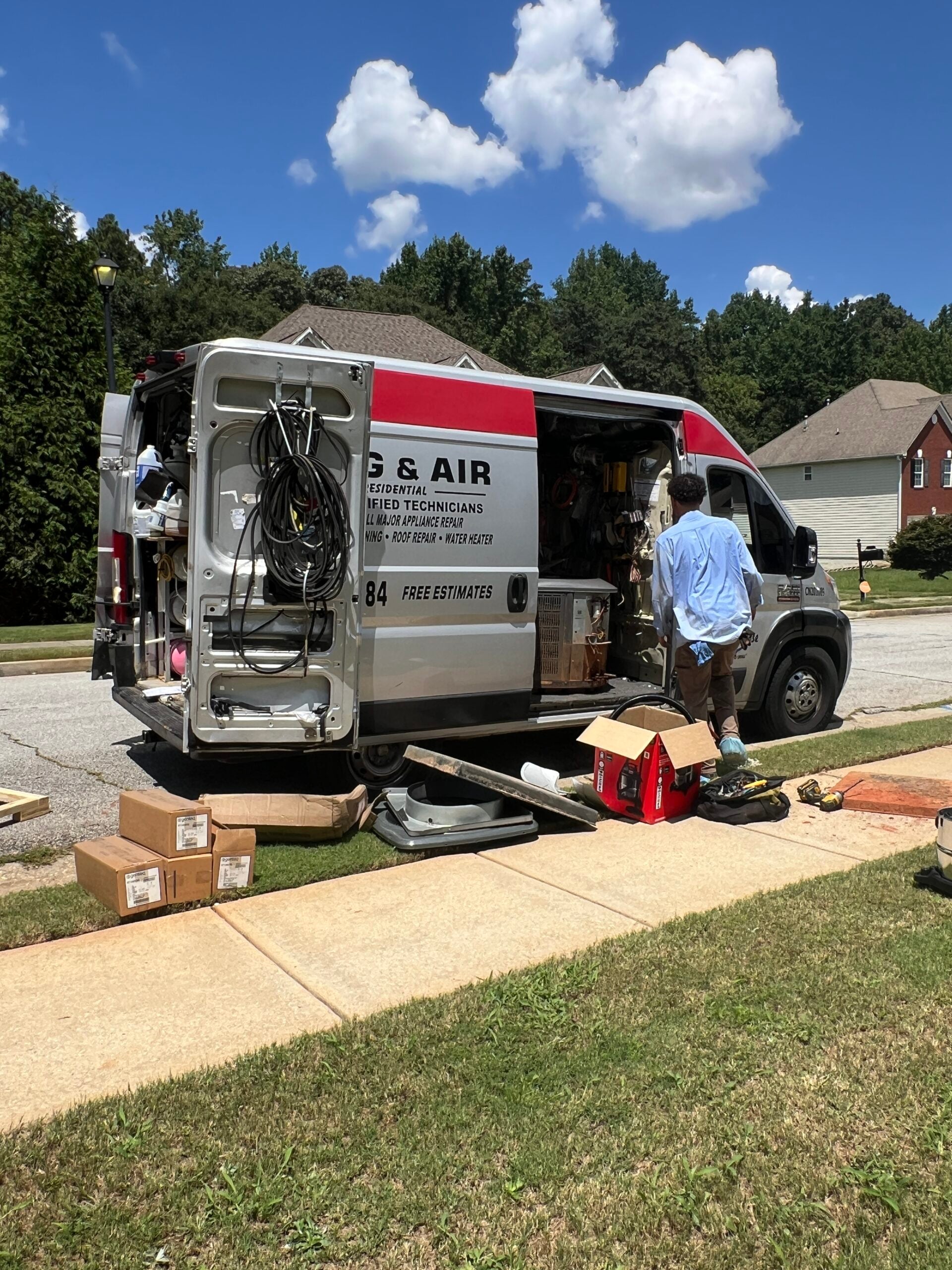
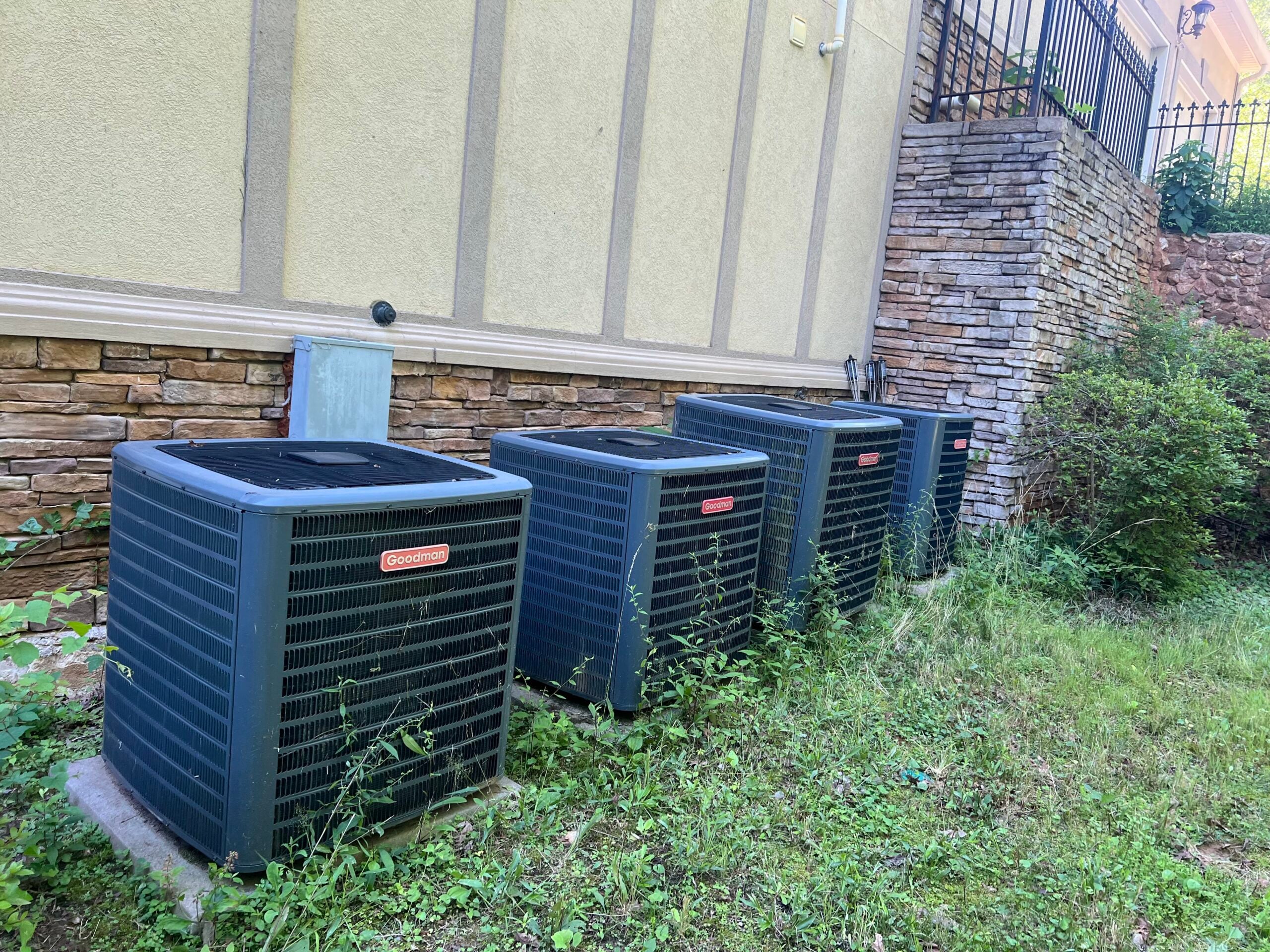
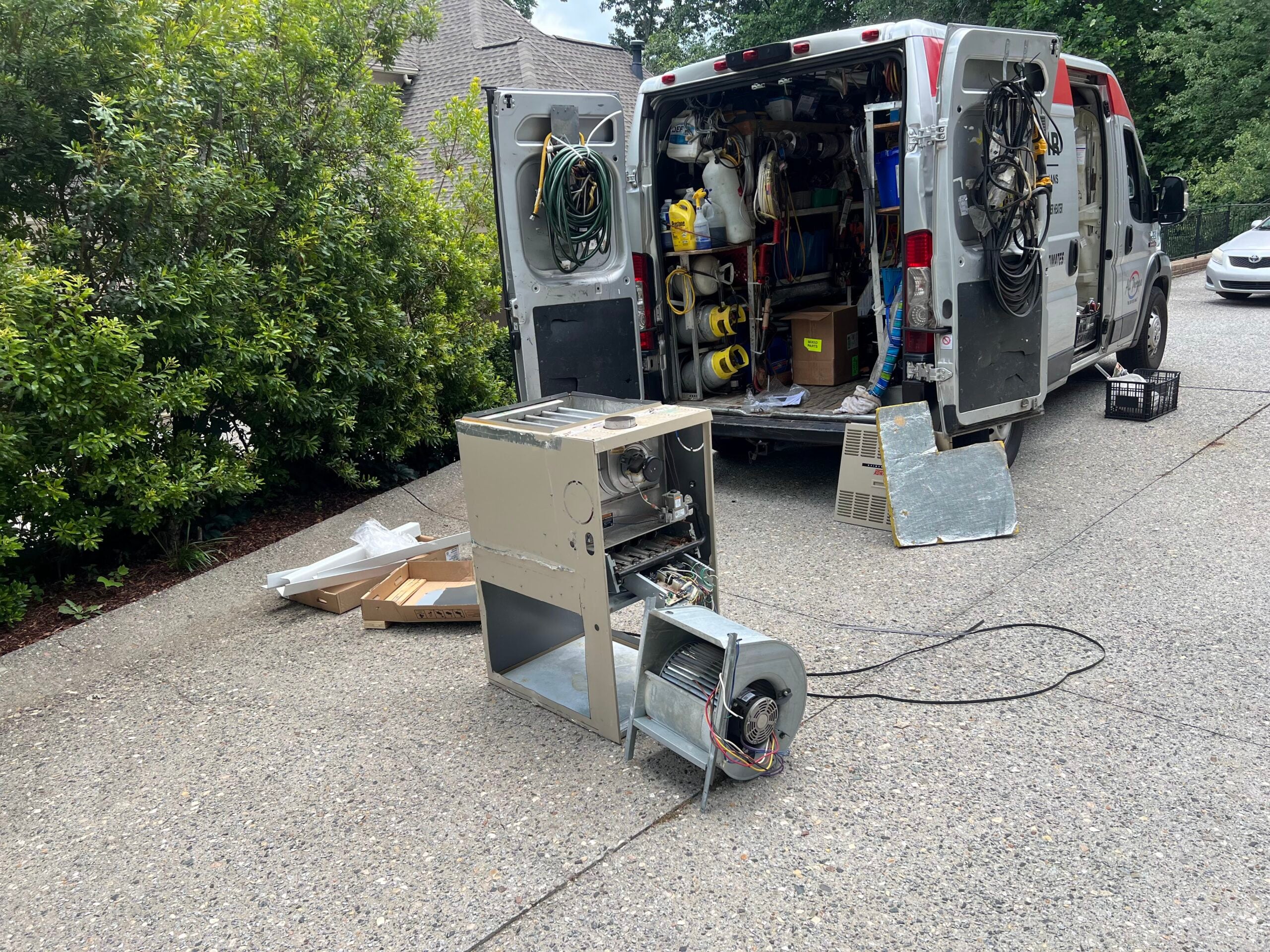
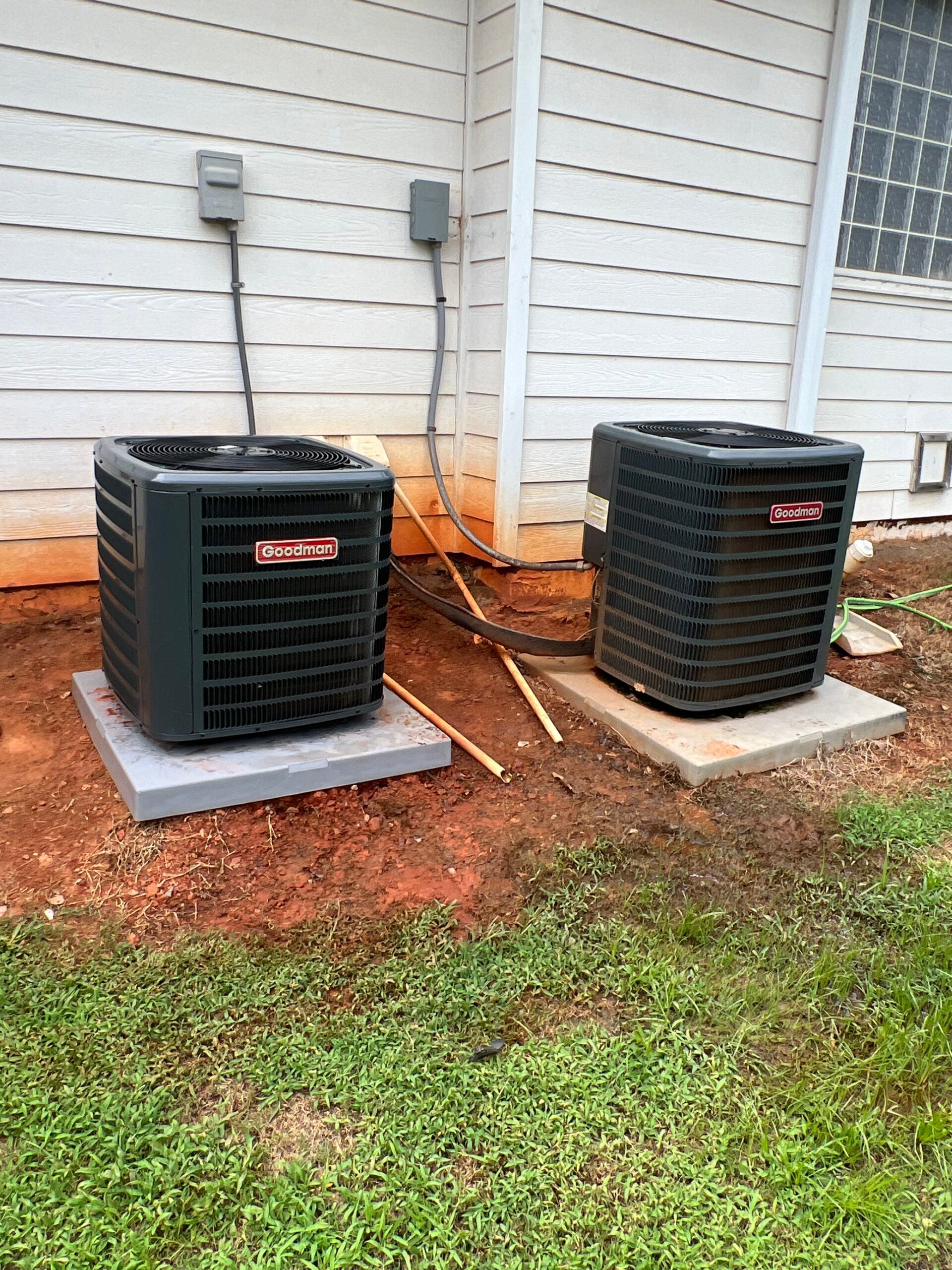
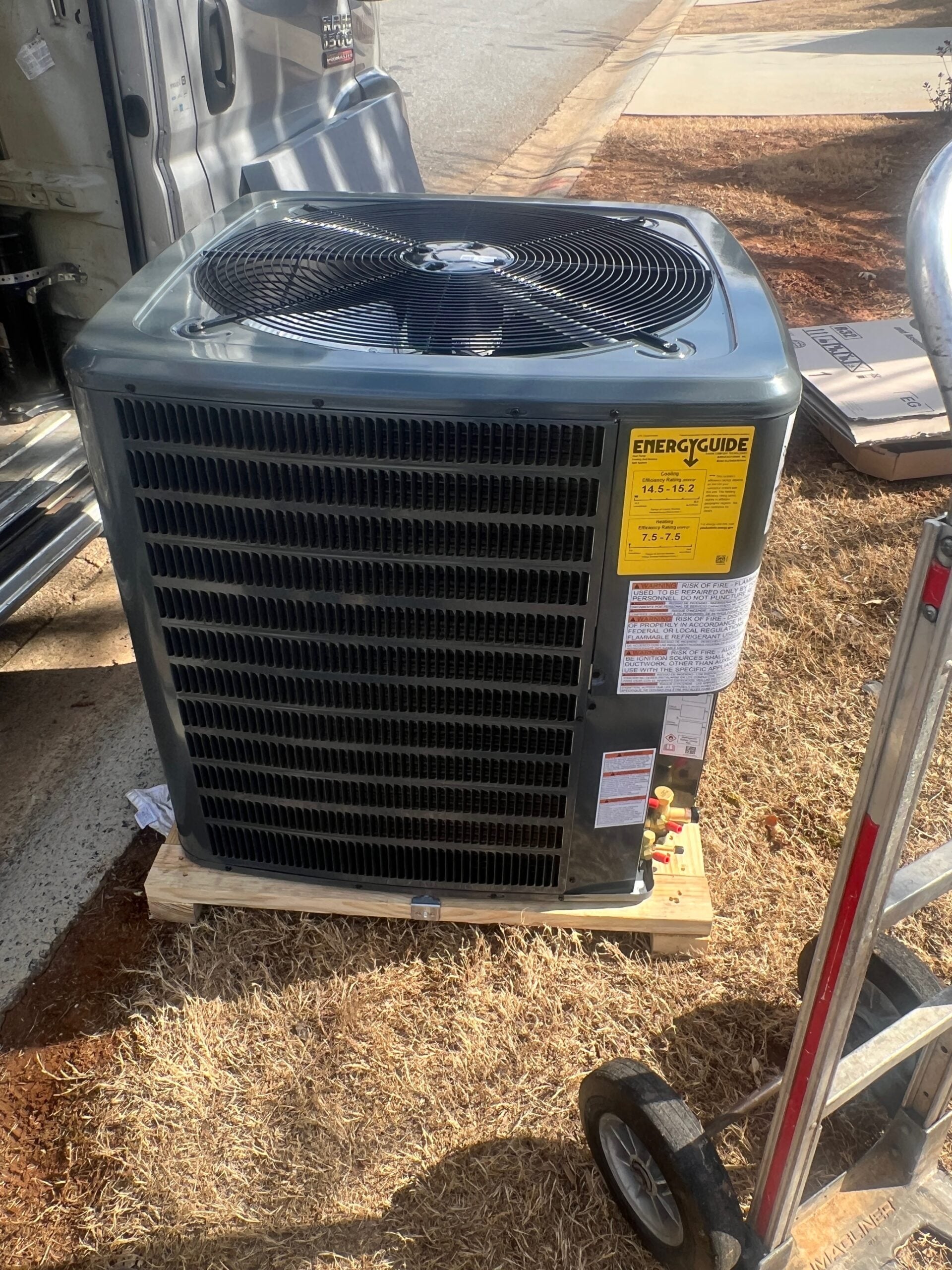
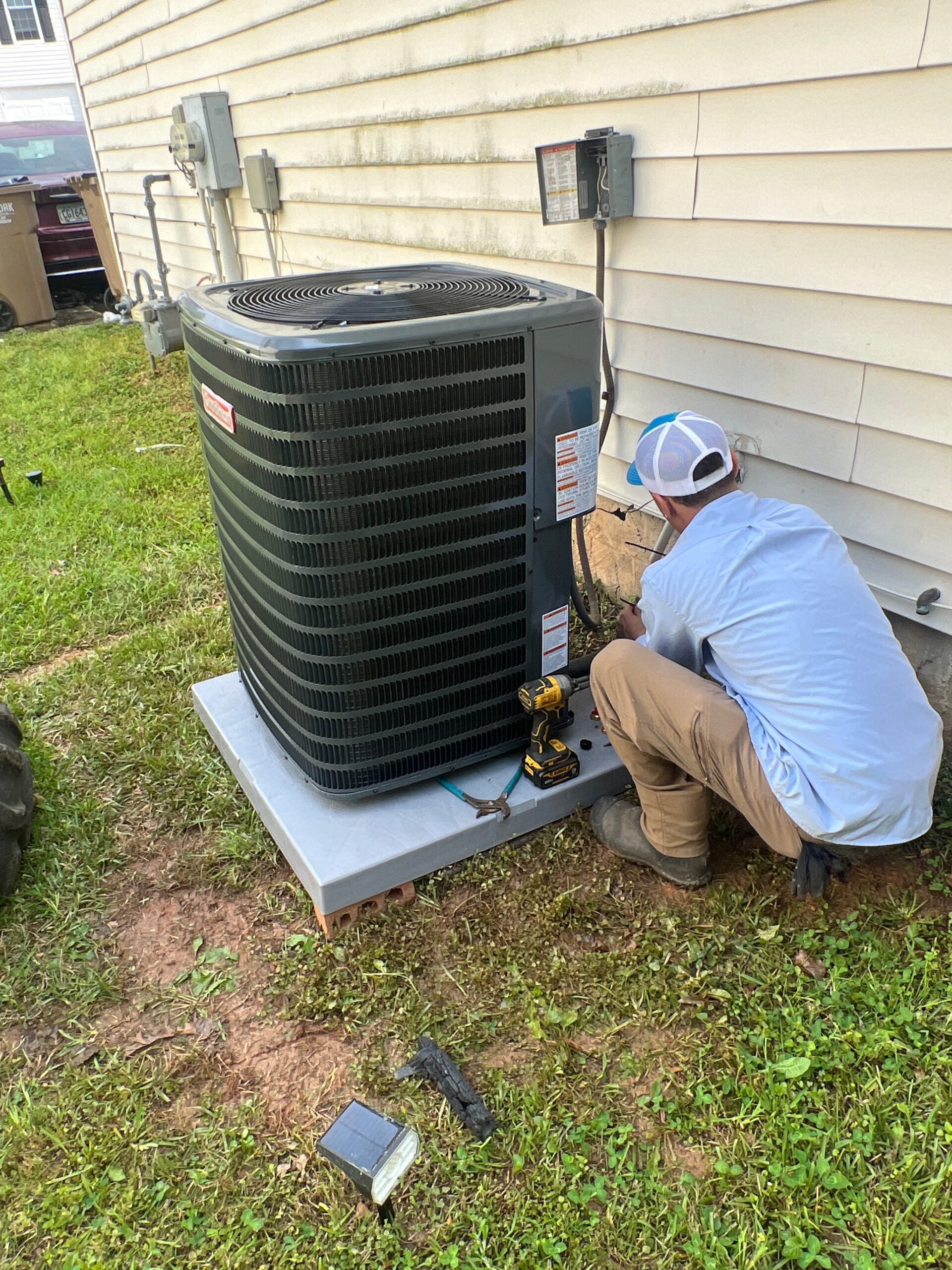
All Purpose Heating and Air Conditioning is based in Atlanta, and our service area covers the city and the surrounding communities. Whether you’re in a renovated bungalow near the Atlanta BeltLine, a condo in Midtown, or a newer build further out, we have crews that know the area and can get to you.
If you want to see everything we handle for Atlanta homeowners and property owners, our Atlanta HVAC services page covers the full picture, from new system installations to seasonal maintenance. Cooling is one part of what we do here.
For a closer look at what goes into a cooling system service call, the AC repair service page walks through the process, common faults, and what to expect when we show up.
And if your heating system needs attention before winter’s cold snaps arrive, our Atlanta furnace repair page covers what we do when temperatures drop. Atlanta winters are mild most years, but the handful of hard freezes we do get tend to expose any heating system that hasn’t been running properly.
We also serve homeowners in Alpharetta, Conyers, Peachtree City, Newnan, and McDonough. Give us a call or request your estimate and we’ll get someone out to take a look.
+