AC installation and replacement in Alpharetta, GA means sizing, selecting, and fully commissioning a new central air conditioning system in your home, from the outdoor condenser and indoor coil to the refrigerant lines, electrical connections, and startup testing. When an aging or undersized system can no longer keep up with a north Georgia summer, a properly installed replacement is the fix that actually holds.
Alpharetta sits on the north edge of the metro, and the summers here are no easier than anywhere else in Atlanta. The humidity rolls in off the Chattahoochee corridor, afternoon temperatures push well into the 90s, and your air conditioner runs for months without much of a break. A system that is struggling in May is going to be failing in July.
A lot of the homes we work in along Windward Parkway and Haynes Bridge Road were built in the late 1980s and 1990s with builder-grade equipment. Those systems are now well past the age range where repairs start making less sense than replacement. Closer to the Milton border and in the newer construction near Avalon, we see larger homes with more complex load requirements where getting the sizing right from the start really matters.
All Purpose Heating and Air Conditioning has been doing this work in Alpharetta and across the north metro for over 35 years. We are locally owned, licensed, and insured, and we offer financing on complete HVAC systems so the timing of a replacement does not have to be a crisis.
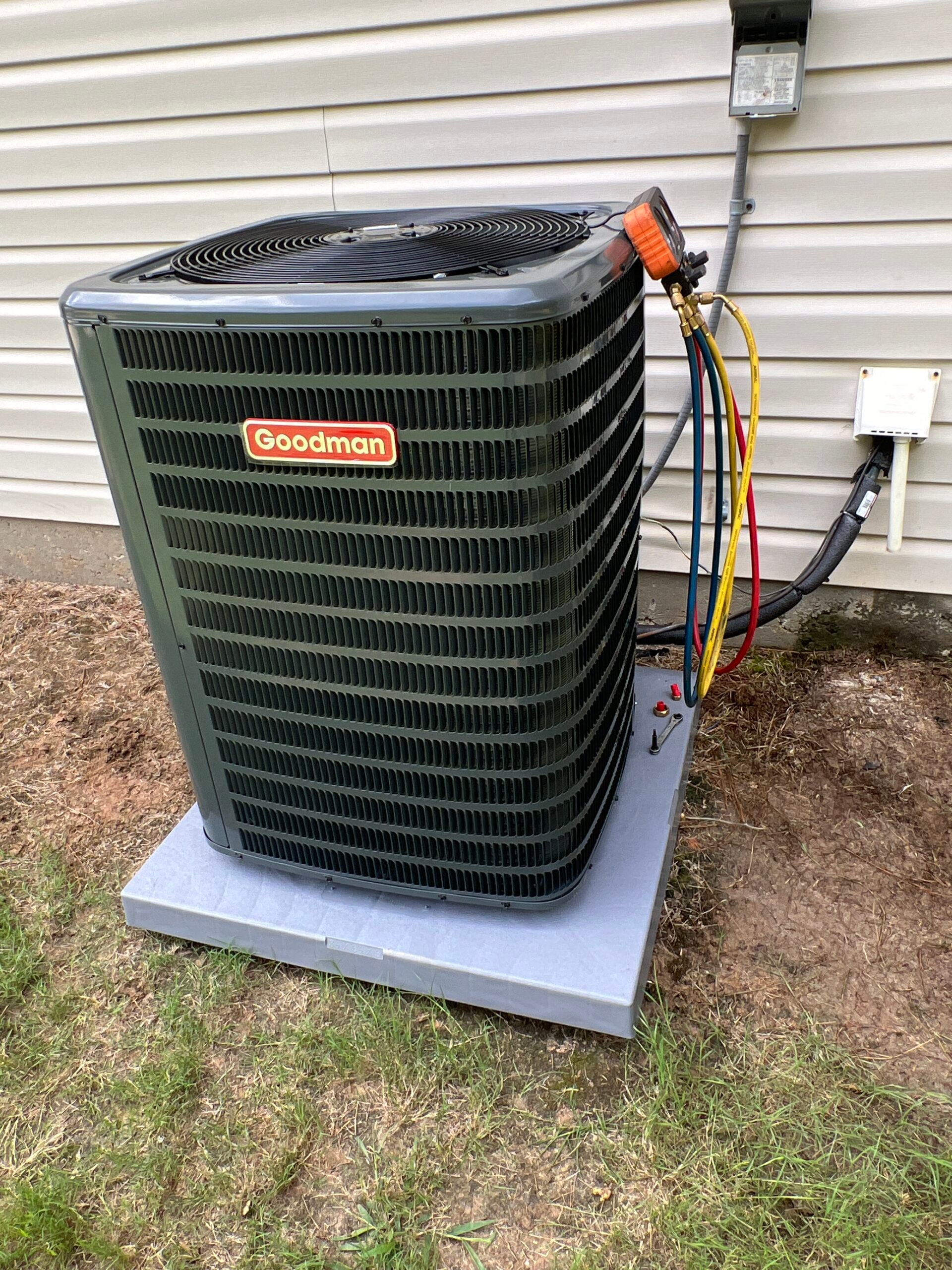
Most central air conditioning systems have a general industry lifespan in the range of 15 to 20 years, though how a system was installed, how it was maintained, and how hard it has had to work all affect where any particular unit lands in that range. If your system is past the 12 to 15 year mark, it is worth paying close attention to what it is telling you.
Repeated repairs are a clear signal. Capacitors, contactors, and blower motors wear out on older equipment, and once you are replacing components every season, the cost of keeping the system alive starts competing with the cost of replacing it. An R-22 refrigerant system is a specific case worth mentioning. R-22 is no longer manufactured, which makes recharging an older system that uses it expensive and increasingly impractical.
High summer electric bills are another indicator. A system that is running longer cycles to hold the same temperature is working harder than it should. In Alpharetta, where the cooling season runs from April through October and the humidity puts extra load on the equipment, an inefficient system shows up fast on your utility bill.
Homes in the Windward and Haynes Bridge neighborhoods were often cooled by builder-grade systems that were sized for the original floor plan. If you have added a sunroom, finished a basement, or expanded the living space since the home was built, the existing system may simply not have the capacity to cover what you are asking it to cover. That is a sizing problem, and a new installation is the right answer.
The job starts before we pull anything out. We do a load calculation for your home, which accounts for square footage, ceiling height, insulation levels, window placement, and sun exposure. Skipping this step and just matching the size of the old unit is one of the most common mistakes in this trade. An oversized system short-cycles and leaves humidity in the air. An undersized one never catches up on a hot afternoon. Neither is acceptable.
Once we know what the home needs, we walk you through equipment options. That includes efficiency ratings, because a higher SEER rating costs more upfront and saves money over the life of the system. Which option makes sense depends on how long you plan to stay in the home, your current utility costs, and your budget. We give you the information and let you decide.
Removal of the old equipment comes next. We handle that as part of the job. Then we set the new condenser, install the indoor coil, run the refrigerant lines, and make the electrical connections. If the existing electrical service to the unit needs an upgrade to support the new equipment, we identify that early so it is not a surprise.
We also check ductwork condition before we button everything up. Old duct systems in homes built in the 1980s and 1990s can have leaks, collapsed sections, or insulation problems that will undercut the performance of even a well-installed new system. After installation, we start the system, verify the refrigerant charge, and test airflow at the registers before we leave.
What drives the total cost of the job is system size and efficiency rating, the condition of the existing ductwork, whether electrical upgrades are needed, and removal of the old equipment. Request your estimate to get a real number for your specific home.

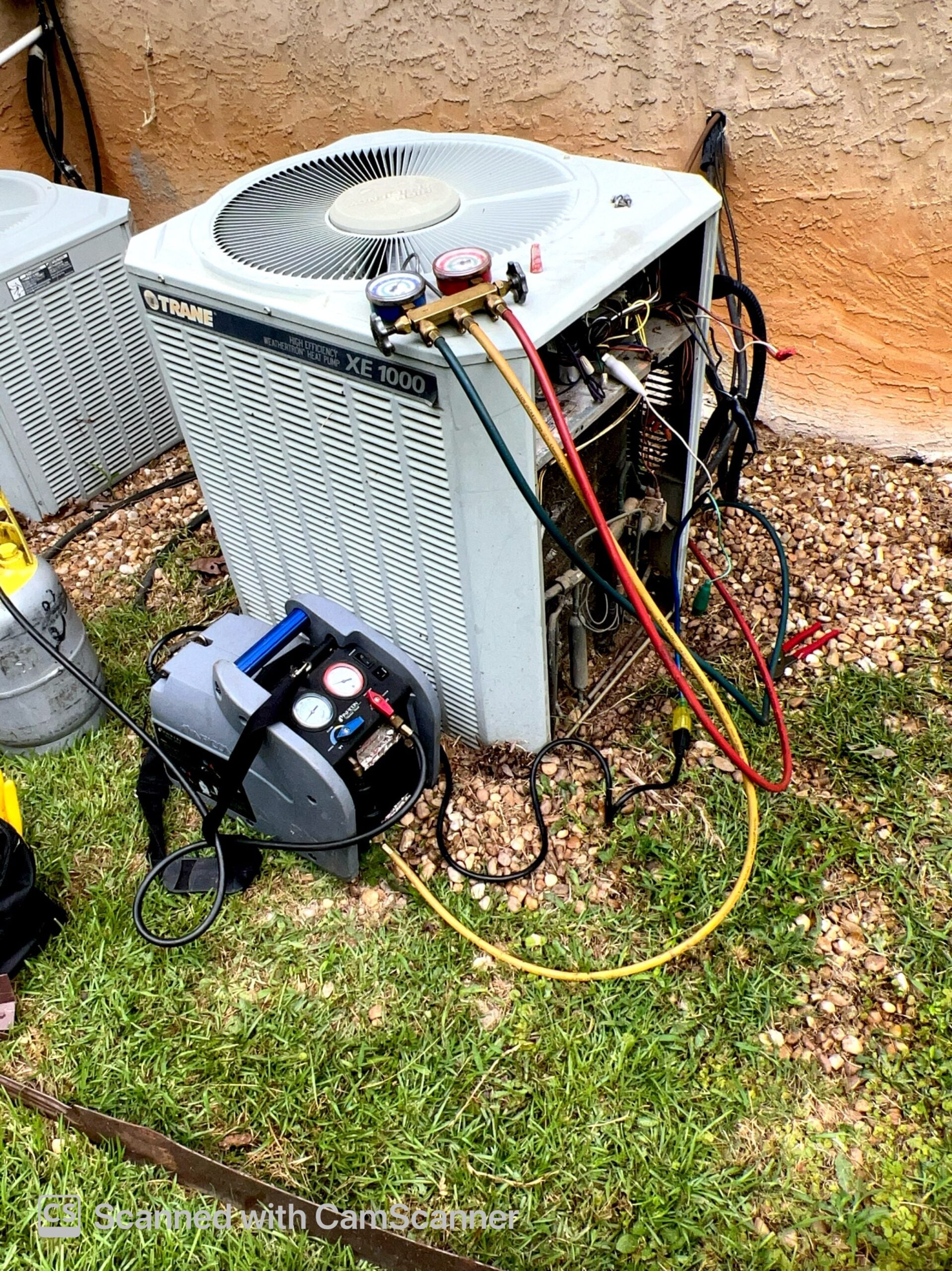
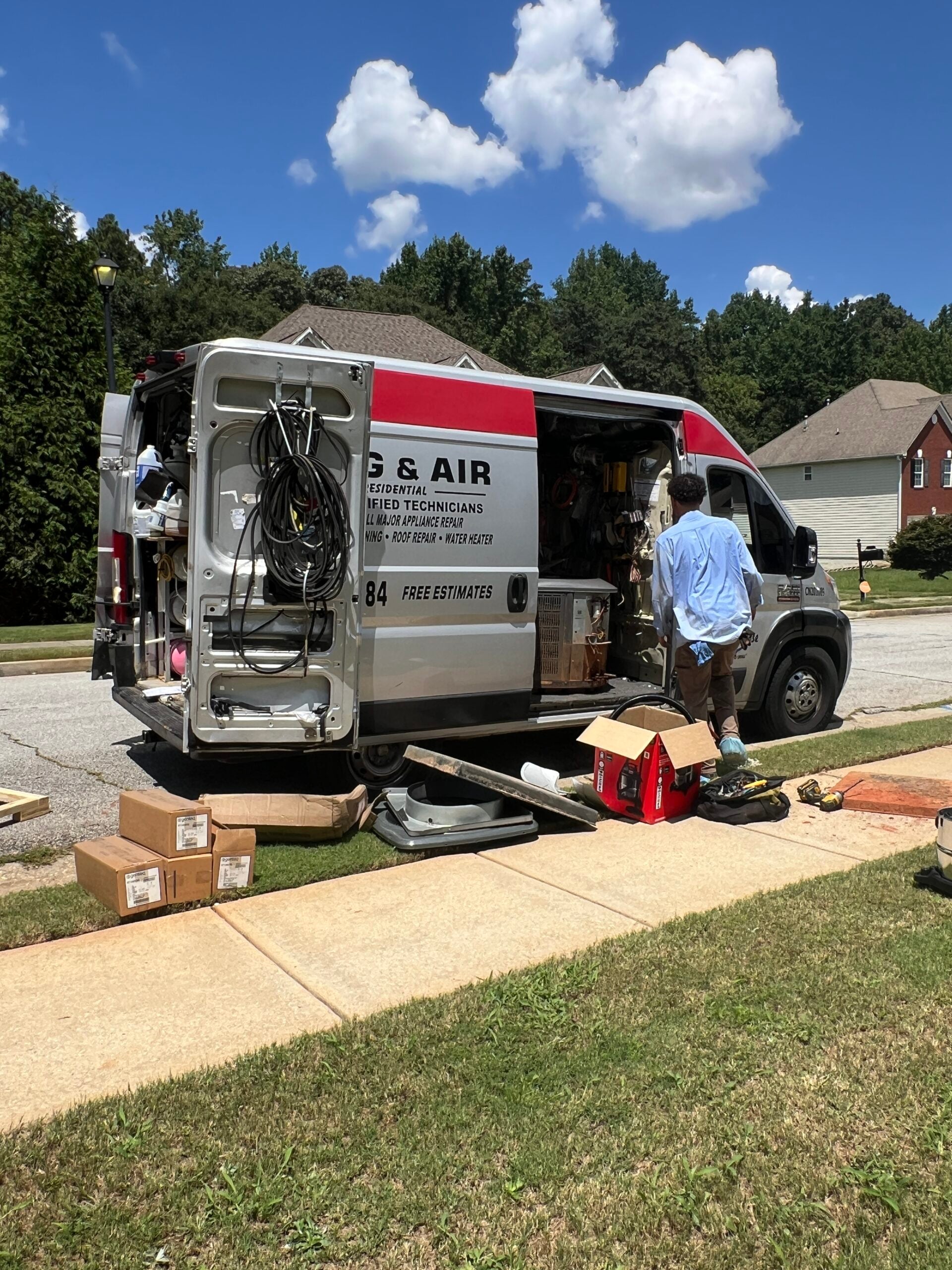
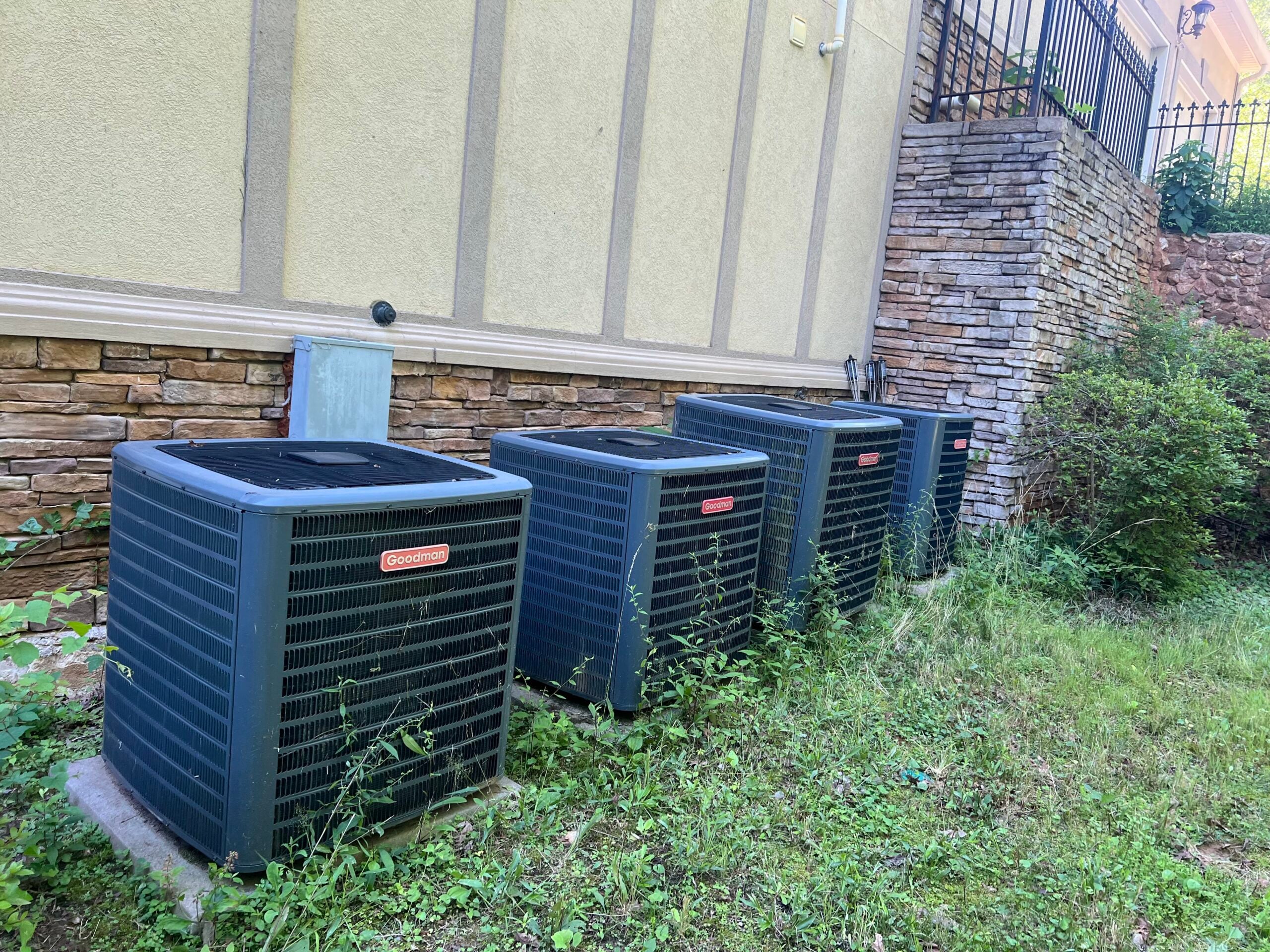
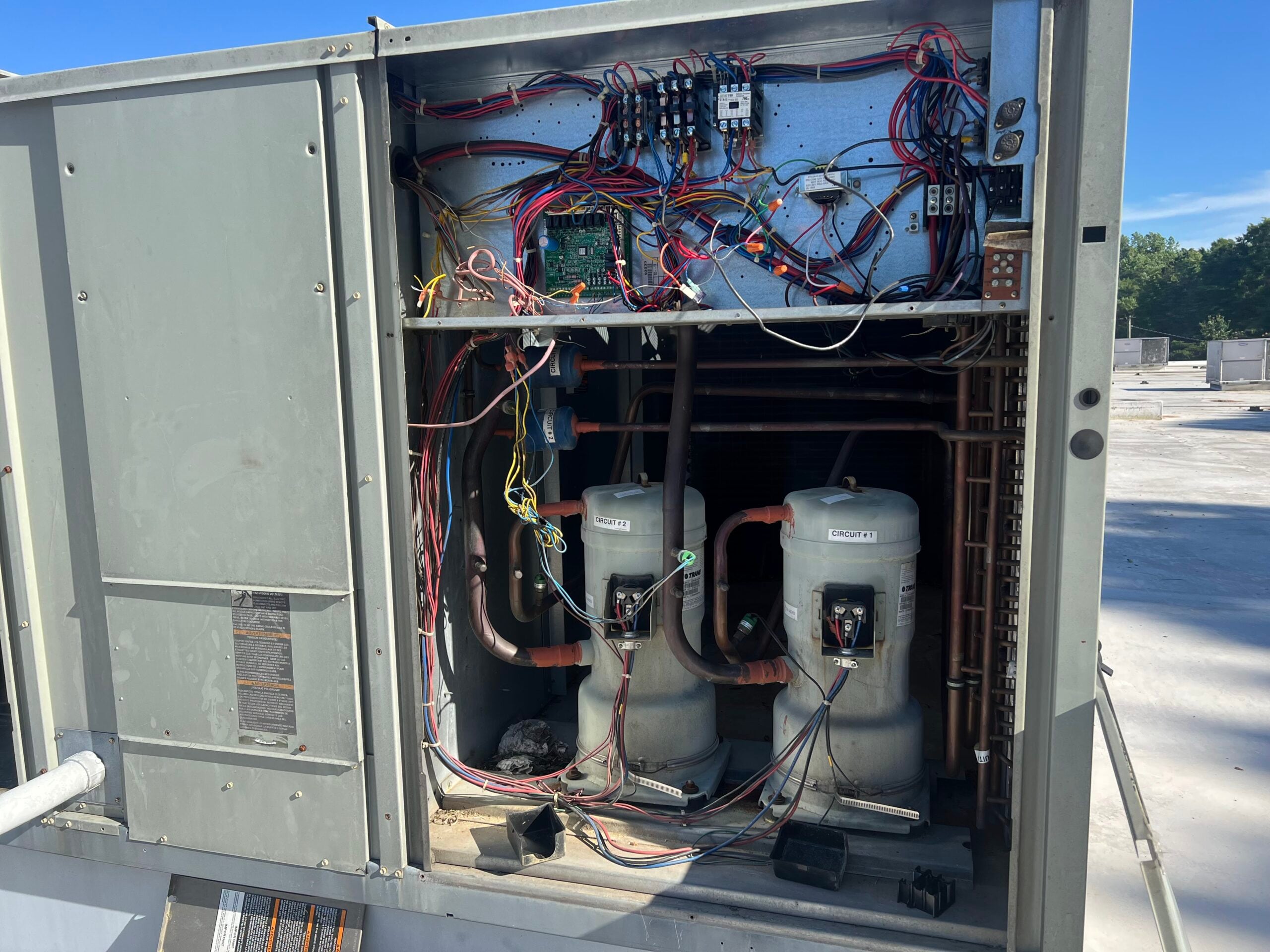
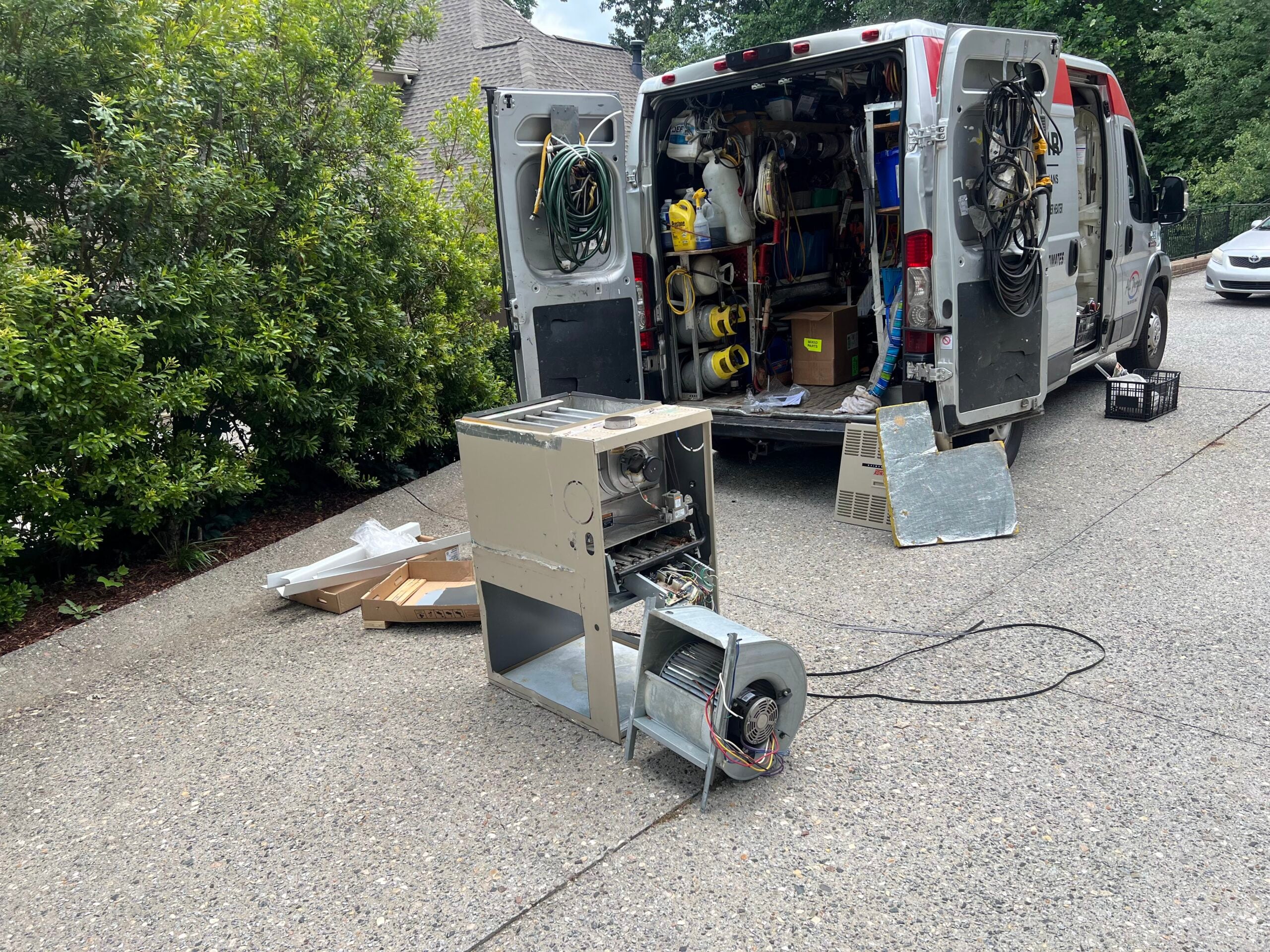
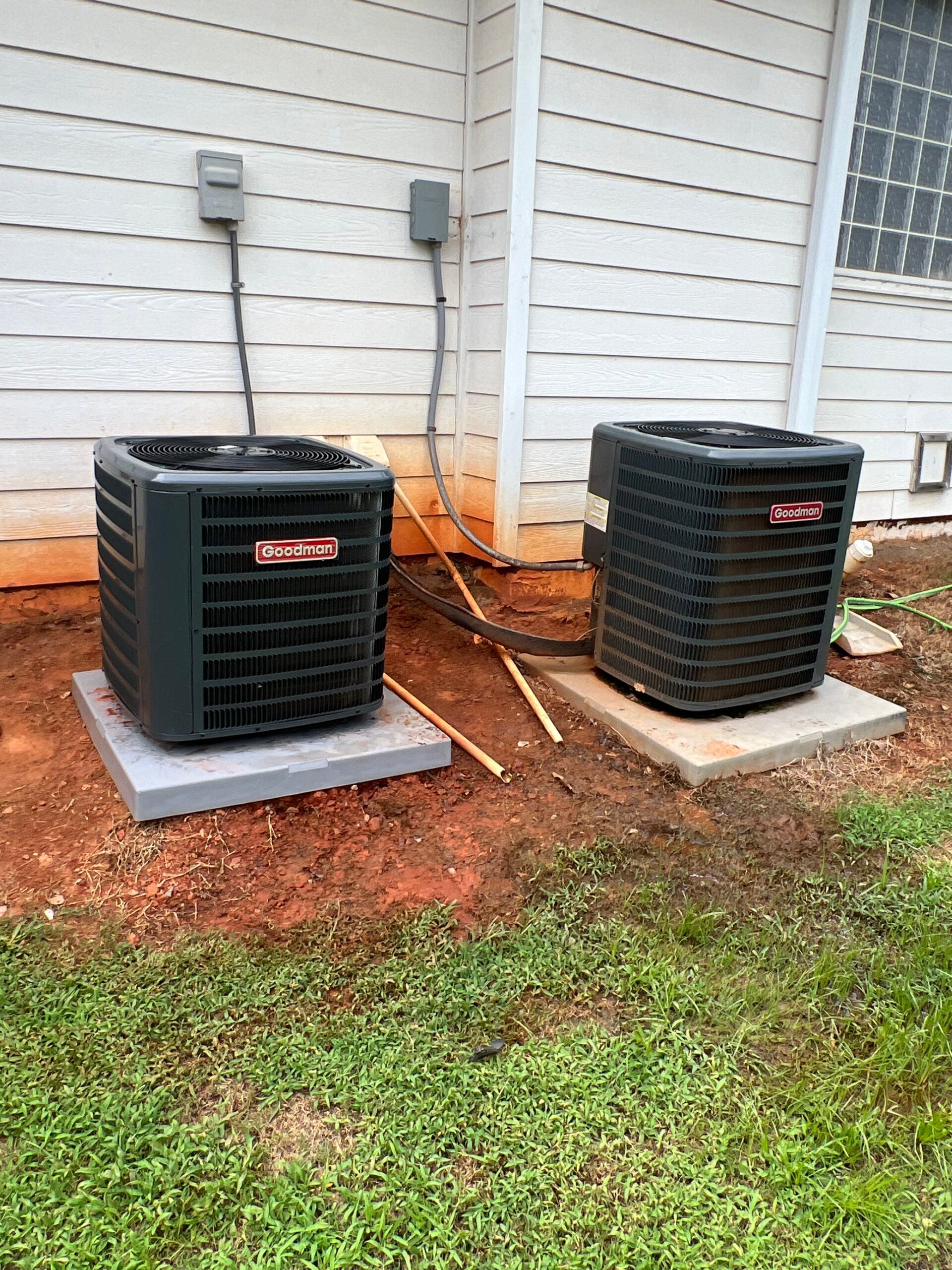
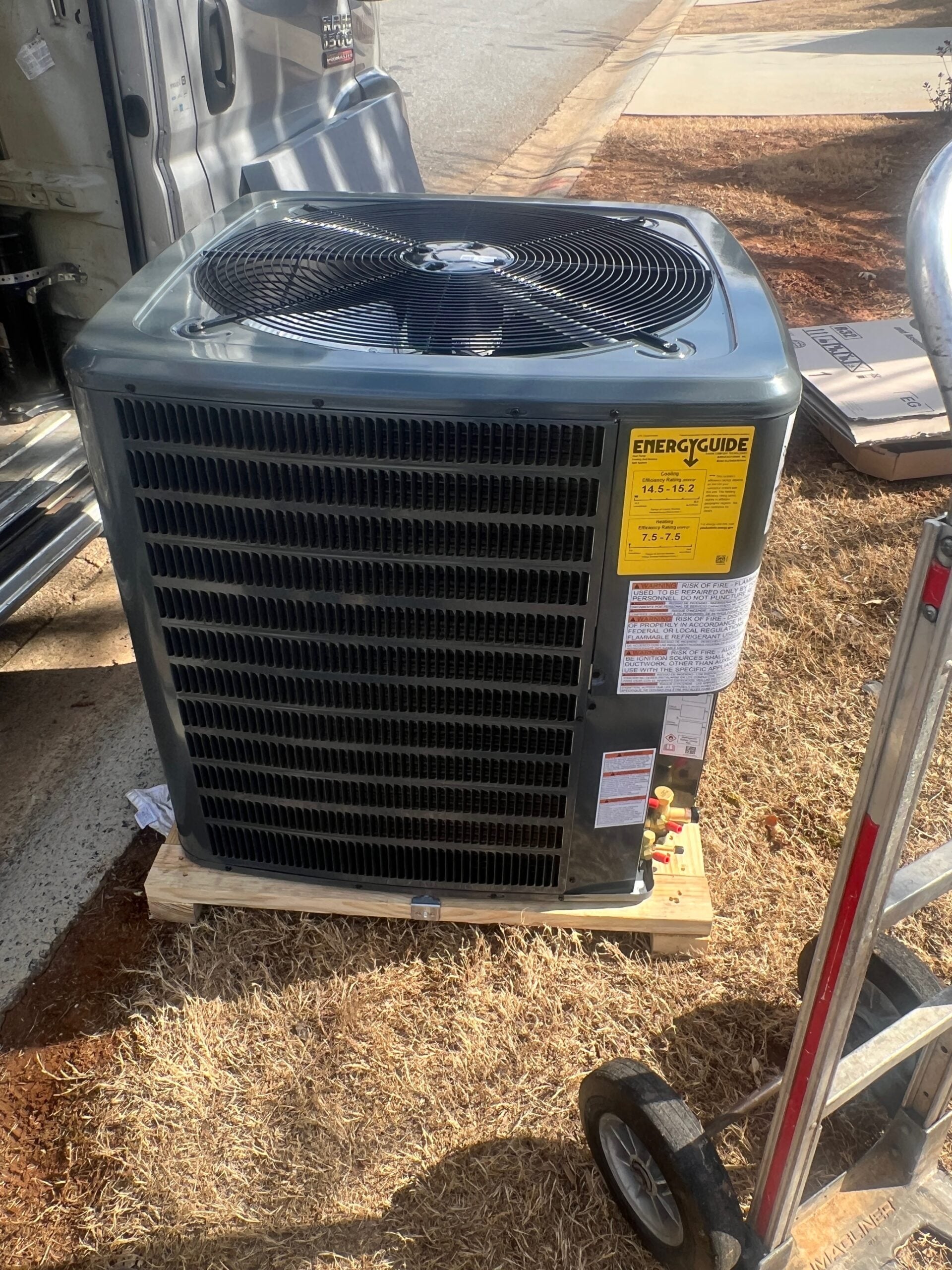
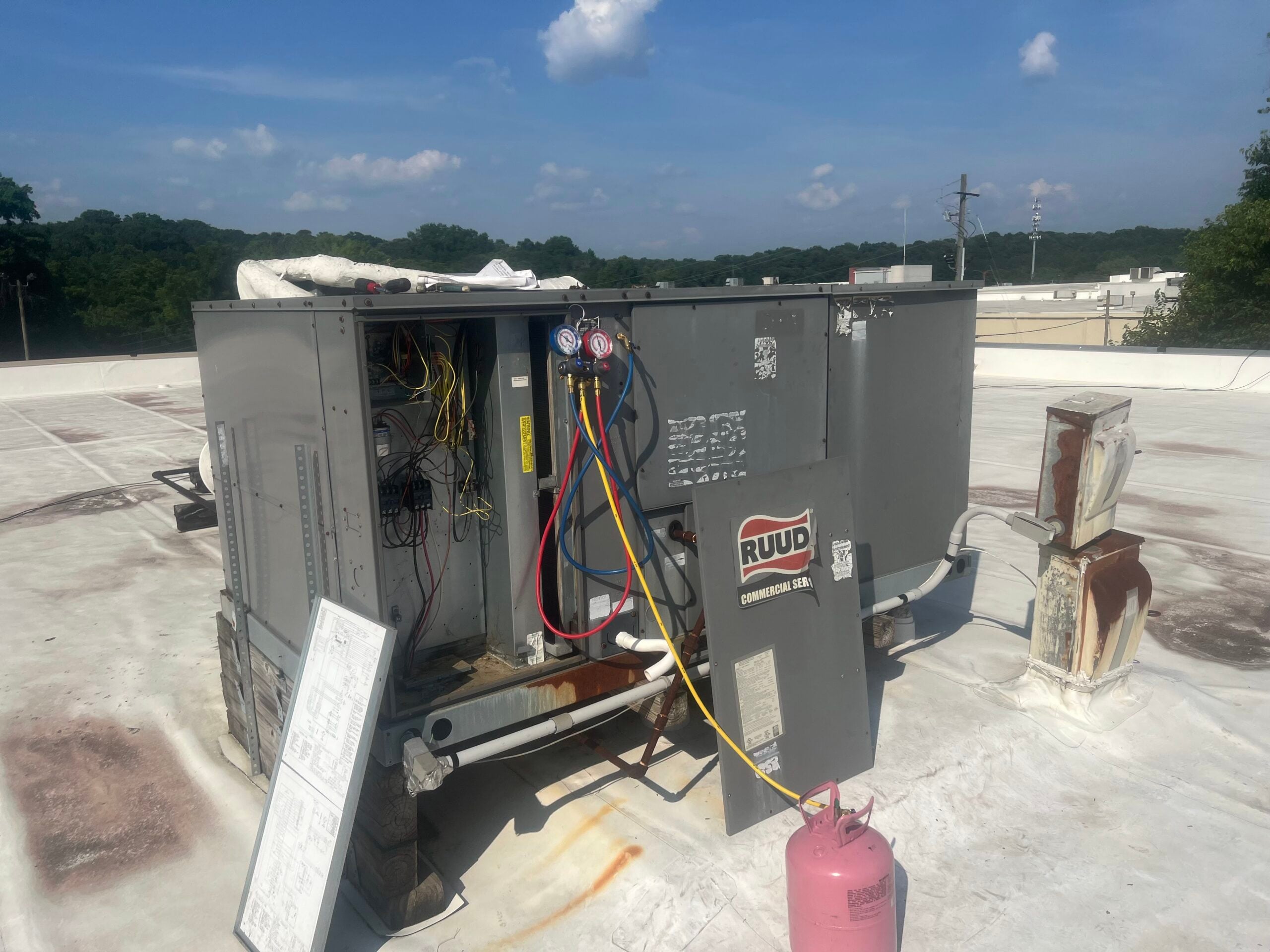
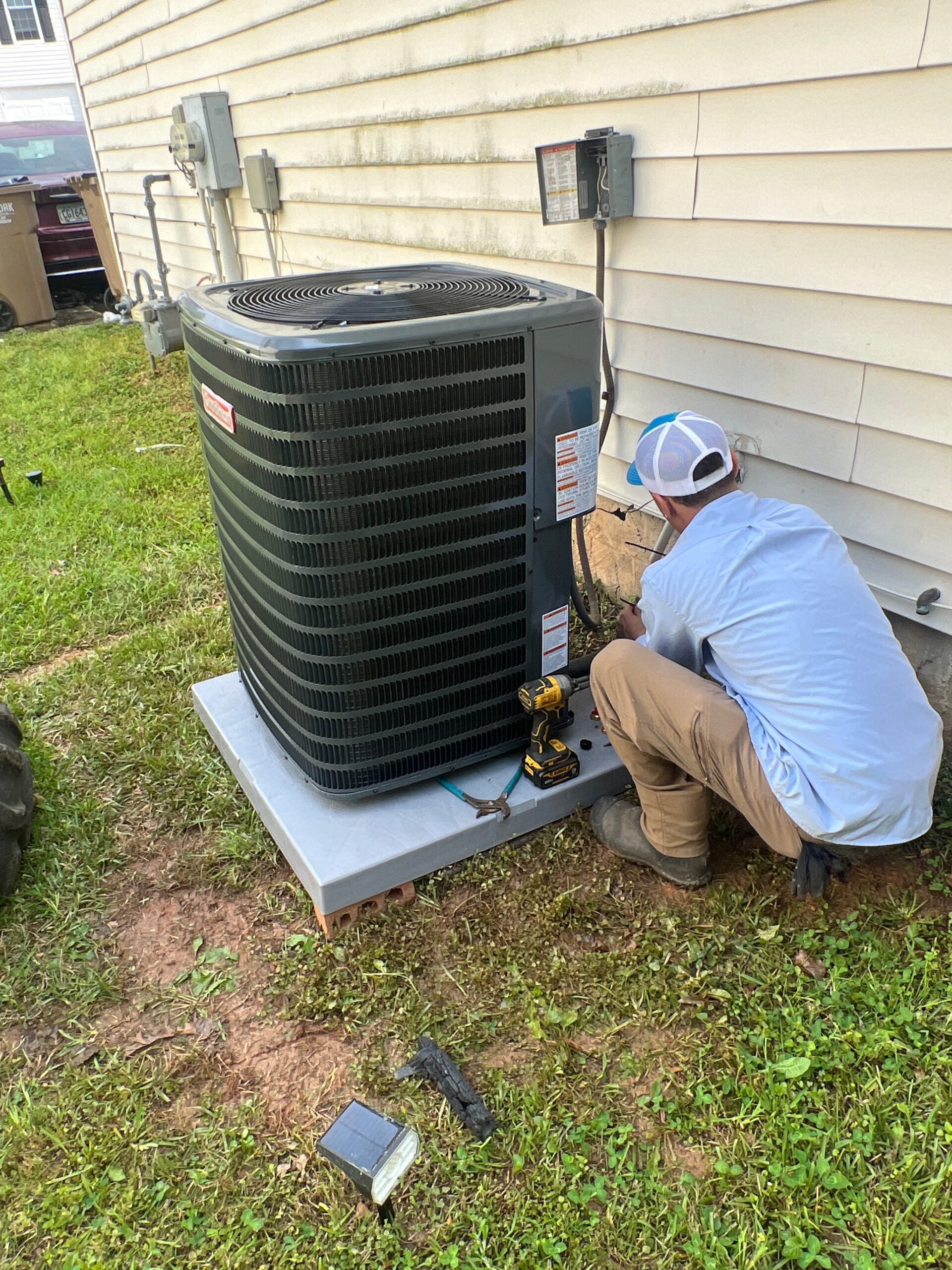

AC installation is often the right call, but it is not always the first one. If your system is younger and the problems are limited to a single component, a repair may be the better move. Our AC repair service in Alpharetta covers diagnostics, refrigerant issues, electrical faults, and mechanical failures on existing equipment, so you have a real comparison before you commit to a full replacement.
If you want to see the full picture of what we do in this area, including heating service, maintenance, and the rest of our HVAC work, our Alpharetta HVAC service page covers all of it in one place.
And if you are already sure a new system is what your home needs, our AC installation service page walks through the full scope of what a replacement involves, the equipment decisions you will face, and how financing on a complete system works.
We run crews in Alpharetta and across the north metro every week, roughly 30 minutes up GA-400 from our Atlanta base. Whether you are in a 1990s subdivision near Webb Bridge, a newer build closer to the Avalon area, or anywhere in between, we can get to you without a long wait. Give us a call or request your estimate and we will get you on the schedule.
+