AC repair in Alpharetta, GA is the process of diagnosing and fixing a failed or underperforming central air conditioning system so it cools your home reliably again. When your system blows warm air, short cycles, or stops working entirely during a Georgia summer, a licensed technician identifies the specific fault, makes the repair, and tests the full cooling cycle before leaving.
Alpharetta sits on the north side of the metro, and the climate here is harder on cooling equipment than many homeowners expect. Summers are long, humid, and relentless, and the system runs for months without a real break. That sustained load wears components down faster than the calendar suggests it should.
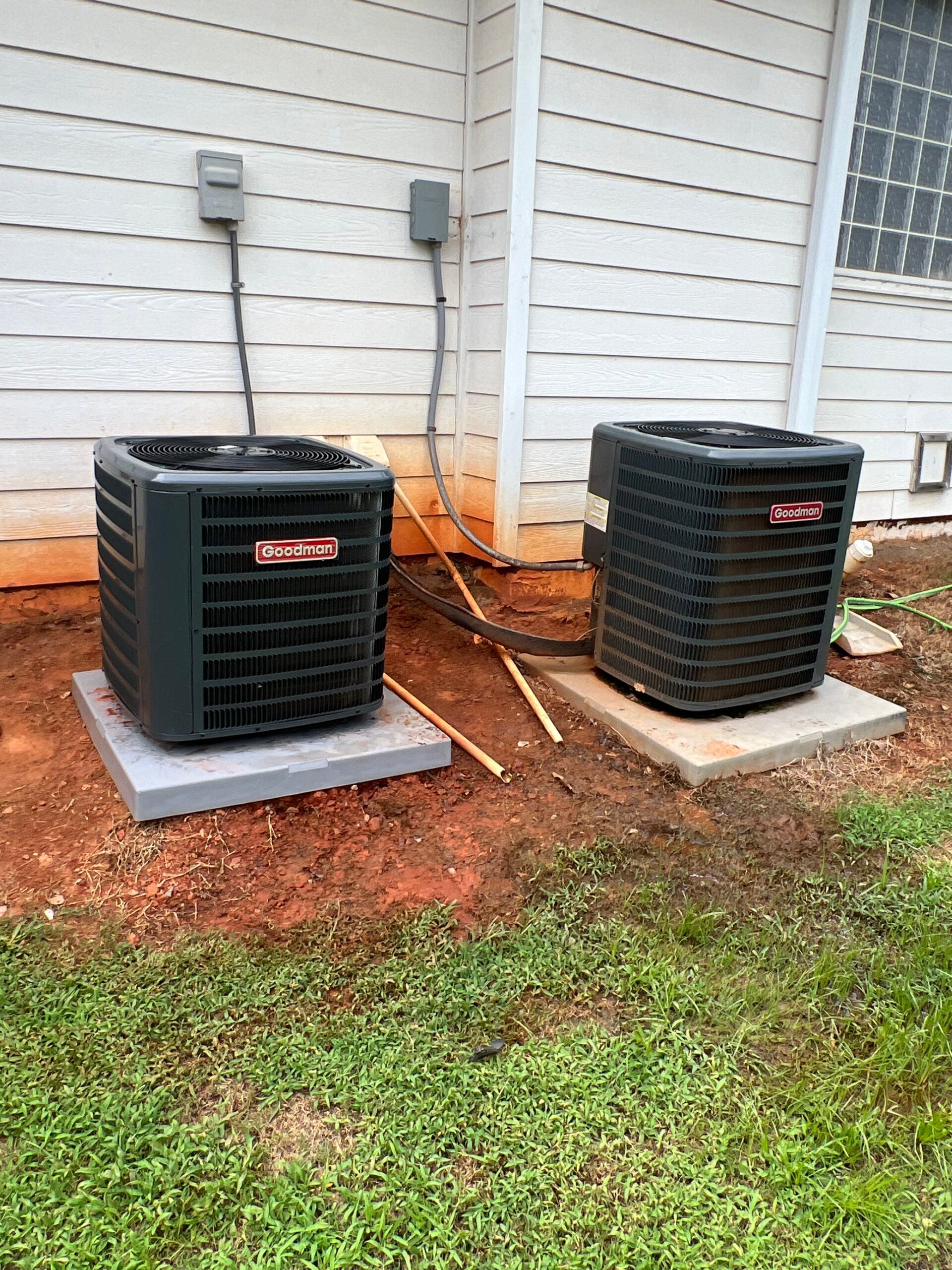
A large portion of the housing stock in neighborhoods like Windward and along Haynes Bridge was built in the 1980s and 1990s with builder-grade equipment. Those systems are now well past their typical service life, and we see the effects every summer: refrigerant leaks, failing capacitors, and ductwork that was never sealed properly to begin with. Newer construction near Avalon and toward the Milton border brings its own set of sizing and commissioning questions.
All Purpose Heating and Air Conditioning runs north on GA-400 to Alpharetta and the surrounding communities every week. When your AC goes down, you are not waiting on a crew that treats this area as a special trip.
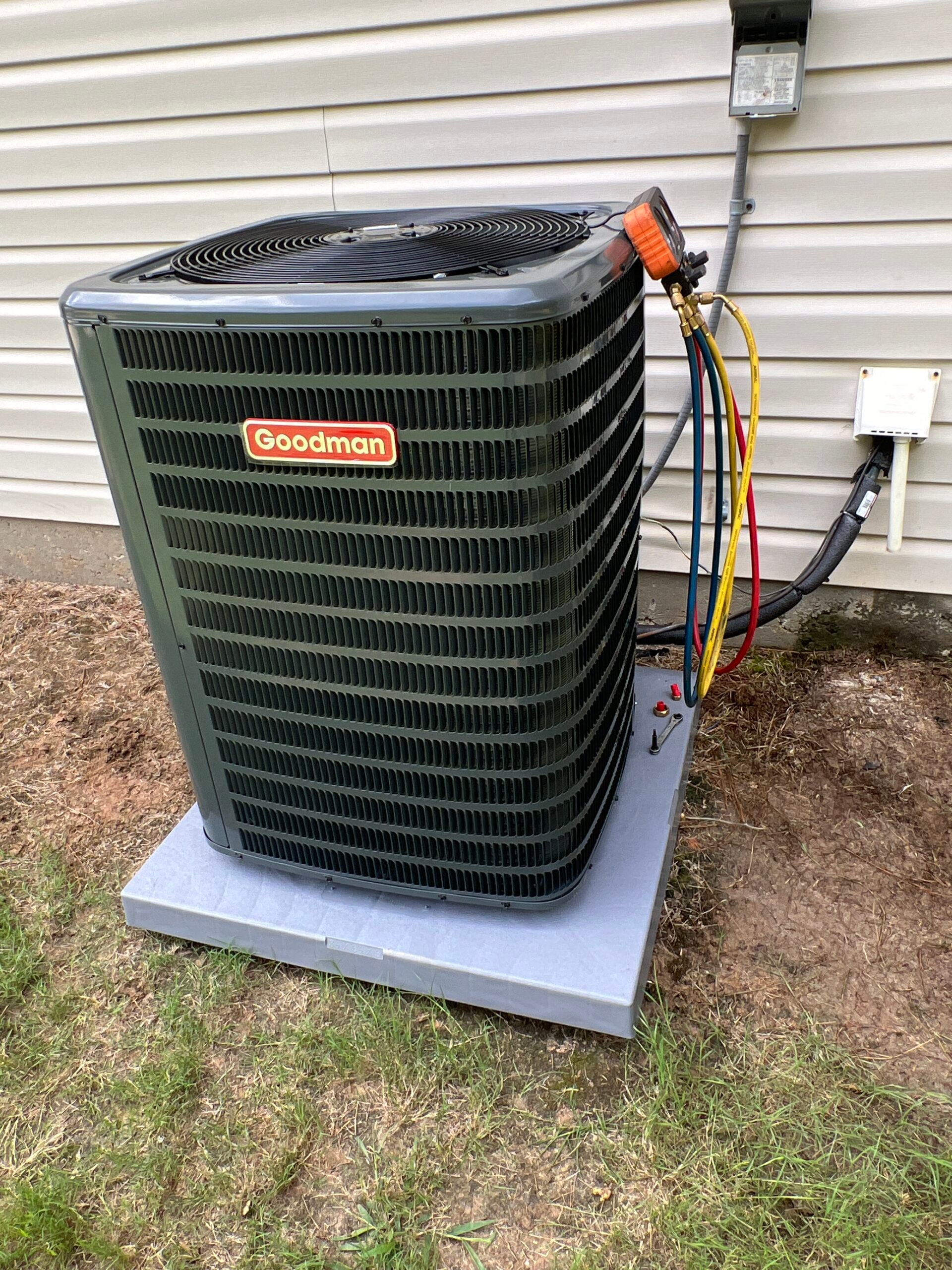
Some problems announce themselves loudly. Others creep up slowly until the house is 82 degrees and the system is running constantly without making a dent. Here are the specific symptoms that tell you something is wrong and needs attention.
Warm air from the vents. If the blower is running but the air coming out is not cold, the system has lost its ability to move heat out of your home. A low refrigerant charge, a failed compressor, or a dirty condenser coil are the usual causes. In Alpharetta’s humid summers, a system that runs but never cools will also pull moisture poorly, making the house feel sticky even if the temperature drops a little.
Short cycling. The unit kicks on, runs for a minute or two, shuts off, and repeats. This puts enormous wear on the compressor and usually points to a refrigerant issue, an oversized system, or an electrical fault. Oversizing is something we see in some of the larger newer homes near Avalon, where a system was specified too big for the actual load.
Ice on the refrigerant line or water around the indoor unit. Ice forms when airflow is blocked or refrigerant is low. When that ice melts, it can overflow the condensate drain pan and cause water damage. Neither is a situation to watch and wait on.
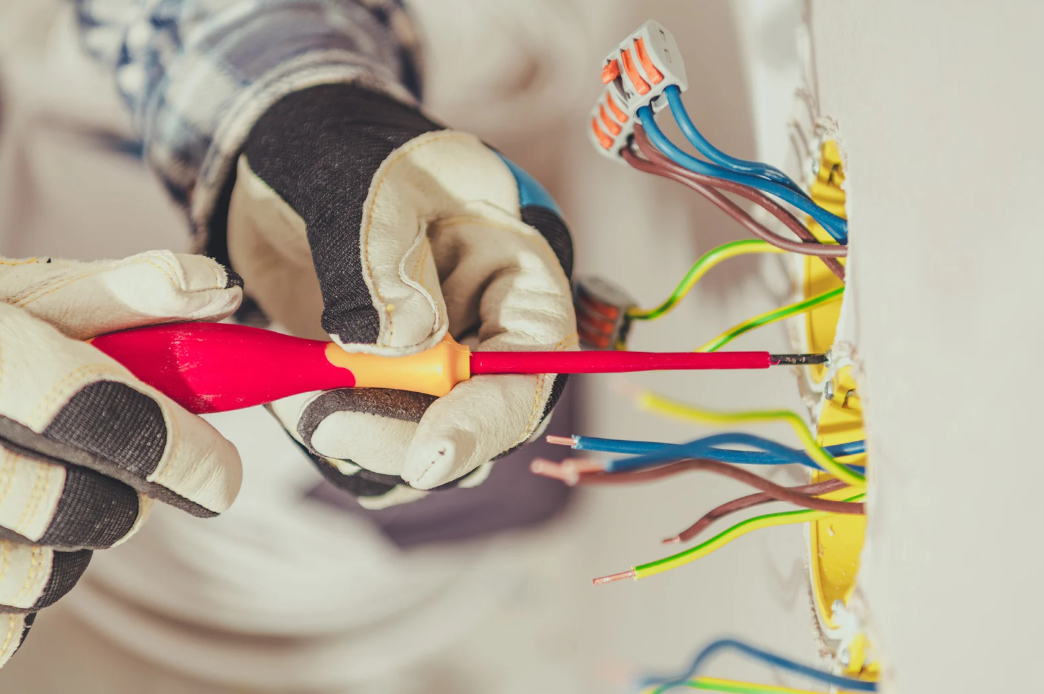
A breaker that trips when the AC starts. This usually points to a failing capacitor, a compressor drawing too many amps, or a wiring problem. It is an electrical symptom with an HVAC cause, and it needs a technician, not a reset.
Any of these is worth a call. Request your estimate and we will tell you exactly what is going on.
We do not guess. Every repair call starts with a real diagnosis so we are fixing the actual problem, not swapping parts until something works.
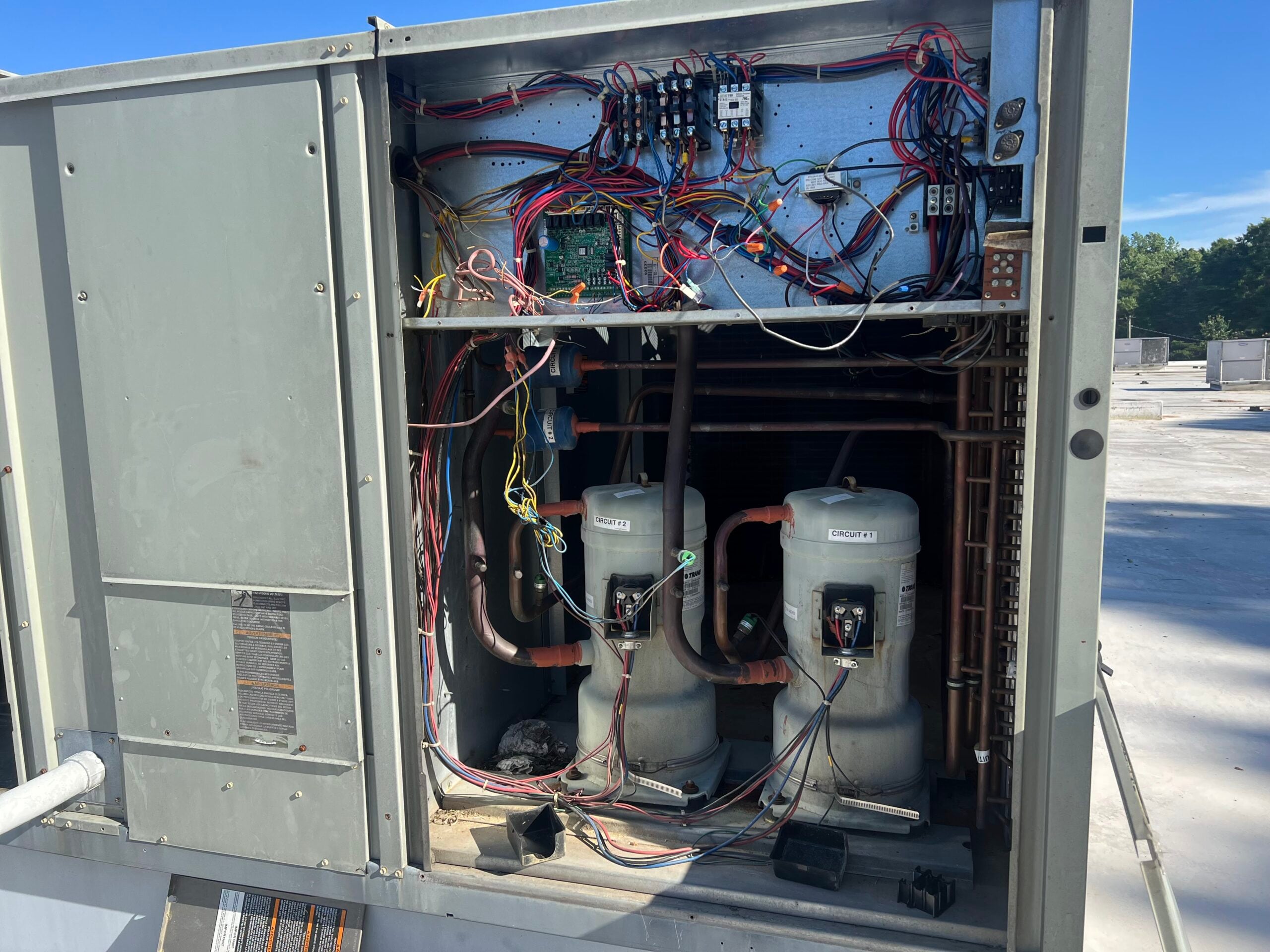
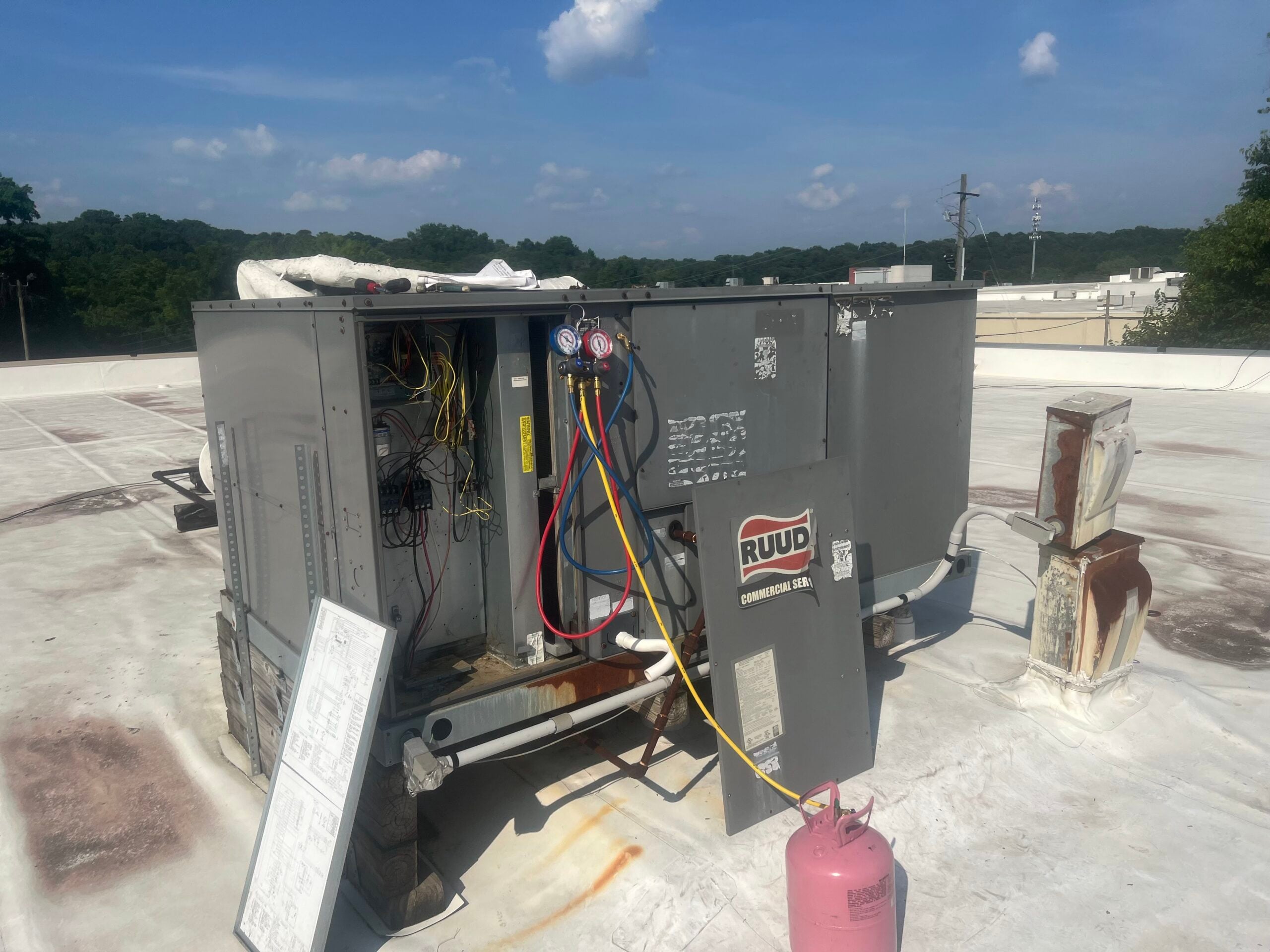
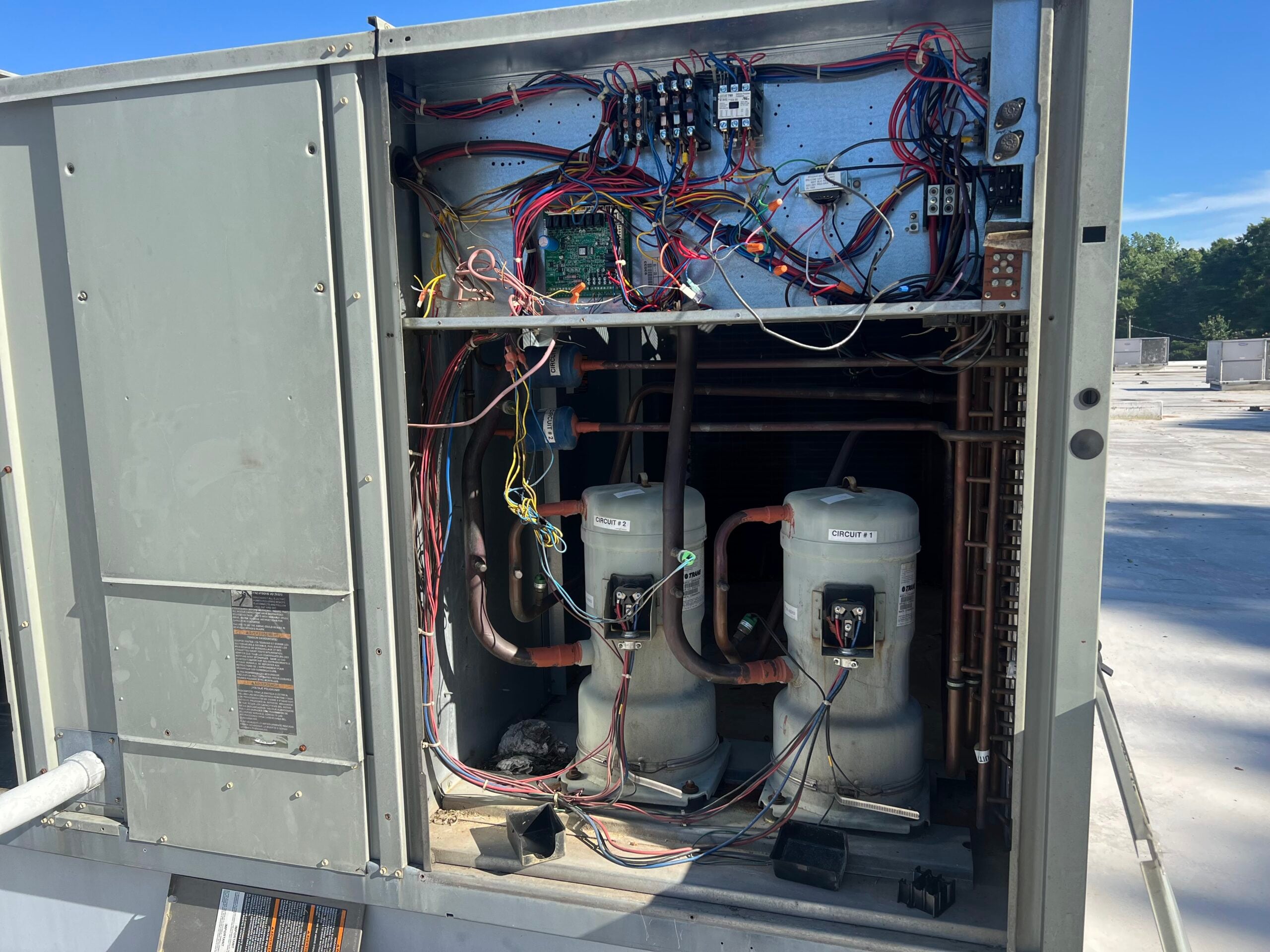
Diagnosis first. The technician checks the thermostat, the air handler, the condenser unit, and the electrical components to find the specific fault. We look at capacitors, contactors, the blower motor, and the refrigerant pressures. On older systems common in Windward-era subdivisions, we also check the ductwork for leaks that could be starving the system of return air and masking themselves as a cooling problem.
Refrigerant charge and electrical checks. We verify the refrigerant charge against the manufacturer’s specification. If the system uses an older refrigerant type, that affects both the repair approach and the cost. Electrical components get tested under load, not just visually inspected.
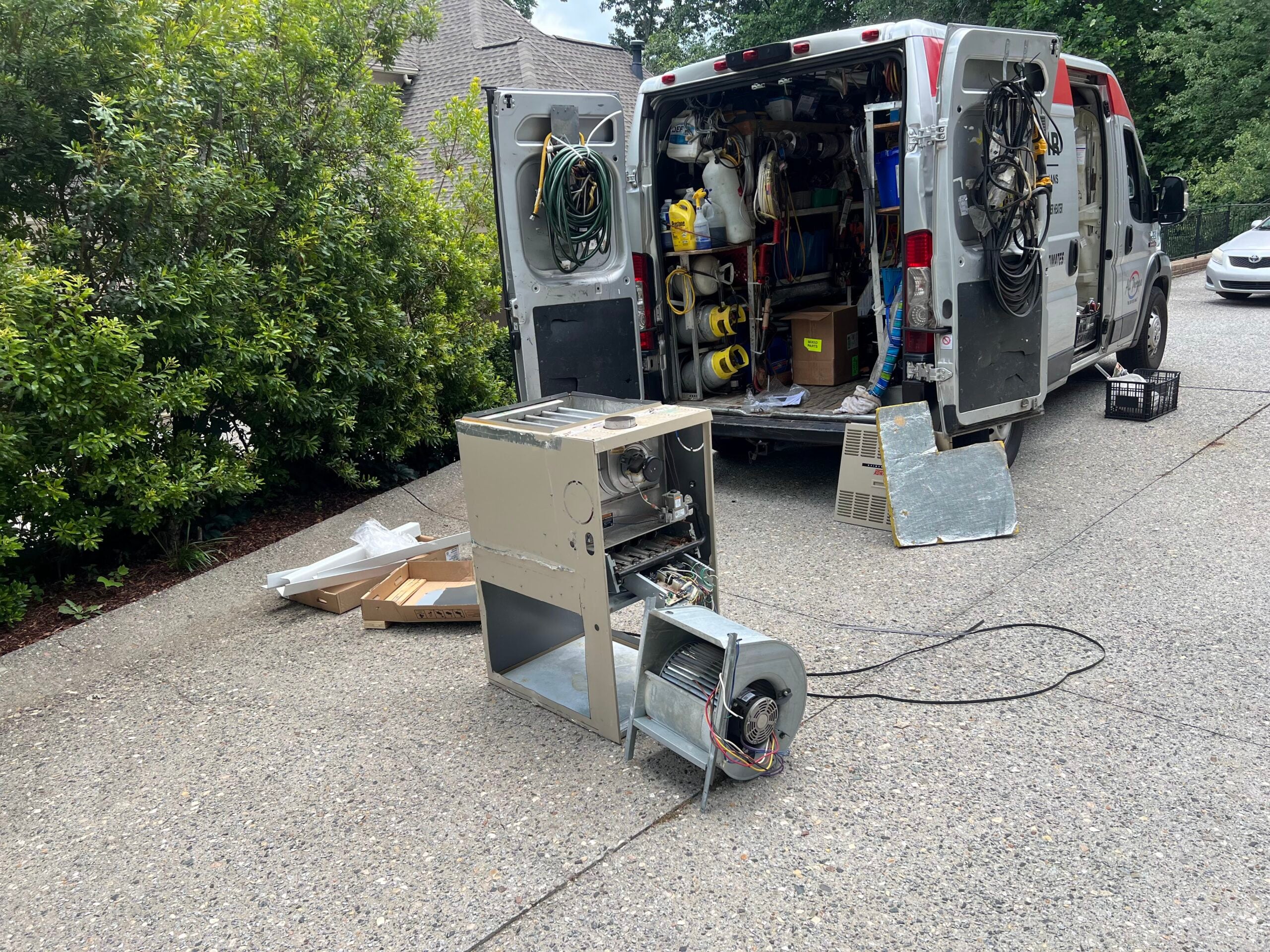
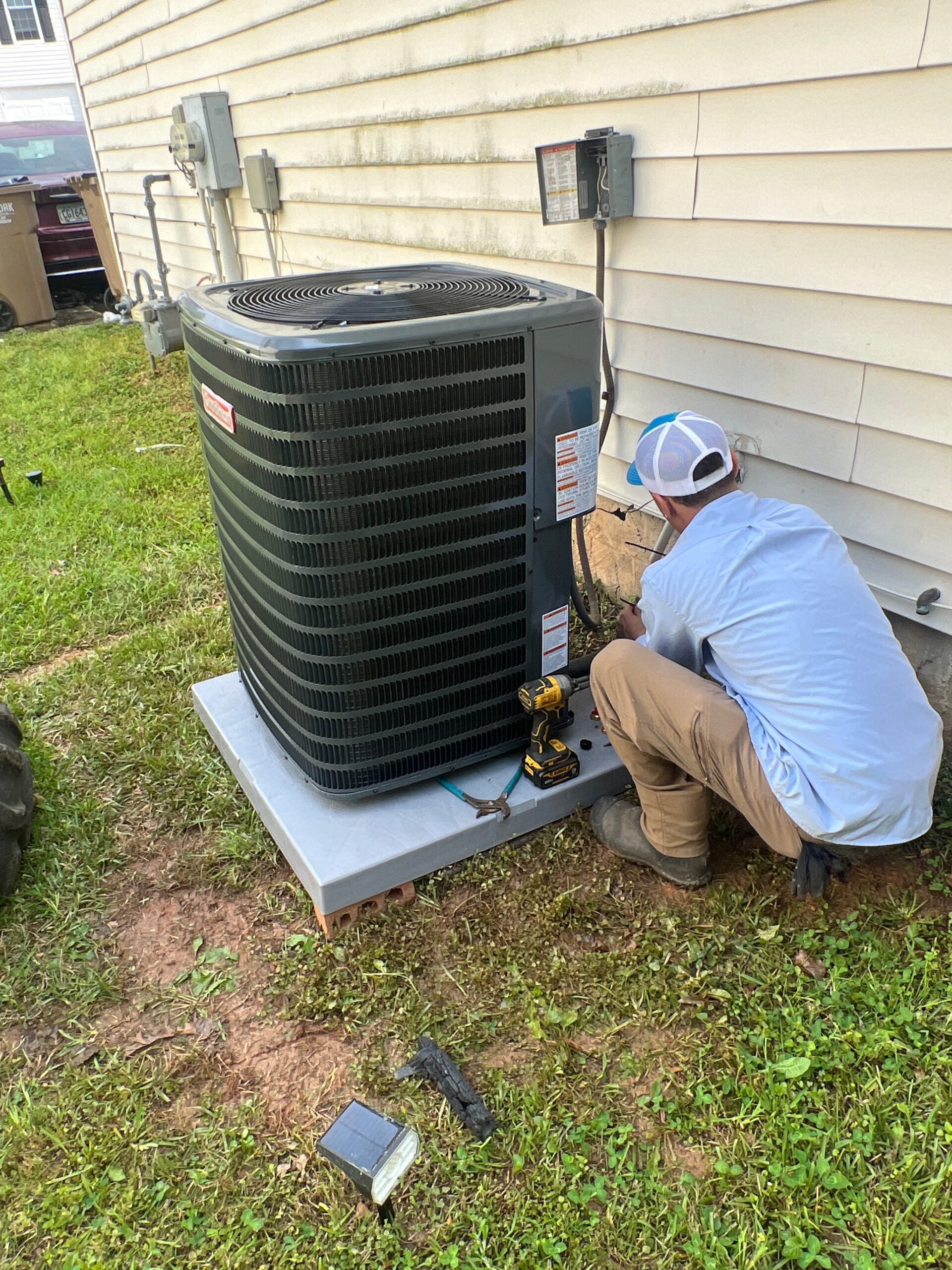
Repair or part replacement. Once we know what failed, we make the repair. Common replacements include capacitors, contactors, fan motors, and refrigerant recharge after a leak is sealed. We carry common parts on the truck.
Full cooling cycle test. After the repair, we run the system through a complete cycle and confirm the supply air temperature, the refrigerant pressures, and the airflow are all within spec. We do not call the job done until the system is actually cooling.
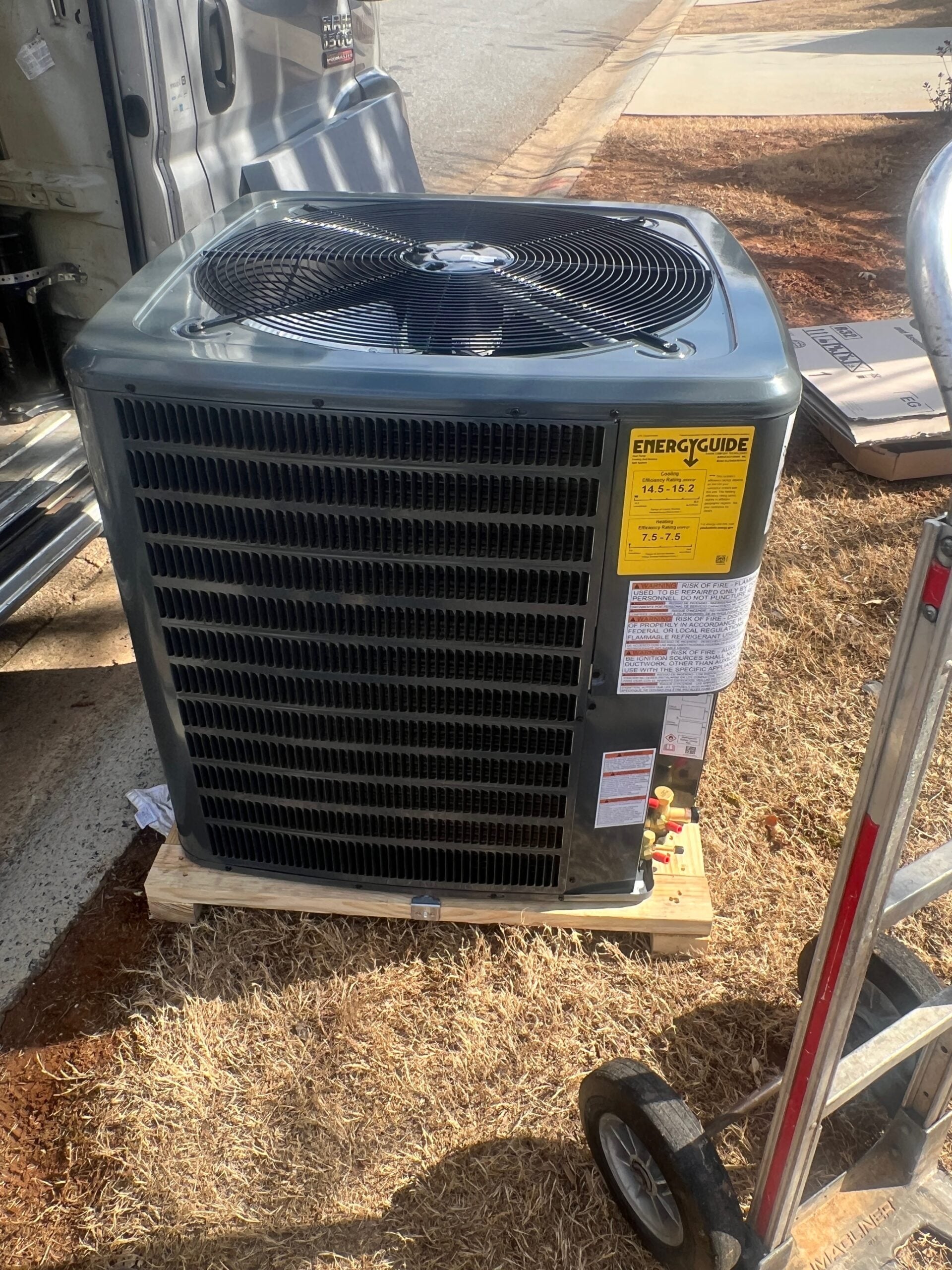
A straight answer on repair versus replacement. If the system is old, the failed component is expensive, or the refrigerant type is being phased out, we will tell you. What drives the cost of any repair is the failed component itself, the refrigerant type and how much charge was lost, the age and overall condition of the system, and how accessible the unit is. Request your estimate and you will have a real number before any work begins.

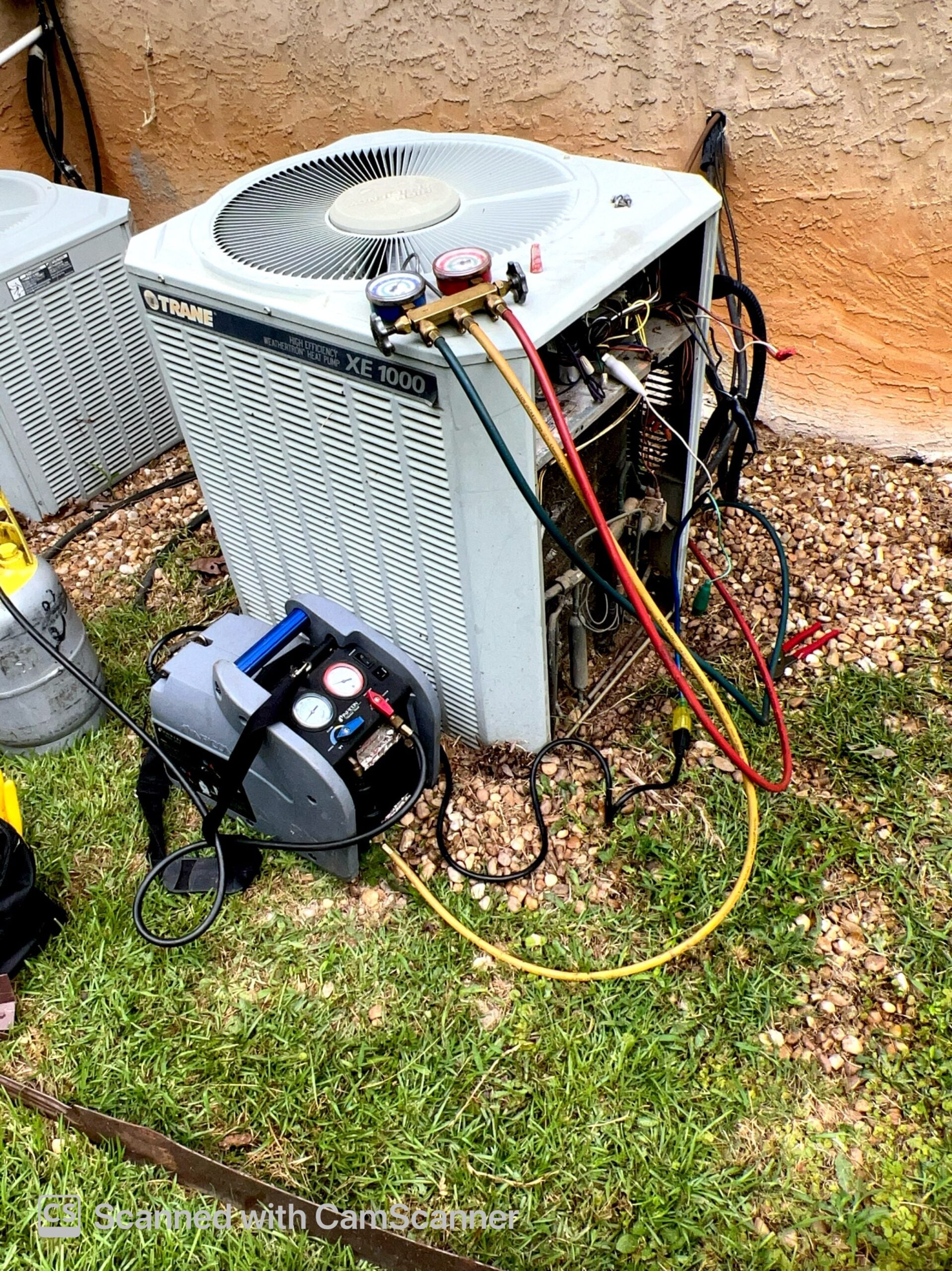
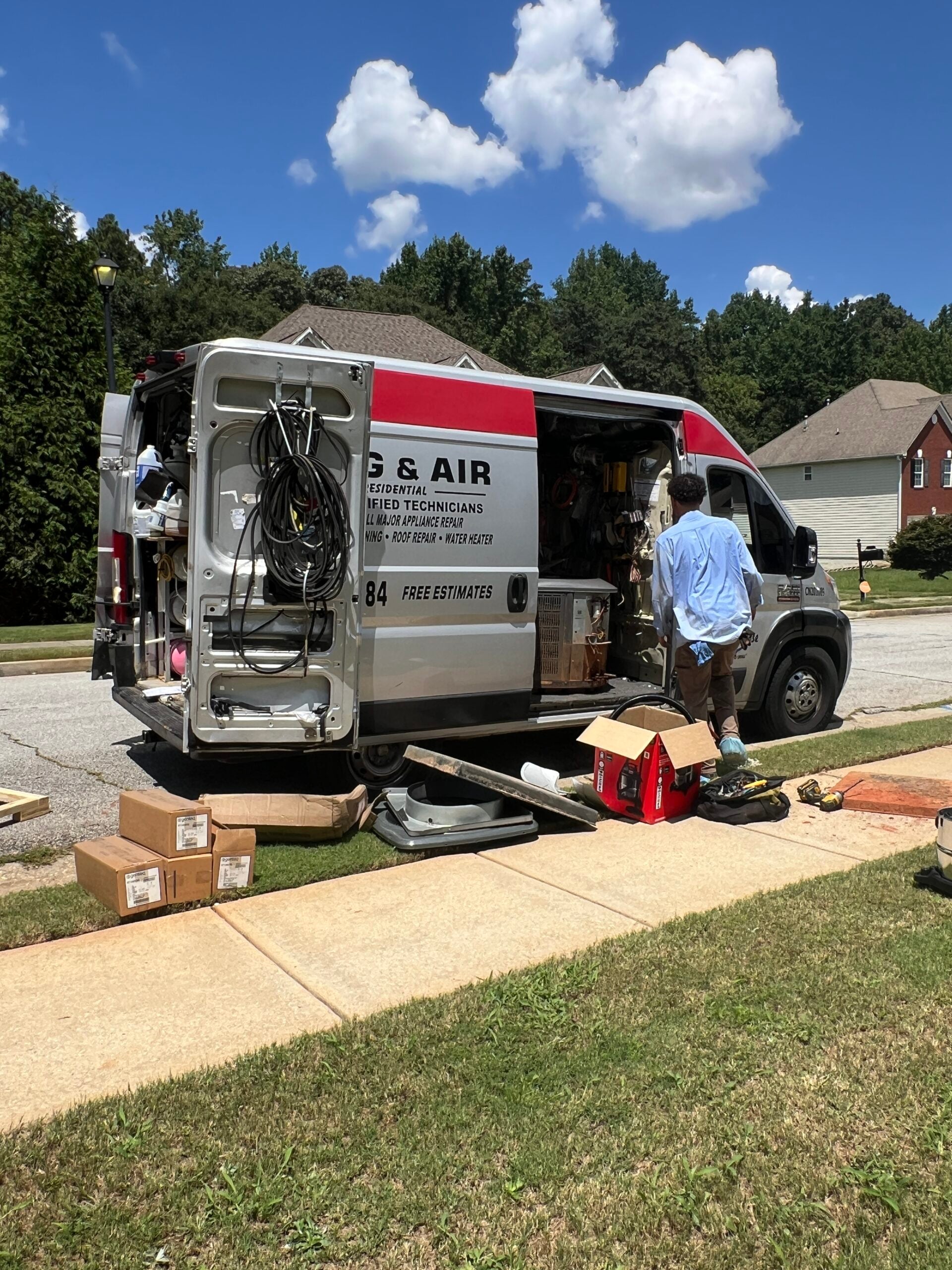
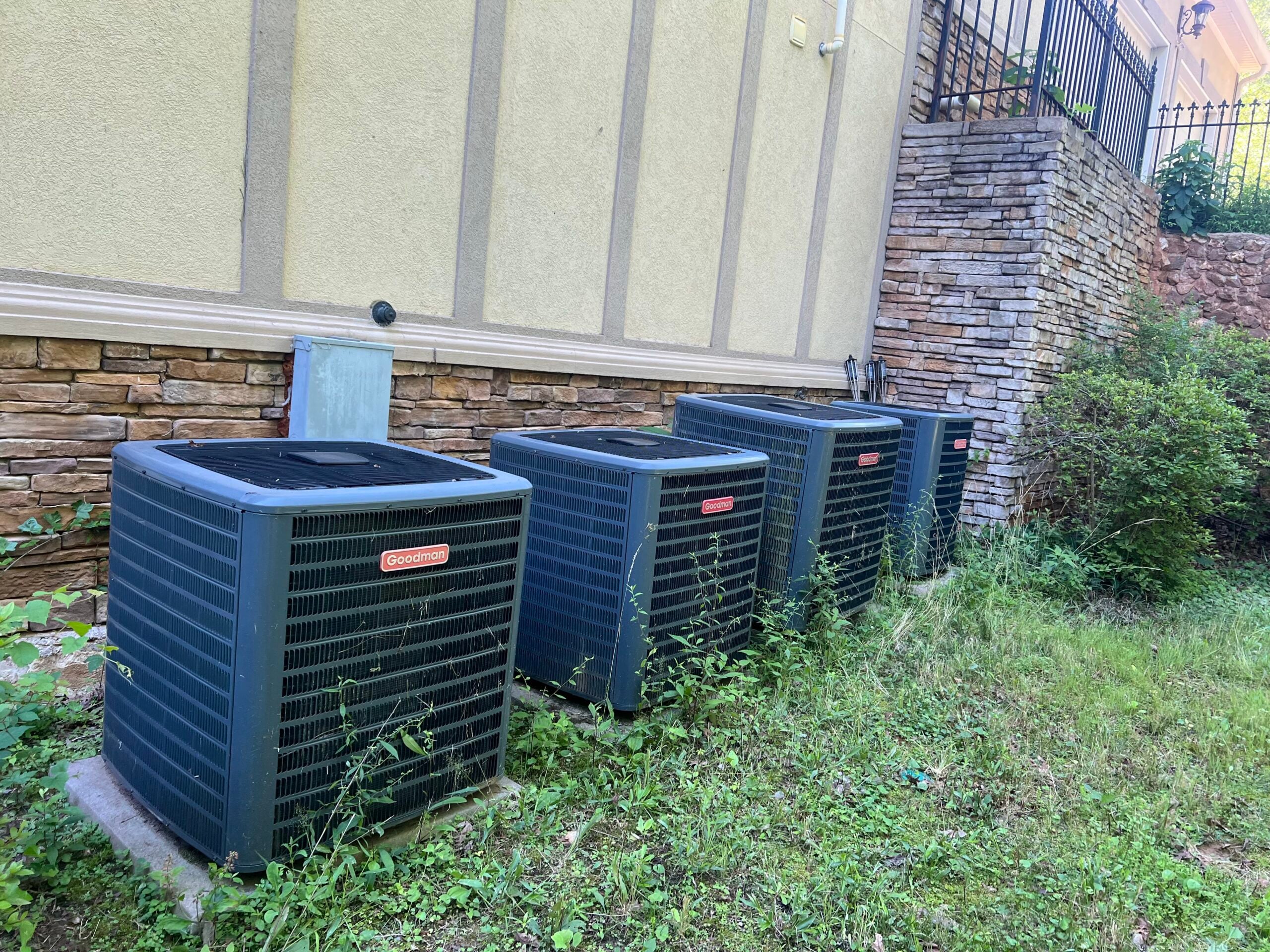
AC repair is often the most urgent call, but it is rarely the only thing a system needs. Here is where to go next depending on what you are dealing with.
If you want a full picture of what we do in this area, including seasonal tune-ups, system replacements, and ductwork, our Alpharetta HVAC services page covers all of it. That is a good starting point if you are not sure whether you need a repair, a tune-up, or a full replacement conversation.
If you want to read more about how we approach air conditioning repairs specifically, what we check, what we carry, and what the process looks like from start to finish, the AC repair service page goes deeper on the technical side.
And if your heating system is the concern, especially heading into fall when Alpharetta’s cooler nights on the north side of the metro can catch homeowners off guard, our Alpharetta furnace repair page covers what to watch for and how we handle heating calls in this area.
All Purpose Heating and Air Conditioning handles all of it. One company, one call, and a crew that is already working the north metro every week. Get on the schedule and we will take it from there.
+