Leak detection and pipe repair in Alpharetta, GA means locating a water leak, whether it is hidden inside a wall, under a slab, or buried in a yard, and restoring the pipe so the problem stops. All Purpose Heating & Air Conditioning uses pressure testing and detection tools to find the source before any digging or cutting begins, then repairs or replaces only what needs to go.
A lot of Alpharetta homes were built during the 1980s and 1990s, particularly in subdivisions throughout Windward and along Haynes Bridge Road. The builder-grade galvanized and polybutylene pipe installed during those years is now well past its expected service life. Polybutylene in particular becomes brittle over time and fails without much warning. If your home was built before the mid-1990s and has never had a repipe, the pipes themselves may be the issue, not just a single joint or fitting.
North Fulton County’s red clay soil also plays a role. Clay expands when it absorbs water and contracts when it dries out, and that constant movement puts stress on underground supply lines and drain pipes. Add in the tree roots that follow moisture along Big Creek Greenway corridors and into residential lots throughout the area, and you have a combination that keeps plumbers busy year-round.
All Purpose Heating & Air Conditioning has been locally owned and operating for more than 35 years. We run calls in Alpharetta every week, about 30 minutes north of our Atlanta base via GA-400, so we know what these homes are built with and what tends to go wrong with them.
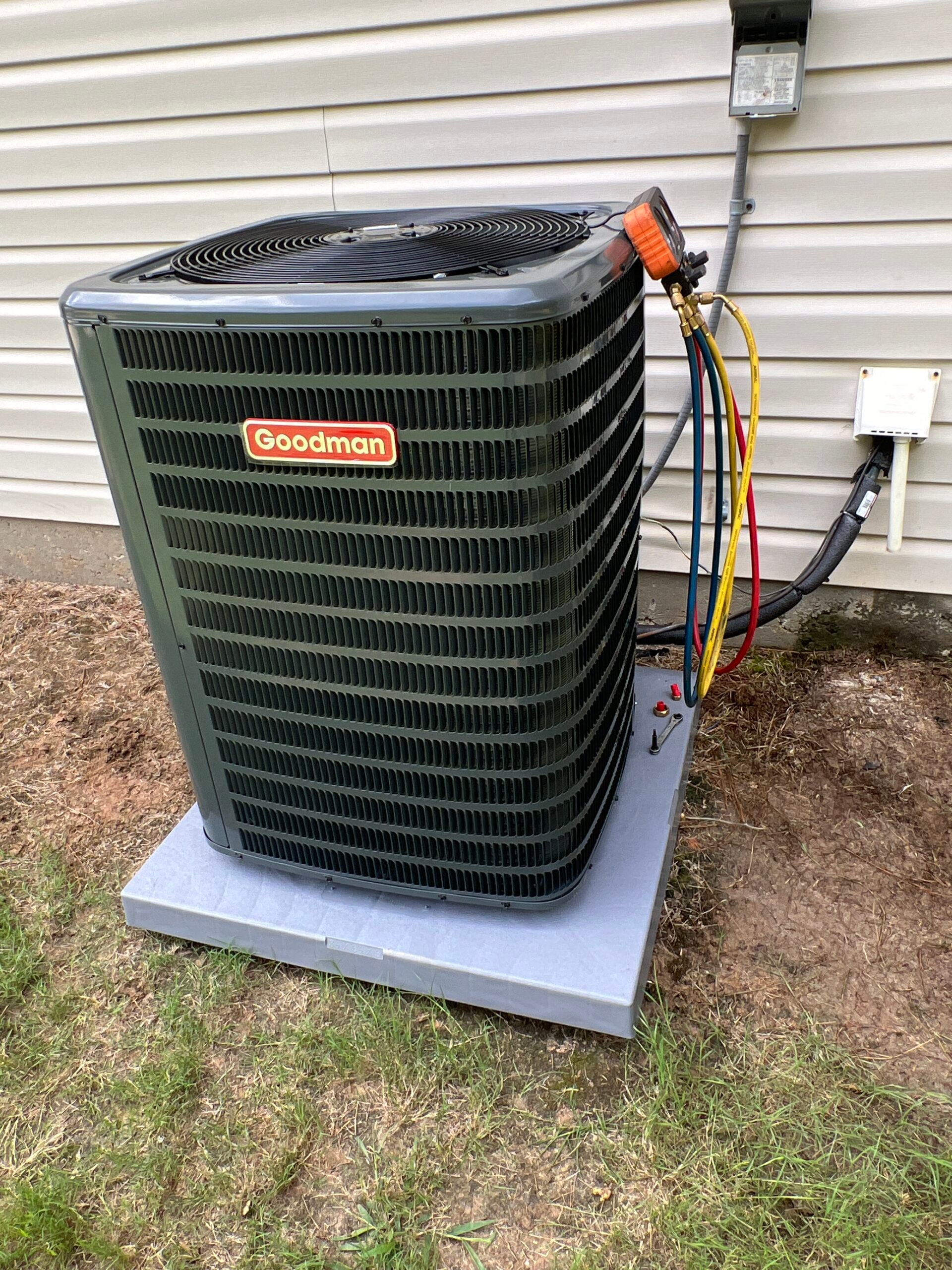
Some leaks announce themselves. Others hide for months and show up first on your water bill. Here are the signals worth taking seriously.
A water bill that jumped with no explanation. If your usage habits have not changed but the bill has, water is going somewhere it should not. Pull your meter reading, turn off everything in the house, and watch the meter dial for a few minutes. If it moves, you have a leak running somewhere right now.
Warm or soft spots on the floor. Slab construction is common in many Alpharetta subdivisions built during the 1990s. A hot water line leaking beneath a concrete slab will warm the floor above it. That soft or spongy feeling underfoot near a bathroom or hallway is not a flooring problem. It is a plumbing problem that is already damaging the slab.
Stains on ceilings or walls. A brown ring on drywall or a bubble in paint usually means water has been sitting there long enough to soak through. By the time you see it, the leak has been running for a while.
Low water pressure at fixtures. Pressure that used to be fine and is now noticeably weak can point to a supply line losing water before it reaches the faucet. In homes with older galvanized pipe, interior corrosion can restrict flow on its own, but a pinhole leak in the line produces the same symptom.
Alpharetta’s cooler winter nights on the north side of the metro also mean pipes in uninsulated exterior walls or crawl spaces are more exposed to freezing than homes closer to the city. A pipe that freezes and cracks may not show symptoms until it thaws. If you had a hard freeze and then noticed any of the above, do not wait to have it checked.
The first step is always finding the leak before touching anything. We use pressure testing to isolate which section of the system is losing pressure, then bring in detection tools to narrow the location without opening up walls or cutting into a slab blind. This part of the job matters. A leak that sounds like it is under the hall bathroom may actually be traveling along the pipe from a joint ten feet away.
Once we have a confirmed location, we open the smallest area possible. For a wall leak, that might mean removing a section of drywall. For a slab leak, it means a targeted cut rather than a trench across the floor. We explain what we found and what the repair requires before the work starts.
The repair itself depends on what we find. A single failed joint or pinhole in copper gets repaired at that spot. A longer section of deteriorated pipe, especially polybutylene or heavily corroded galvanized, usually gets replaced rather than patched, because patching one section of bad pipe tends to create another call in six months. After the repair, we pressure test the line again to confirm the fix holds before we close anything up.
What drives cost and timeline on this type of job: where the leak is located and how accessible it is, whether the pipe is in a wall, under a slab, or underground, the material being replaced, how much pipe needs to come out, and whether restoration work such as drywall or concrete repair is part of the scope. Request your estimate and we will walk through all of it with you before any work begins.

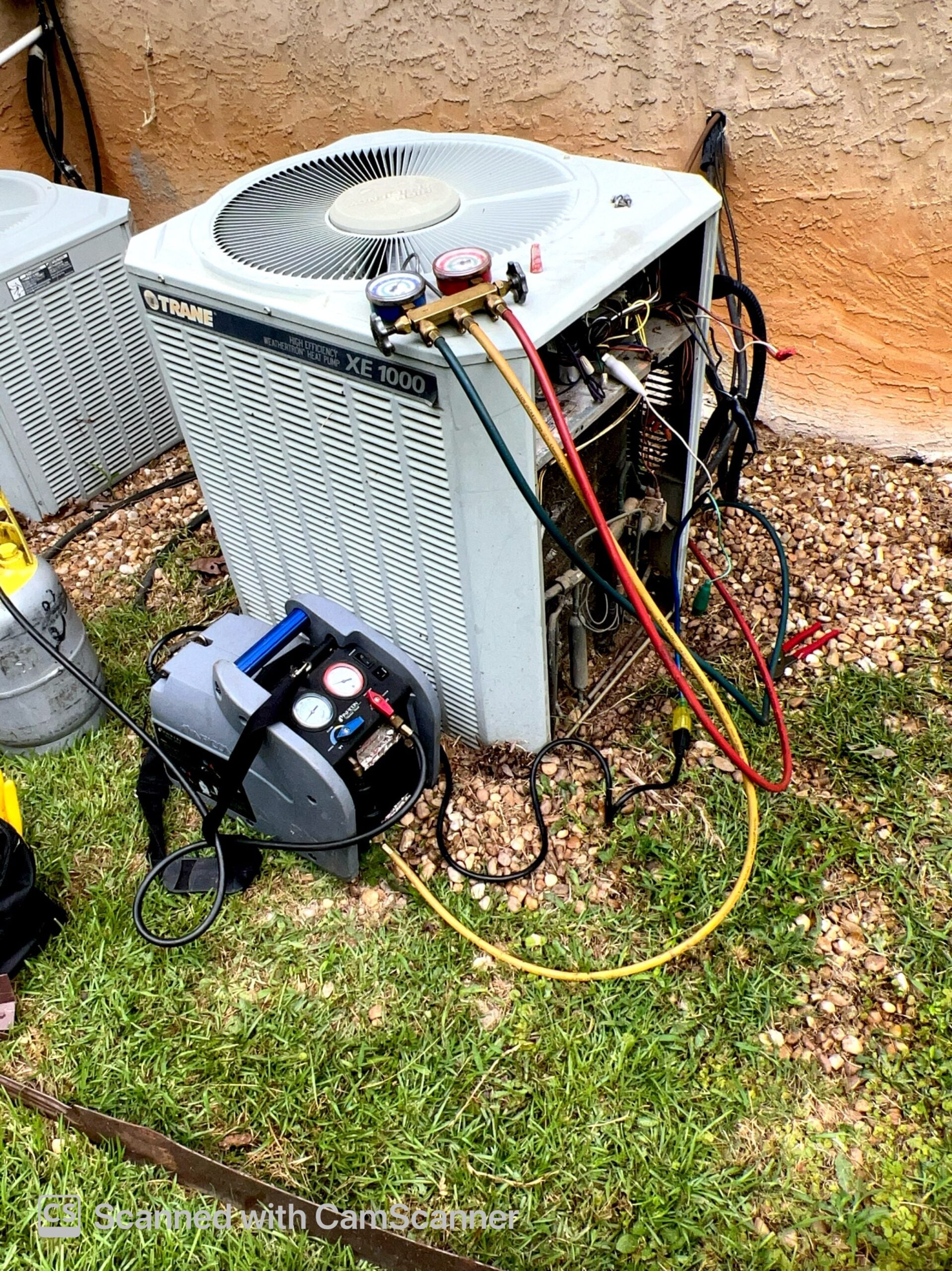
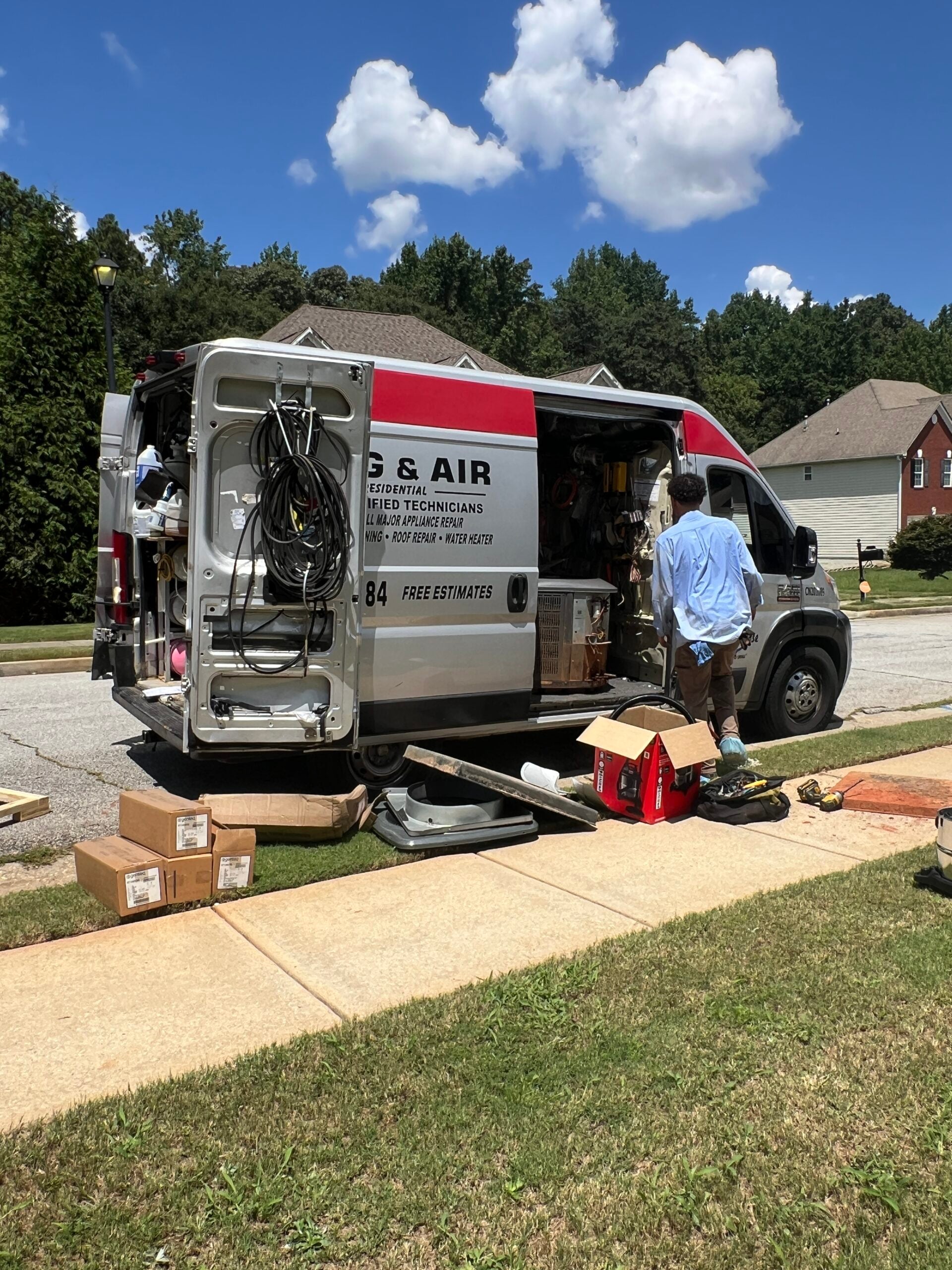
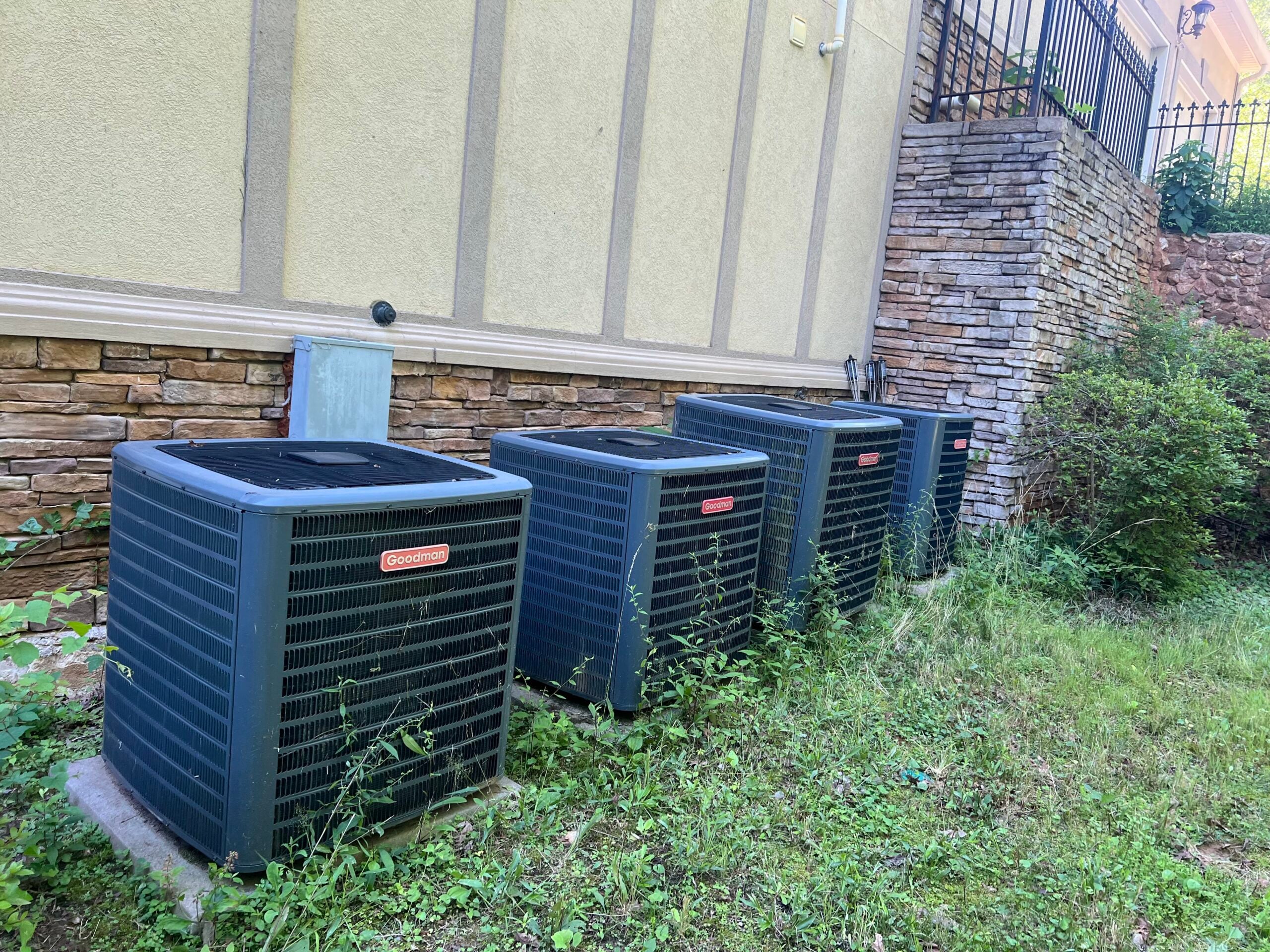
Leak detection and pipe repair is one part of what we handle for homeowners in Alpharetta and the surrounding communities. Whether the issue is a failing supply line in a Windward subdivision, a drain backing up near Crabapple, or a slab leak in a newer build near Avalon, we work this area regularly and know the housing stock well.
If you want a full picture of what we offer locally, our Alpharetta plumbing services page covers everything we handle for homeowners and commercial customers in this area.
For more detail on how leak detection and pipe repair works, what tools we use, and what the repair process looks like from start to finish, visit our leak detection and pipe repair service page.
Leaks in supply lines often go hand in hand with water heater problems, especially in homes where the tank and the connecting lines are both aging. If your water heater is running hard or showing signs of corrosion around the fittings, it is worth looking at both at the same time. Our Alpharetta water heater services page covers what we do there.
We serve Alpharetta along with Atlanta, Conyers, Peachtree City, Newnan, and McDonough. Give us a call or request your estimate and we will get you on the schedule.
+