Furnace repair in Newnan, GA means diagnosing and restoring a home heating system so it runs safely and reliably through Coweta County’s cold months. When a furnace loses ignition, short-cycles, or blows cold air, a trained technician identifies the failed component, tests the safety controls, and makes the repair so the system heats the way it should.
Newnan sits about 40 minutes southwest of Atlanta on I-85, and the climate here is its own thing. Summers are long and punishing, which means air conditioning runs hard for months. Then a cold front rolls in off the plains in January, temperatures drop fast, and a furnace that sat idle since February gets called into service overnight. That sudden demand is exactly when a marginal igniter, a dirty flame sensor, or a cracked heat exchanger makes itself known.
The housing stock here adds another layer. The Victorian and antebellum homes near Downtown Newnan and the College-Temple neighborhood often have older duct systems that were never sized for modern equipment. A furnace swap without attention to that ductwork leaves the new unit short-cycling and working harder than it should. Newer master-planned communities like SummerGrove bring their own considerations: tighter construction, zoning systems, and equipment that needs a technician who has seen the full range of what gets installed in this county.
All Purpose Heating and Air Conditioning has crews in Coweta County every week. We know the neighborhoods, the equipment, and the kind of winters that catch homeowners off guard. If your furnace is giving you trouble, we can take a look and tell you exactly what it needs.
The most obvious sign is no heat at all. You set the thermostat, the furnace kicks on, and nothing warm comes out. Sometimes the blower runs fine but the air stays cold, which usually points to an ignition problem rather than a mechanical one. The furnace is moving air; it just never lit the burner.
Short-cycling is another common complaint. The furnace starts, runs for a minute or two, and shuts off before the house reaches temperature. Then it starts again. This puts serious wear on the heat exchanger and the blower motor, and it tends to get worse as the season goes on. In older homes near the Greenville-LaGrange corridor, where duct systems may be undersized or partially blocked, restricted airflow can trigger the high-limit switch and cause exactly this pattern.
A burning smell when the furnace first fires up in fall is often just dust burning off the heat exchanger after months of sitting idle. That goes away quickly. A smell that lingers, or one that shows up mid-season, is worth a closer look. So is a pilot flame that burns yellow instead of blue. A yellow flame means incomplete combustion, and incomplete combustion means carbon monoxide is a real concern.
A furnace that will not stay lit, one that ignites and then drops out after a few seconds, is almost always a flame sensor issue. The sensor gets coated with oxidation over time and can no longer confirm to the control board that the burner is actually on. That is a common repair and a straightforward one when caught early. Do not ignore it. A furnace cycling on and off through a January cold snap in Newnan is not keeping anyone warm.
We start with a full diagnosis before we recommend anything. That means checking the thermostat signal, inspecting the control board, and tracing the call-for-heat sequence from beginning to end. Skipping steps at this stage is how technicians misdiagnose a problem and replace a part that was not the cause.
Ignition components come next. We check the igniter for cracks or resistance readings outside the normal range, and we test the flame sensor. A flame sensor that is coated or corroded will cause the control board to shut the gas valve within a few seconds of ignition, which looks like a no-heat call but is actually a safety lockout. We clean or replace the sensor and retest the full ignition sequence.
Gas valve and safety control testing follows. We verify that the gas valve opens and closes correctly, check the pressure switch, and test the high-limit switch. These are the components that keep a furnace from operating in a dangerous condition. We do not skip them.
Before we close out the job, we run a combustion check and test for carbon monoxide at the unit and at the supply registers. If the heat exchanger is cracked, that test will catch it. This step matters especially in older equipment, where metal fatigue is a real possibility after years of heating cycles.
What drives the cost of a furnace repair is the failed component, the age and type of the furnace, and how accessible the equipment is. An igniter replacement on a newer unit is a different job than sourcing a part for a 20-year-old system installed in a tight mechanical closet. Request your estimate and we will give you a straight answer on what the repair involves.
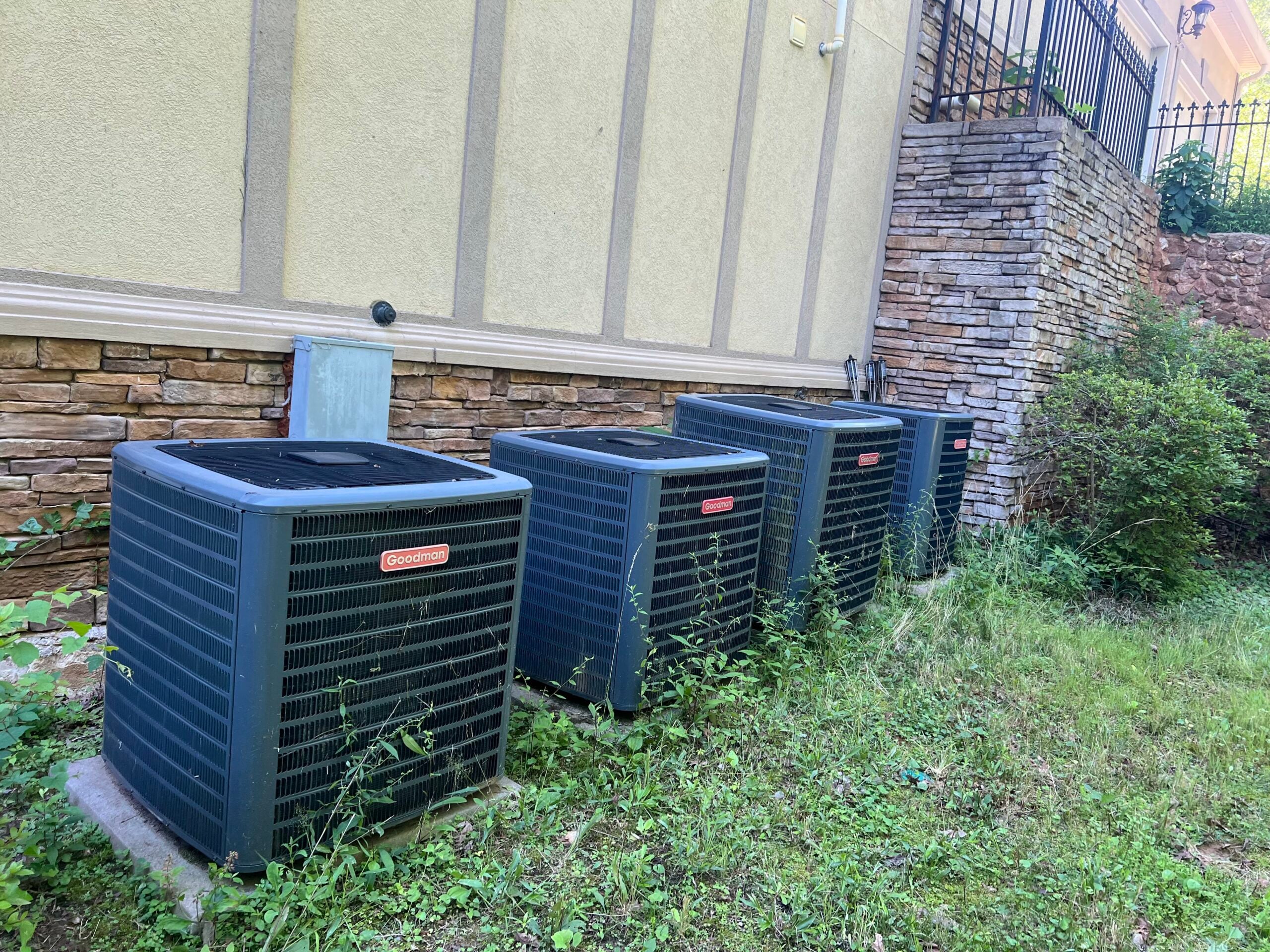
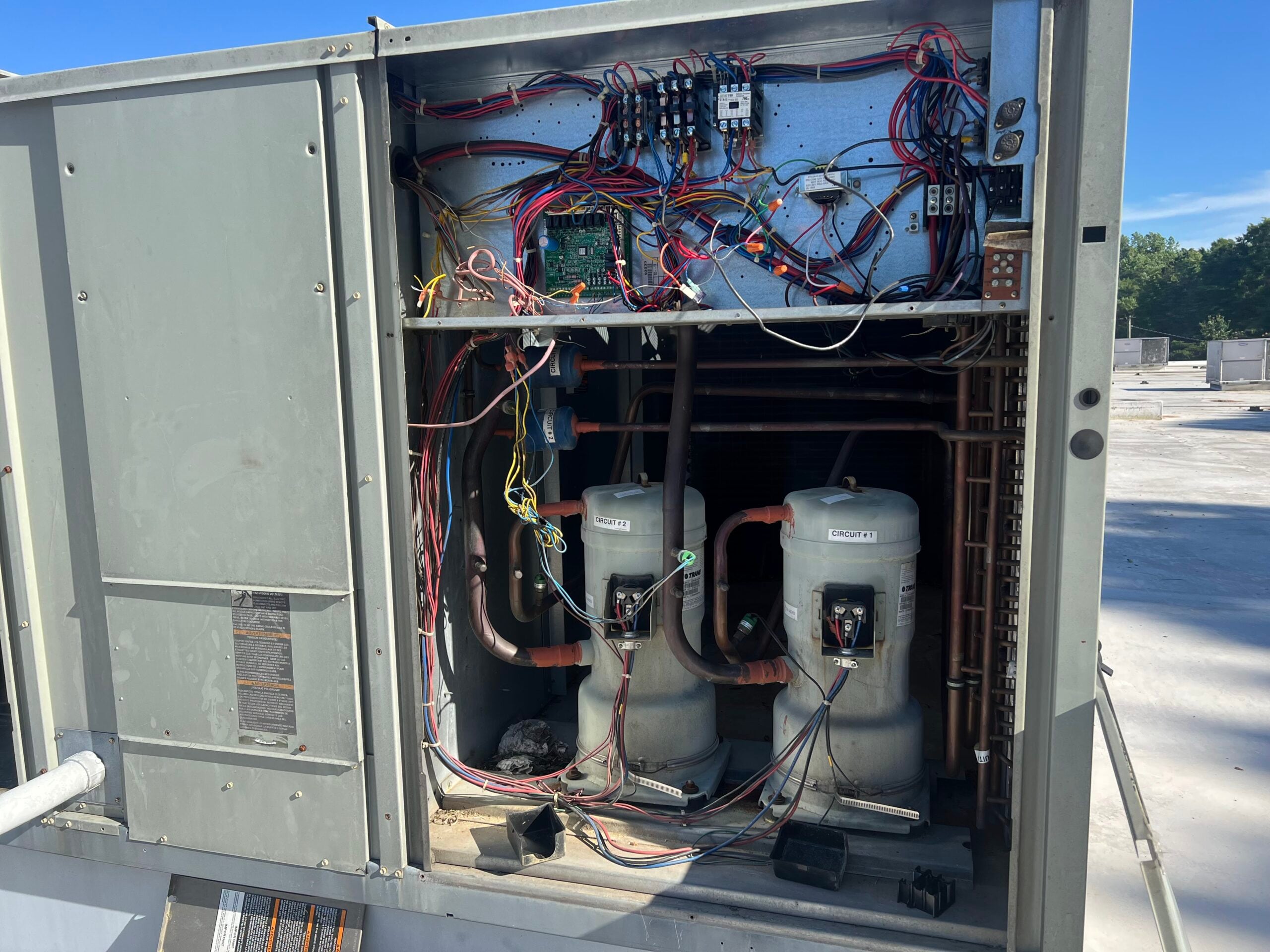
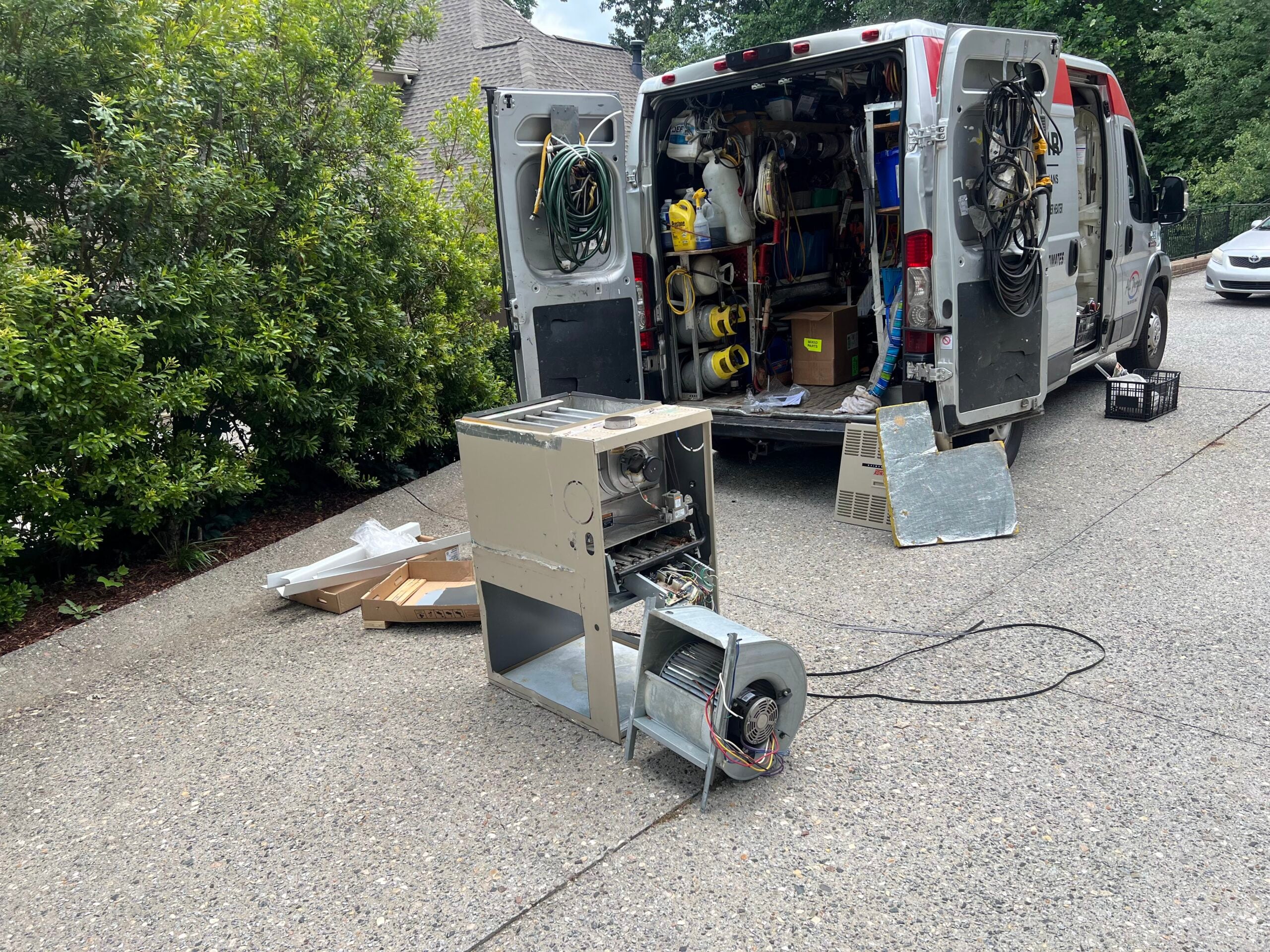
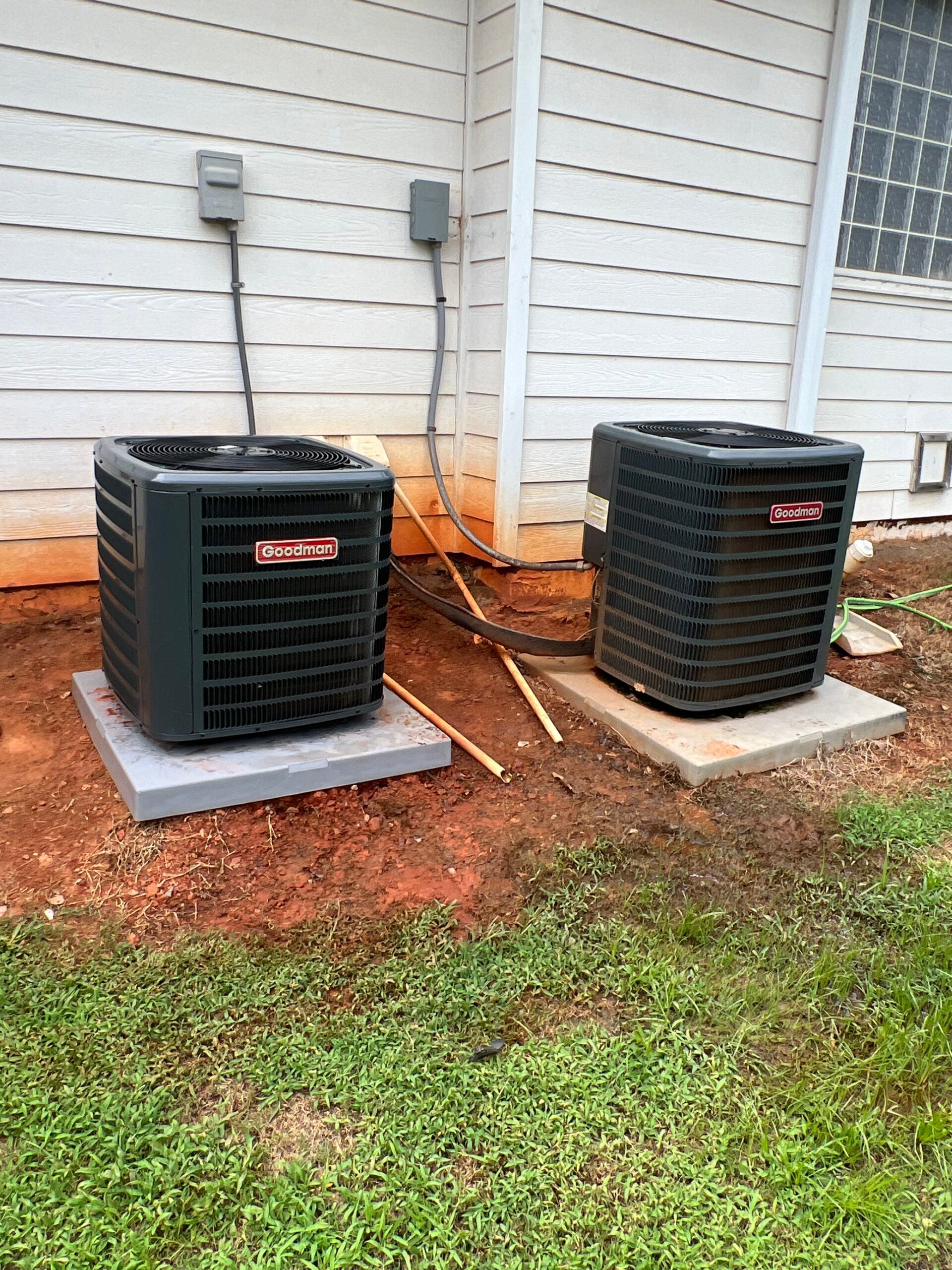
Furnace repair is one piece of what we do here. If you want to see the full picture of our heating and cooling services in Coweta County, our Newnan HVAC service page covers everything we handle in the area, from seasonal maintenance to full system replacements.
If you already know the repair you need and want to go straight to the details, our furnace repair service page walks through how we approach the job, what components we commonly address, and what the process looks like from the first call to the final safety check.
Newnan summers are brutal, and a furnace problem in January often means an air conditioning problem is waiting in June. If your AC was struggling at the end of last season, or if you have not had it looked at in a while, our AC repair page for Newnan is a good place to start before the heat arrives.
We are in this area every week. Whether you are in a newer home near SummerGrove, an older house in the College-Temple neighborhood, or anywhere in between, we can get on the schedule and take a look. Give us a call or request your estimate and we will take it from there.
+