Emergency heating and cooling service in McDonough, GA means a licensed technician responds to your home when your system fails outside of normal business hours or when waiting even a day is not a safe option. All Purpose Heating and Air Conditioning provides that response to McDonough homeowners, diagnosing the problem on arrival, making the system safe, and restoring comfort as quickly as the repair allows.
Henry County summers are long and genuinely punishing. When humidity sits in the upper eighties and the temperature follows, a house without working air conditioning becomes dangerous within hours, not days. Winter is a different story but just as urgent: cold fronts that push down through Georgia can drop overnight lows into the twenties with very little warning, and a furnace or heat pump that goes quiet at midnight is not something most families can wait on until morning.
McDonough’s housing stock runs the full range. The historic homes near the Square often have older equipment and duct systems that were sized for different configurations than what the house looks like today. The large homes in Eagles Landing and around Lake Dow put serious demand on their systems during peak summer weeks. Newer construction throughout Henry County brings its own questions around commissioning and warranty. Whatever the house, the failure tends to happen at the worst possible moment.
All Purpose has been doing this work for more than 35 years. The drive down I-75 to McDonough is a regular run for our crews, and we know what we’re walking into when we arrive.
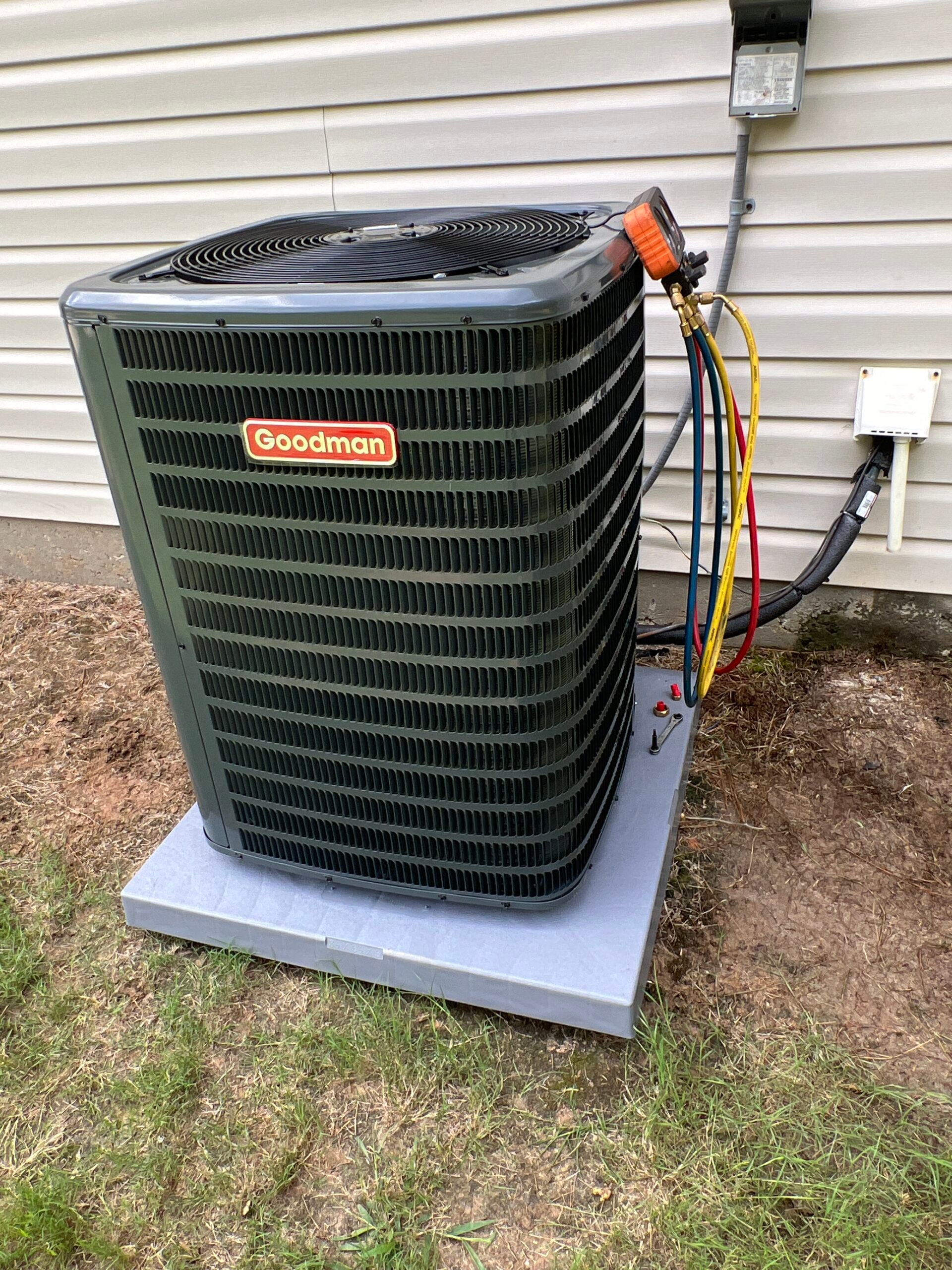
Some situations are obvious. No cool air in July, with the thermostat set to 72 and the indoor temperature climbing past 85, is an emergency. So is a furnace or heat pump that stops producing heat on a January night when a cold front has pushed temperatures down toward freezing. Those are the calls we expect.
Others are less obvious but just as urgent. A burning smell coming from a supply vent or the air handler itself means something is wrong electrically or mechanically, and the system should be shut off until a technician looks at it. Water pouring or pooling from the indoor unit points to a blocked condensate line or a frozen evaporator coil, and that water will find your ceiling, your walls, or your subfloor if it is not addressed quickly.
The stakes go up when vulnerable people are in the home. Elderly residents and infants are both sensitive to temperature extremes in ways that healthy adults are not, and a home that is simply uncomfortable for one person may be genuinely unsafe for another. If that describes your household, do not wait to see if the system recovers on its own.
McDonough’s older homes near the Square sometimes run aging equipment that has fewer warning signs before it fails outright. The larger homes in Eagles Landing and the Lake Dow area run their systems harder during peak summer weeks, and components like capacitors and blower motors take the brunt of that load. When those parts go, they usually go fast. Give us a call and let us get a technician out to take a look.
The first thing that happens is a callback. When you reach out, someone gets back to you quickly to understand what the system is doing, confirm your address, and get a technician headed your way. We do not put emergency calls in a general queue and wait for a slot to open.
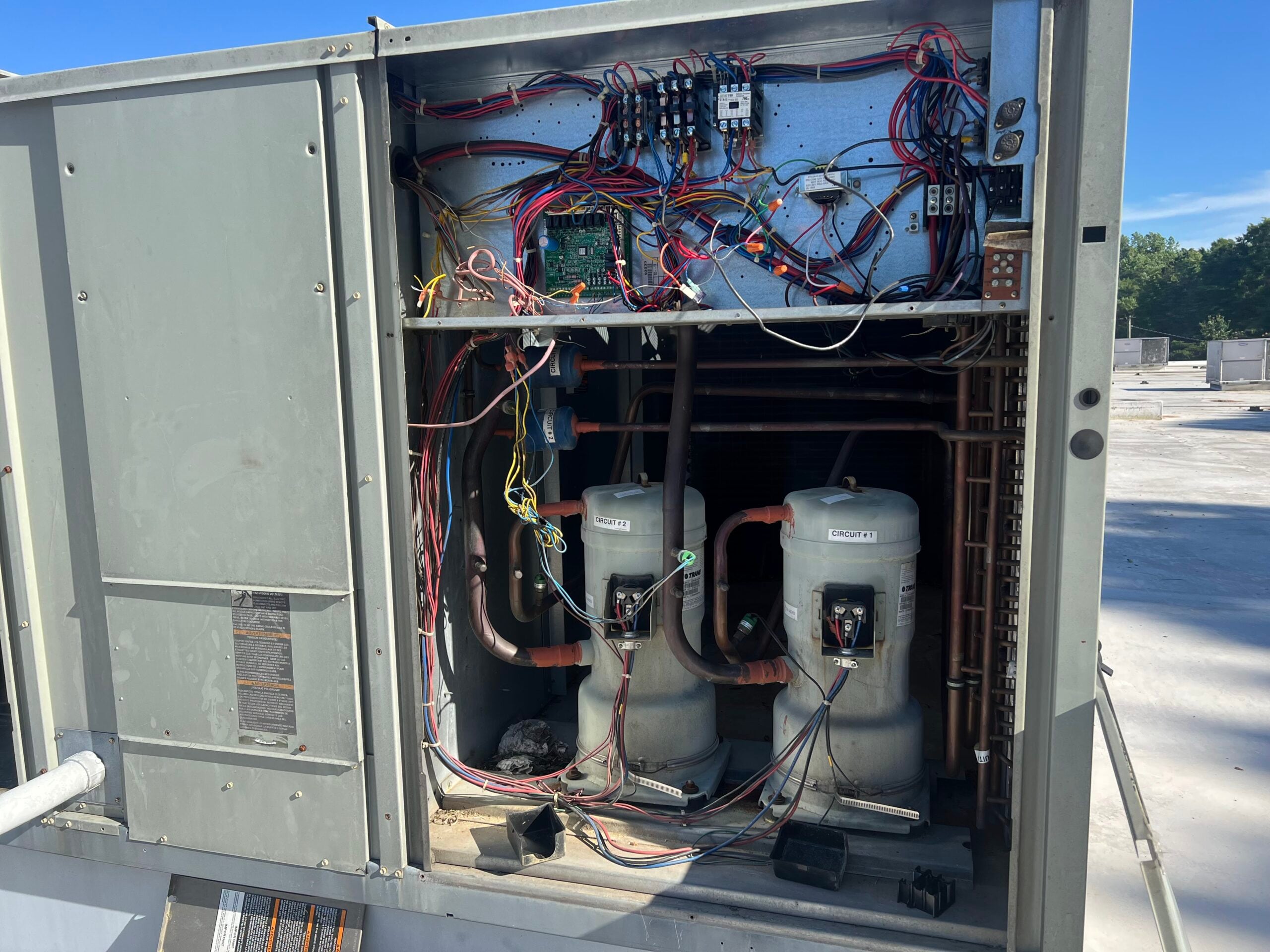
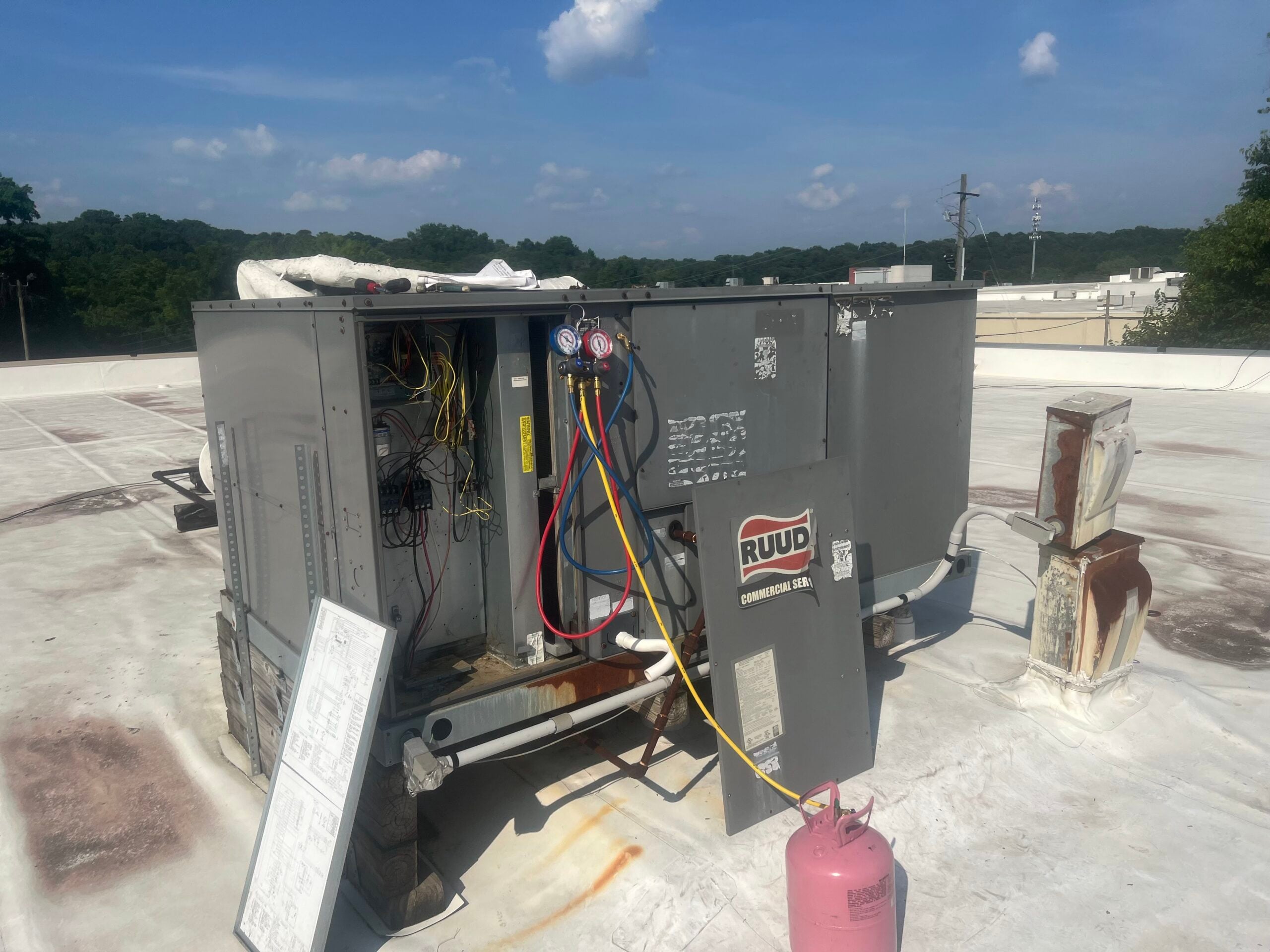
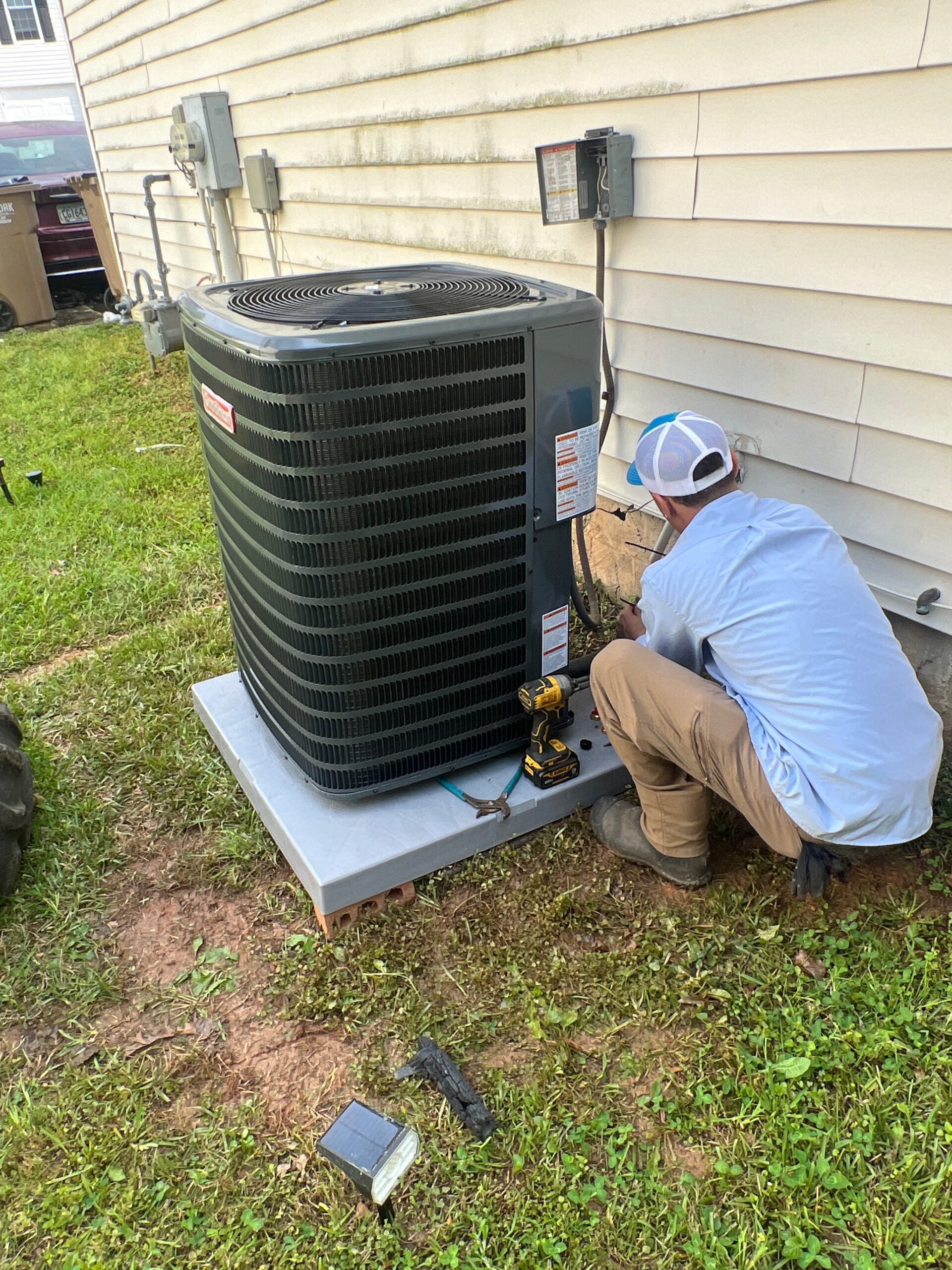
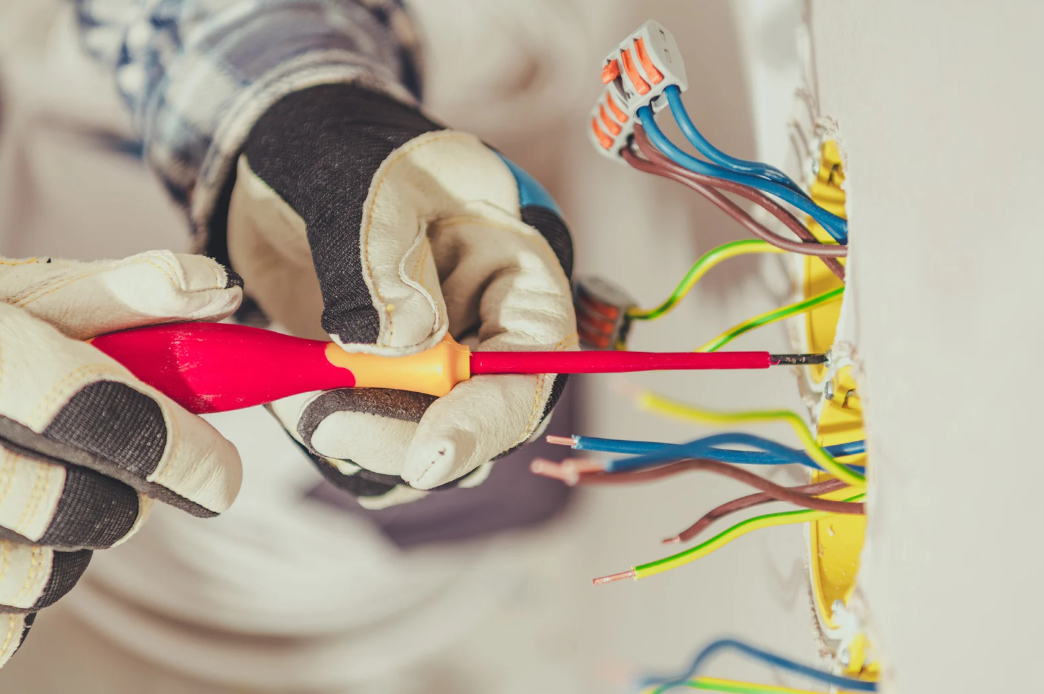
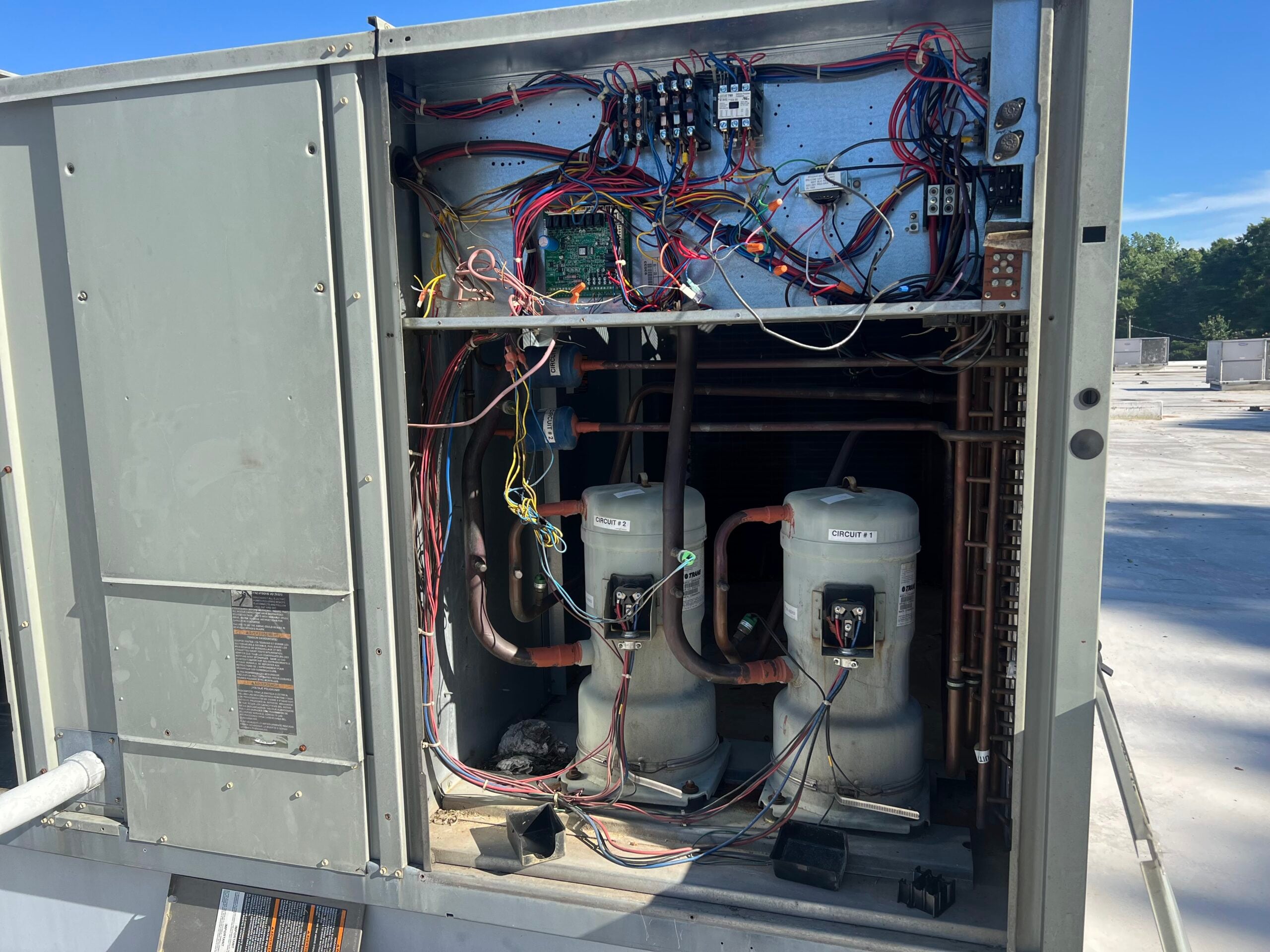
When the technician arrives, the first priority is diagnosis. That means checking the thermostat and electrical supply, inspecting the air handler and outdoor unit, reading refrigerant pressure, and looking at the components most likely to cause the symptom you described. A no-cool call in summer often traces back to a failed capacitor, a refrigerant leak, or a frozen evaporator coil. A no-heat call in winter is frequently a failed igniter, a tripped limit switch, or a heat pump that has lost its refrigerant charge.
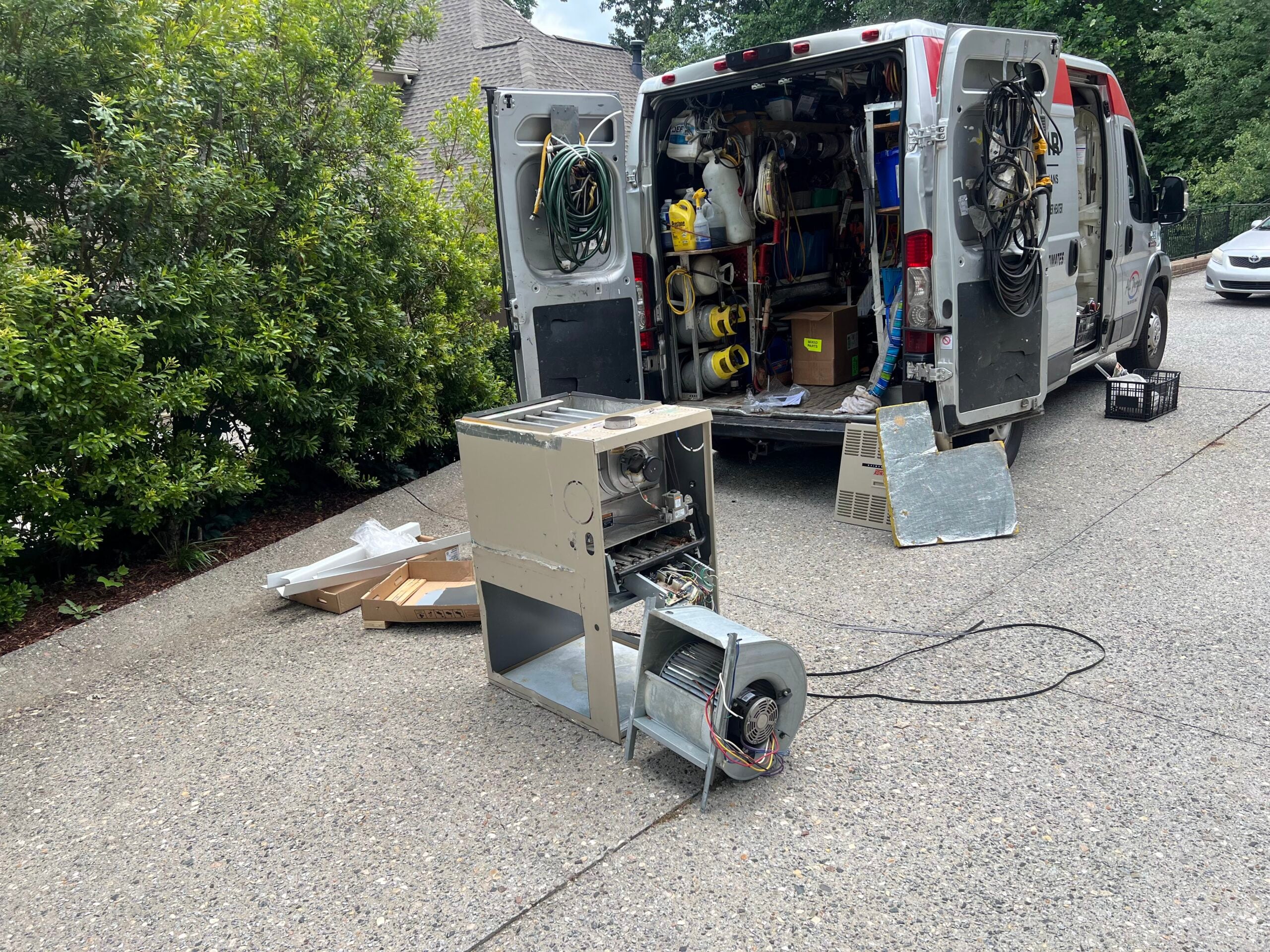
Once the problem is identified, the goal is to get the system safe and running. If the failed part is on the truck, the repair can happen the same visit. If it requires an order, the technician will tell you exactly what is needed, what the next steps are, and what to do in the meantime.
Cost and timeline on an emergency call depend on a few things: the time of day, which component has failed, and whether that part is available immediately. Emergency calls outside of standard hours carry different considerations than a daytime call. A repair that takes an hour on a straightforward part is a different job than one that requires a specialty component. We will give you a clear picture of all of it before the work begins. Request your estimate so there are no surprises.

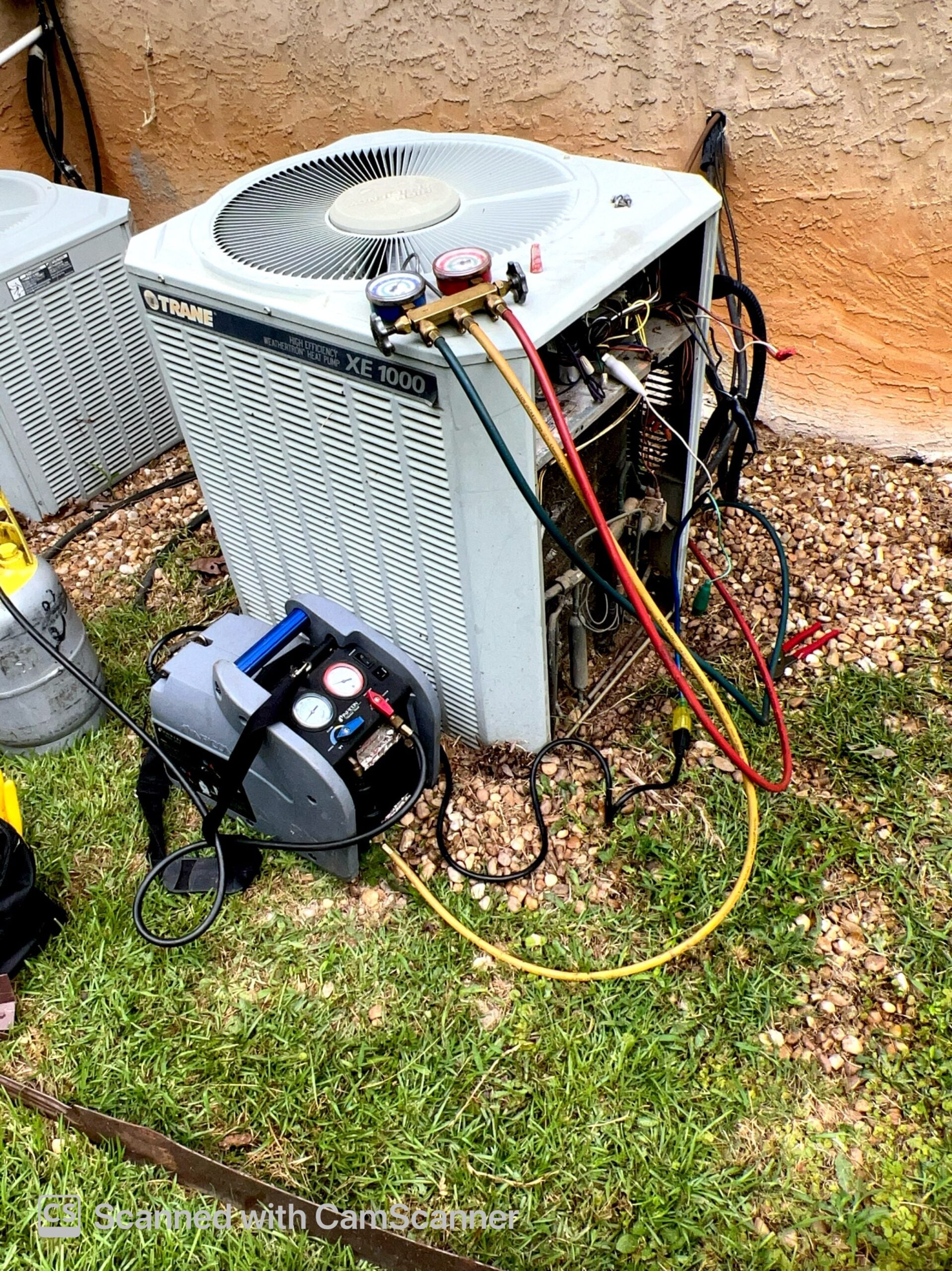
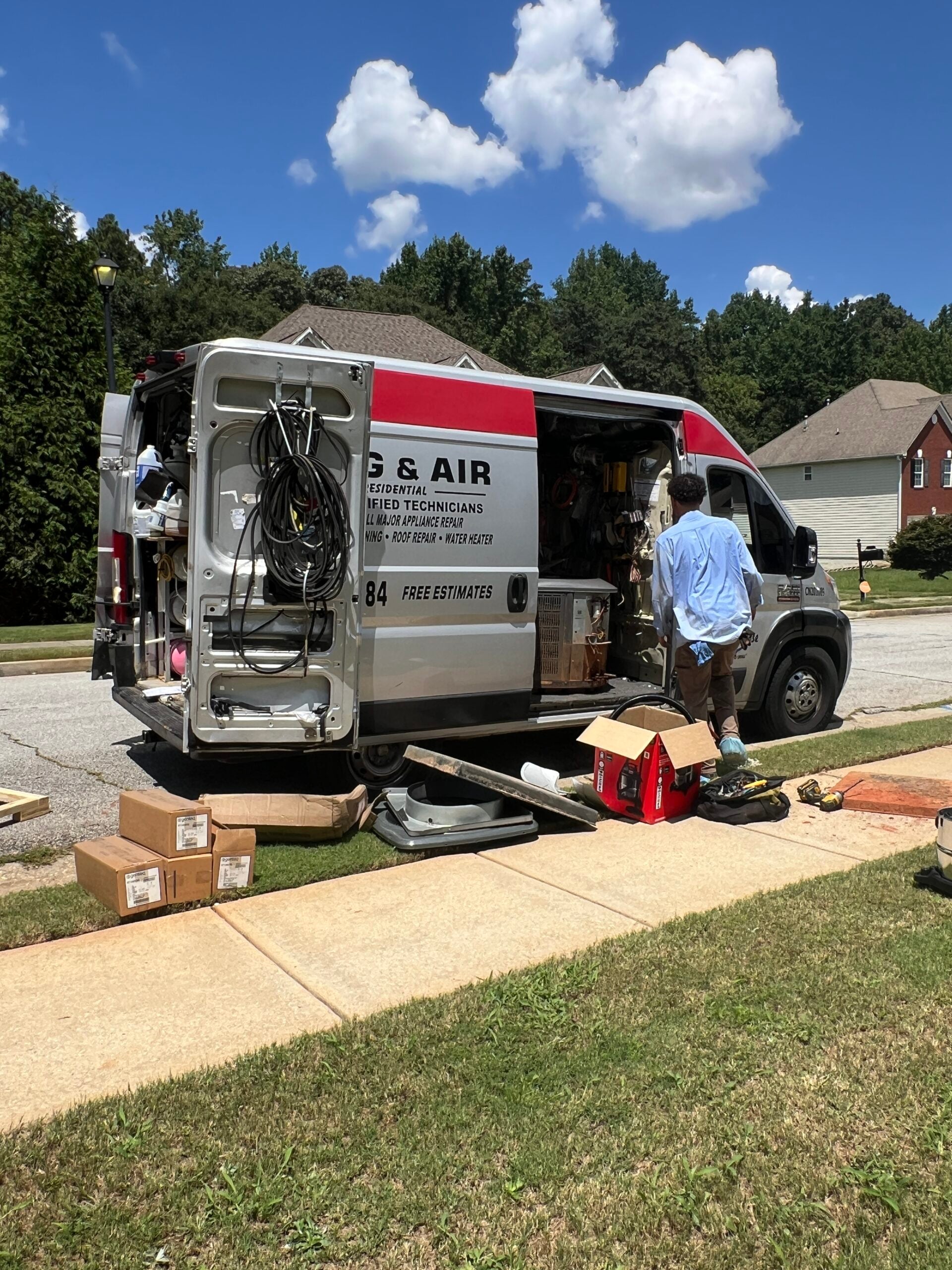
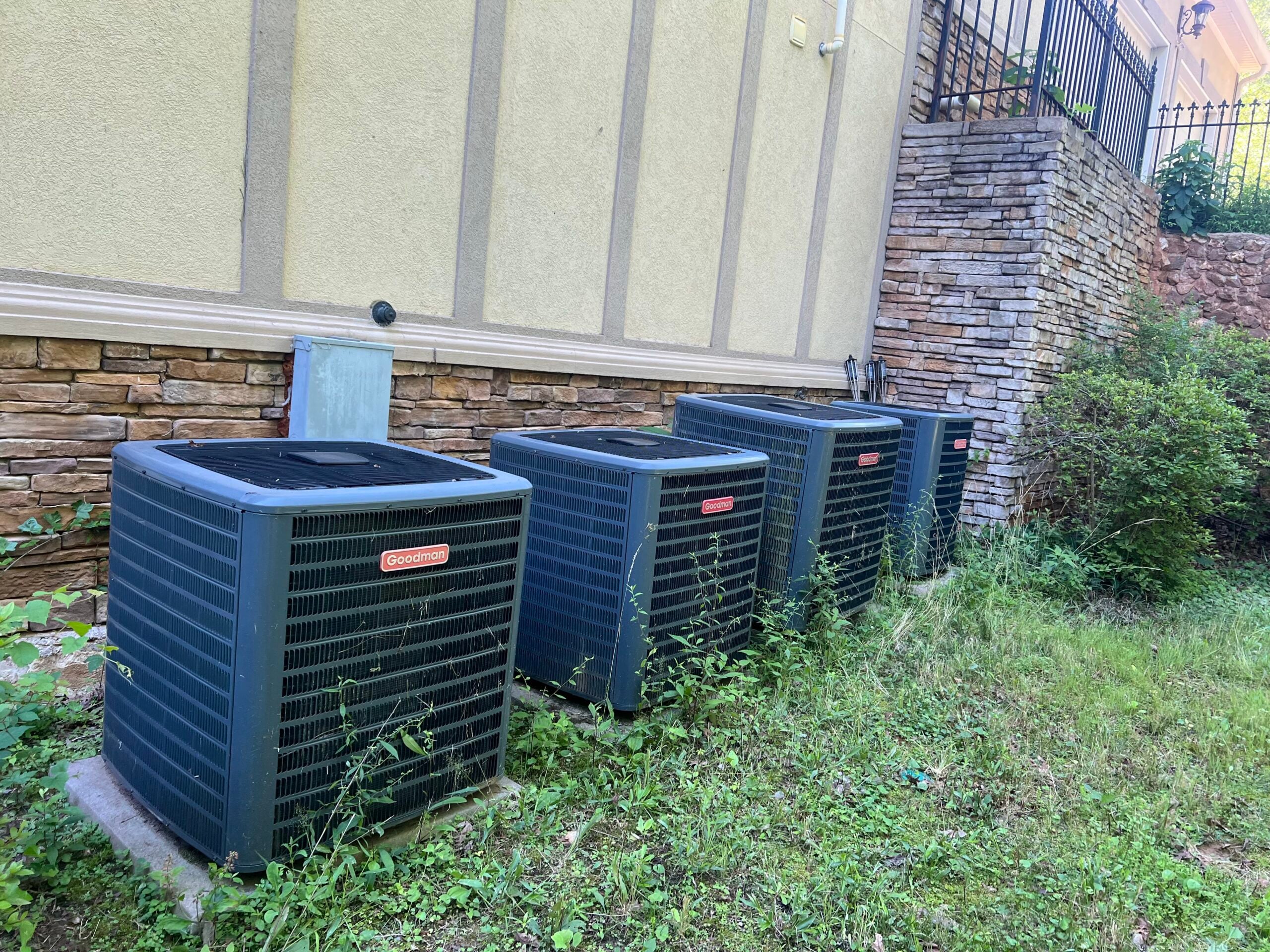
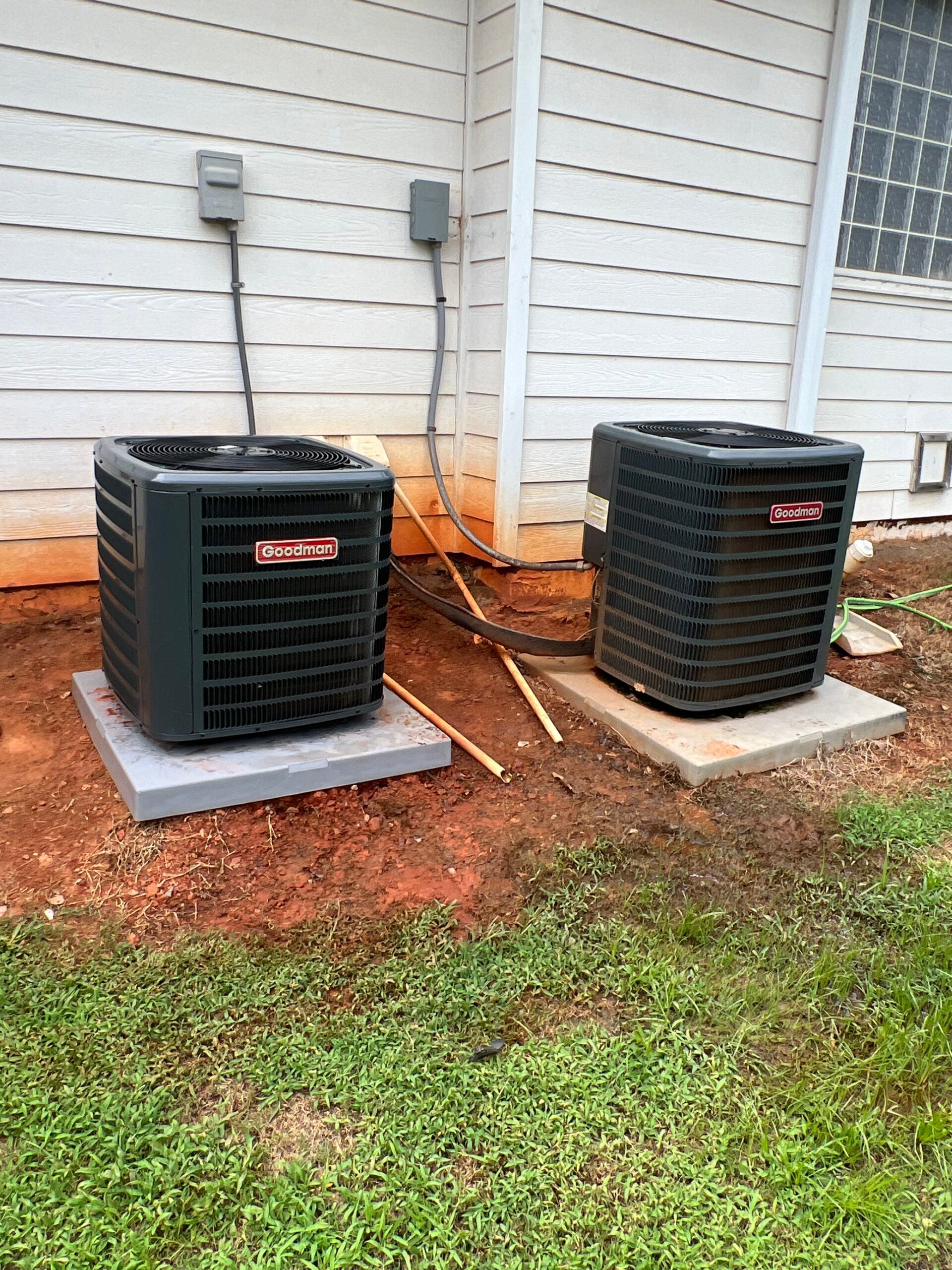
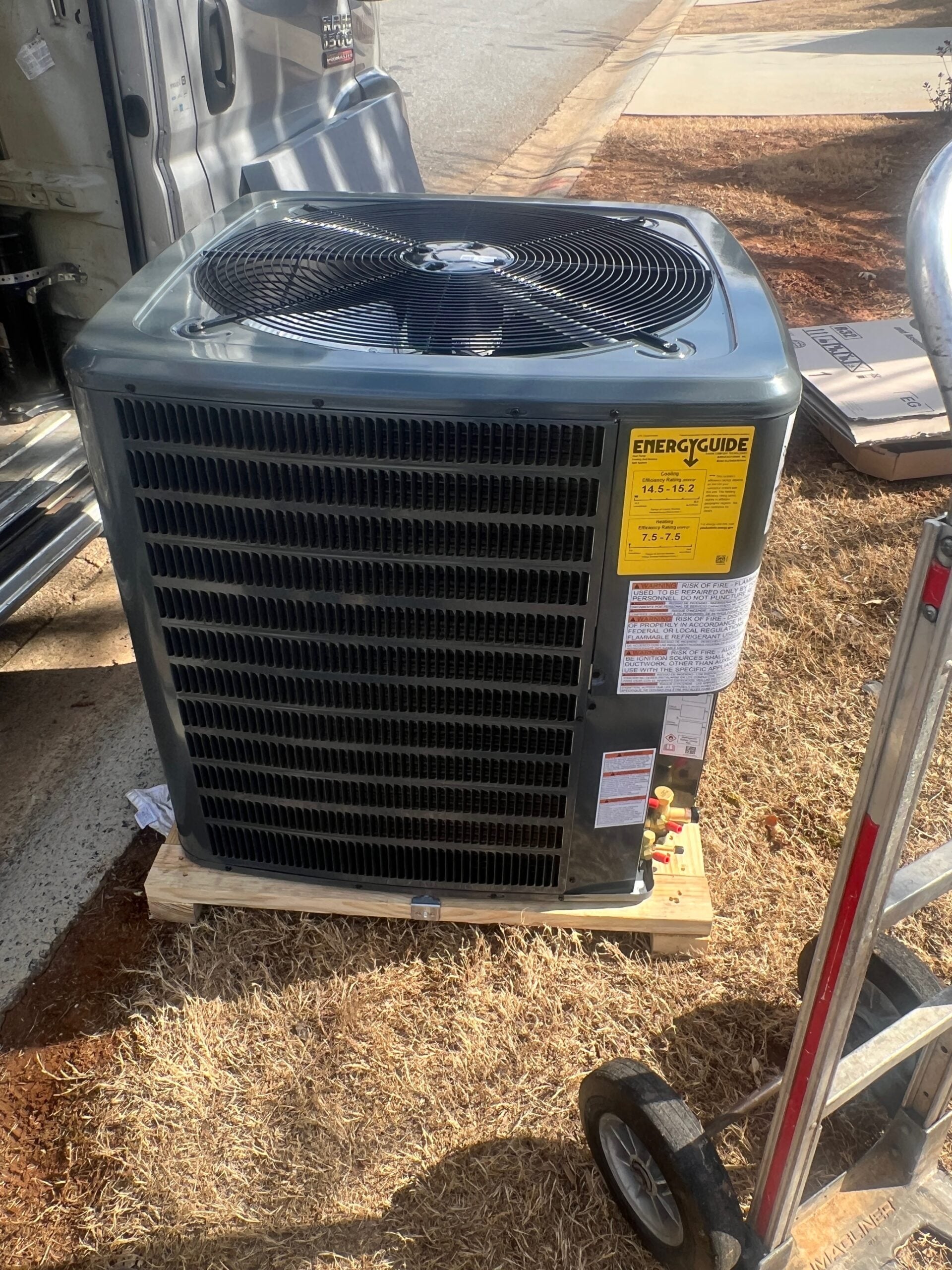
Emergency service is one part of what we do in Henry County. If you want a broader look at our heating and cooling work in the area, including seasonal tune-ups, system replacements, and duct work, our McDonough HVAC service page covers the full scope of what we offer to homeowners here.
If you already know you need urgent help and want to understand exactly how our emergency response works, the emergency HVAC service page walks through what to expect from the call to the repair, including what we carry on our trucks and how we handle parts that need to be ordered.
Air conditioning problems are the most common reason McDonough homeowners call us in an emergency, especially during the stretch of July and August when the humidity makes even a few hours without cooling feel unbearable. If your AC is the issue, our McDonough AC repair page goes deeper on the specific failures we see most often and what the repair process looks like.
Whether the problem is a heat pump that quit overnight, an air conditioner that stopped cooling during a heat wave, or something that just does not smell right, All Purpose Heating and Air Conditioning is ready to respond. Get on the schedule and let us get your home back to a safe temperature.
+