AC installation and replacement in McDonough, GA means removing your existing cooling system and putting a properly sized, correctly charged new unit in its place, including the condenser outside, the coil inside, the refrigerant lines, and all electrical connections. A new system is sized to your specific home, not just swapped in at whatever tonnage the old one happened to be.
McDonough summers are long and genuinely humid. From late May through September, your air conditioner runs hard every single day. That kind of sustained load accelerates wear on compressors, capacitors, and blower motors in ways that homeowners in cooler climates simply do not deal with at the same pace. When a system is already aging, the heat here pushes it to the edge faster.
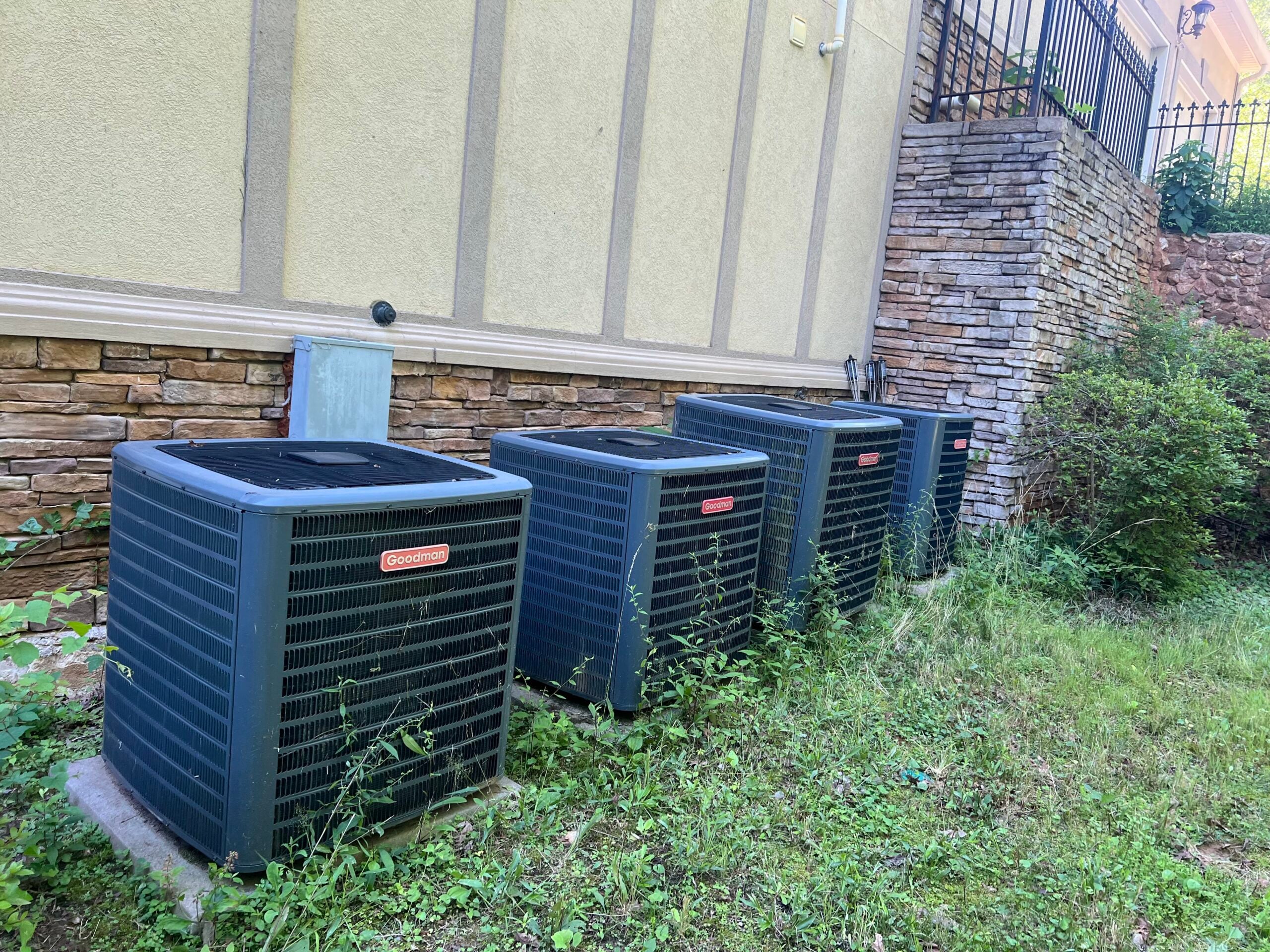
Henry County has grown quickly, and the housing stock reflects that. You have older homes near the Square where ductwork and electrical panels date back decades, large newer builds out near Eagles Landing and Lake Dow with high ceilings and square footage that demand careful load calculations, and rural properties where the equipment has sometimes been undersized from the start. The right installation accounts for all of that.
All Purpose Heating and Air Conditioning has been doing this work for more than 35 years. Our crews run the I-75 corridor regularly, and McDonough is a straightforward run from our home base. We know this area, and we know what it takes to keep a home comfortable through a Georgia summer.
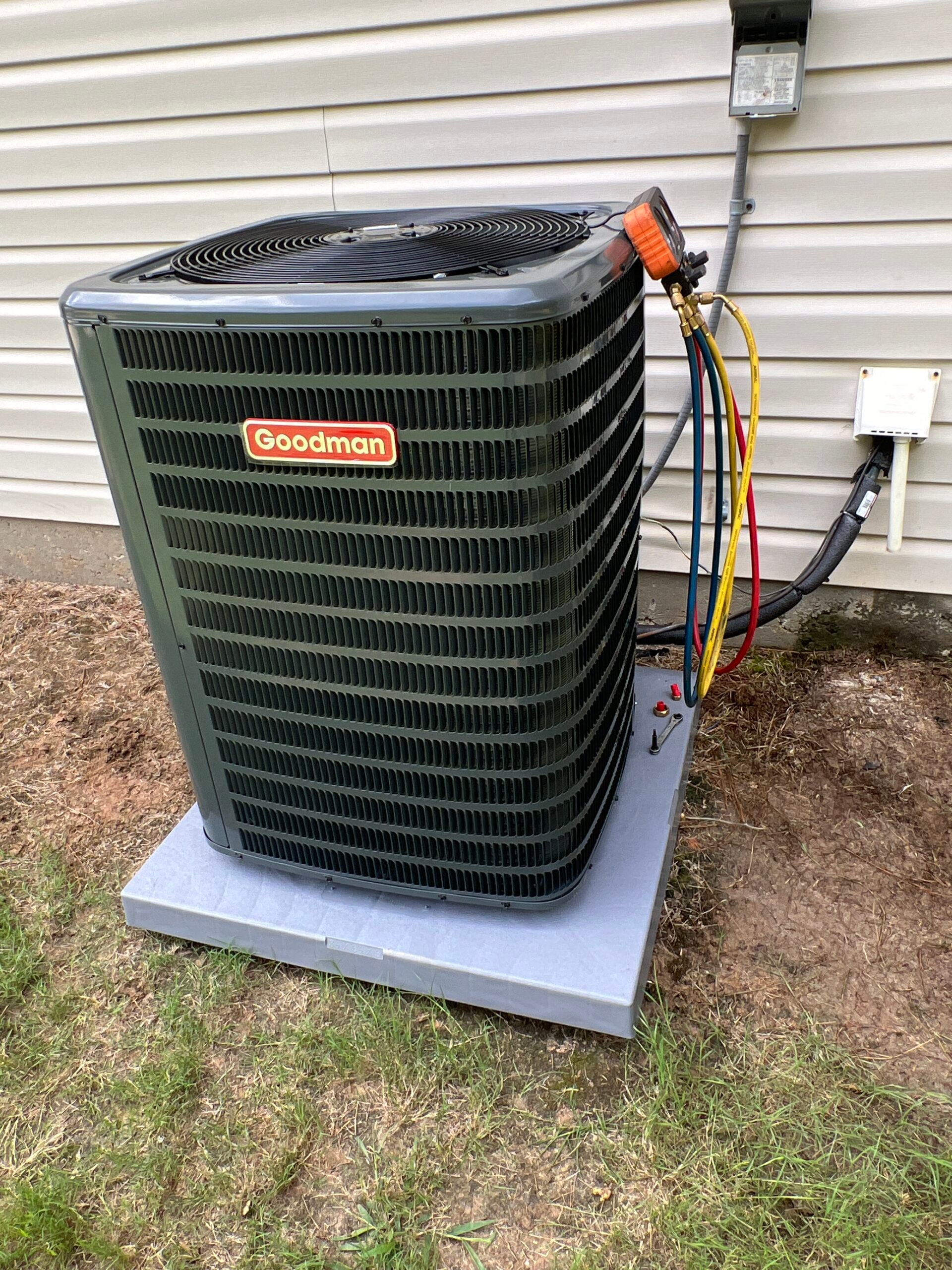
Most central air conditioning systems carry a general industry lifespan in the range of 15 to 20 years, though real-world performance varies. In McDonough’s climate, where a system may run six or more months out of the year, equipment on the older end of that range is often already showing strain. If your system is past the 12-to-15-year mark, replacement is worth a serious conversation even before it fails outright.
Repeated repairs are a clear signal. When you are calling for service every summer, and the bills keep adding up, the math on continued repairs versus a new system usually shifts. Compressor and refrigerant work on an older unit gets expensive fast.
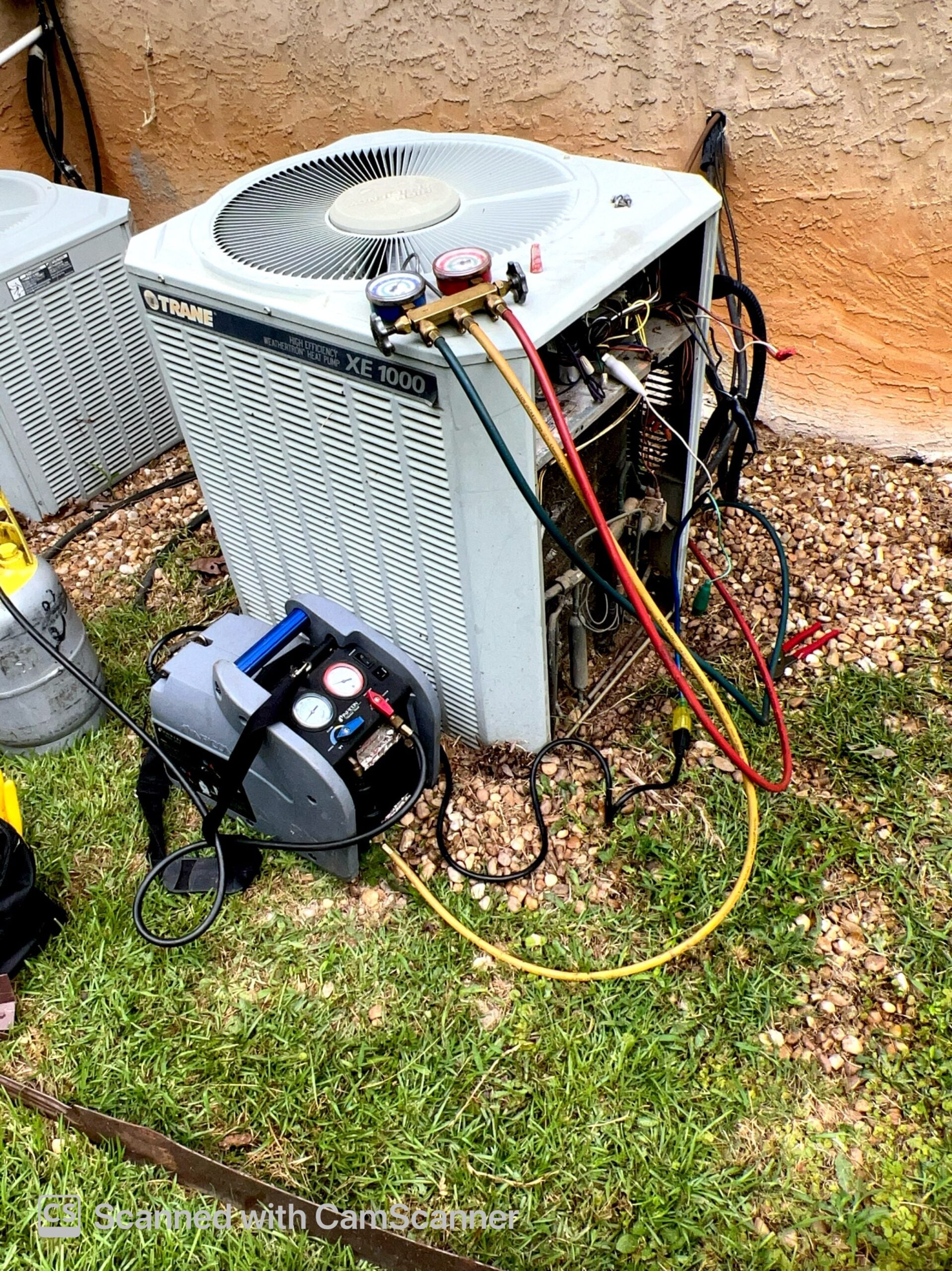
R-22 refrigerant is another hard stop. If your system still runs on R-22, that refrigerant is no longer manufactured in the United States. Recharging an R-22 system is costly and increasingly difficult to arrange. Replacement with a current-refrigerant system is the practical path forward.
High summer utility bills deserve attention too. An aging, inefficient system running through McDonough’s long cooling season can drive energy costs well above what a properly sized, higher-efficiency unit would cost to operate. If your bills have climbed steadily without a clear explanation, the system’s efficiency rating is often the reason.
Finally, if you have added square footage, finished a basement, or enclosed a porch, your existing system may simply not be built for the load it is now being asked to carry. Undersized equipment runs constantly and still cannot keep up. That is a replacement conversation, not a repair one.
Every installation starts with a load calculation. We measure the home’s square footage, ceiling heights, insulation levels, window orientation, and ductwork layout before we recommend a system size. This step matters more than most homeowners realize. An oversized unit short-cycles, leaving the air humid and clammy. An undersized one runs without stopping. Neither is comfortable, and both wear out faster. In a larger home near Lake Dow or a historic property close to the Square with older construction, getting this number right takes real attention.
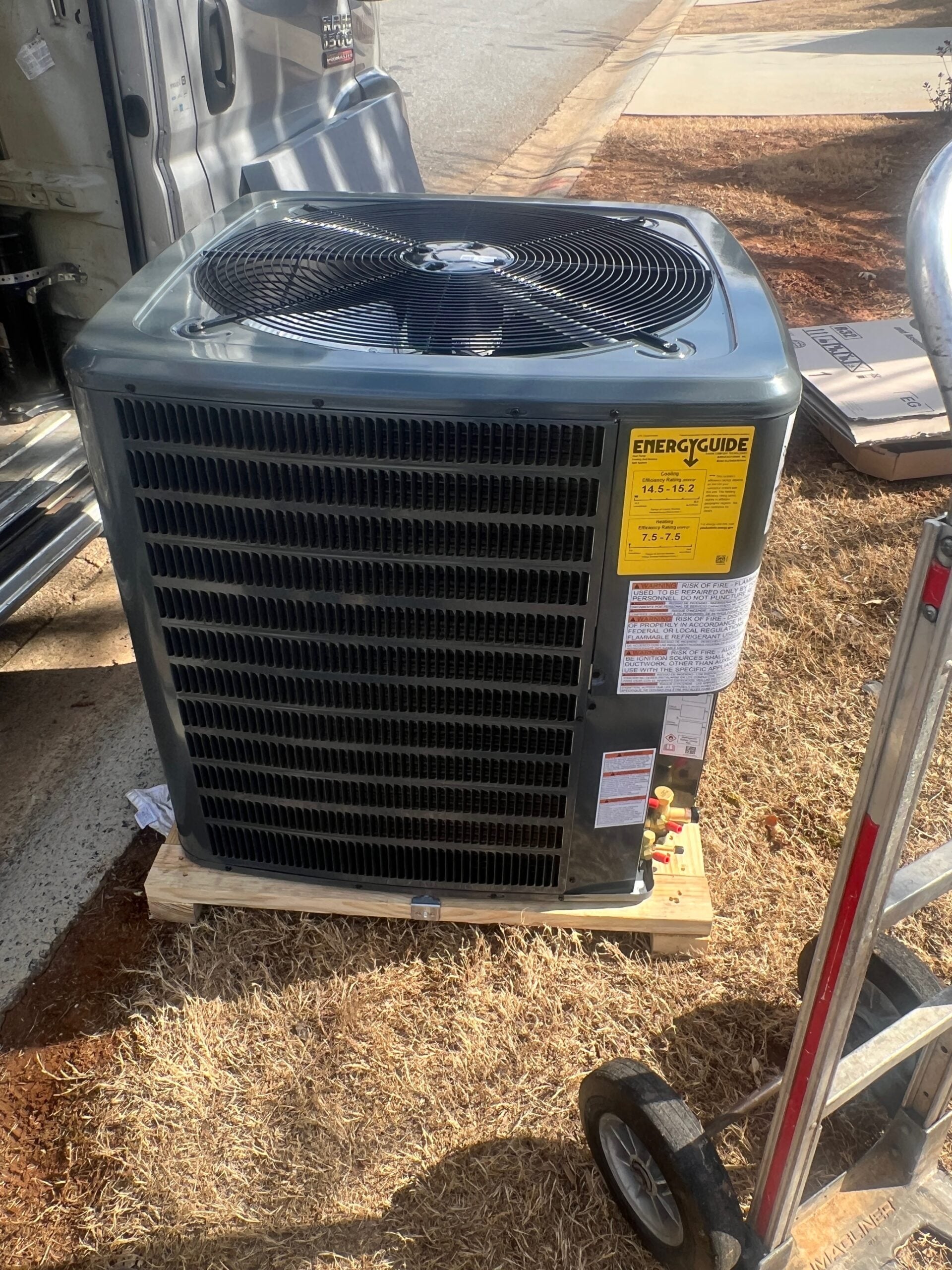
Once we know the right size, we walk you through equipment options and efficiency ratings. Higher SEER-rated equipment costs more upfront and costs less to operate over time. We explain the tradeoff plainly so you can make the call that fits your situation. Financing is available on complete systems if that changes the picture.
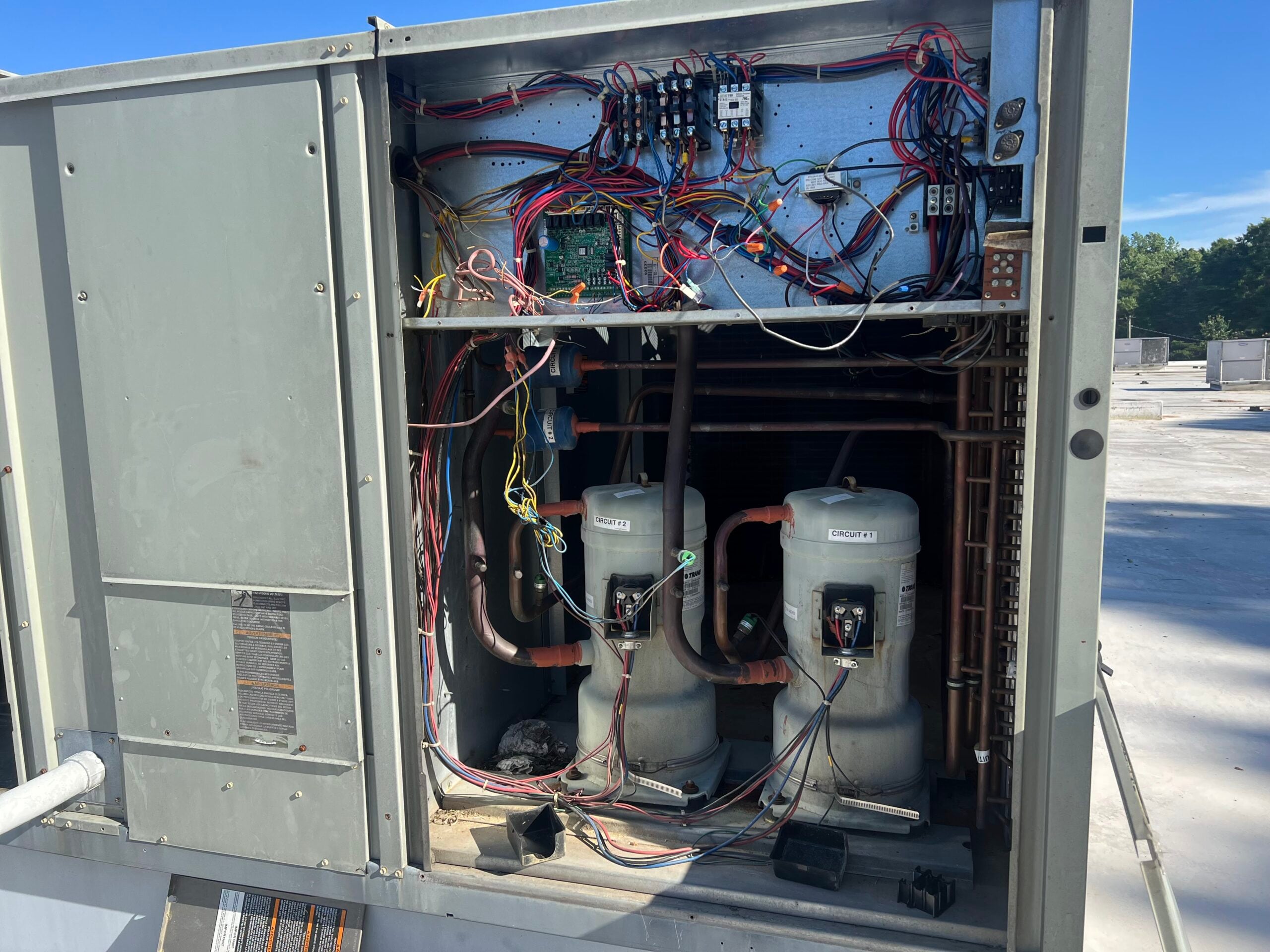
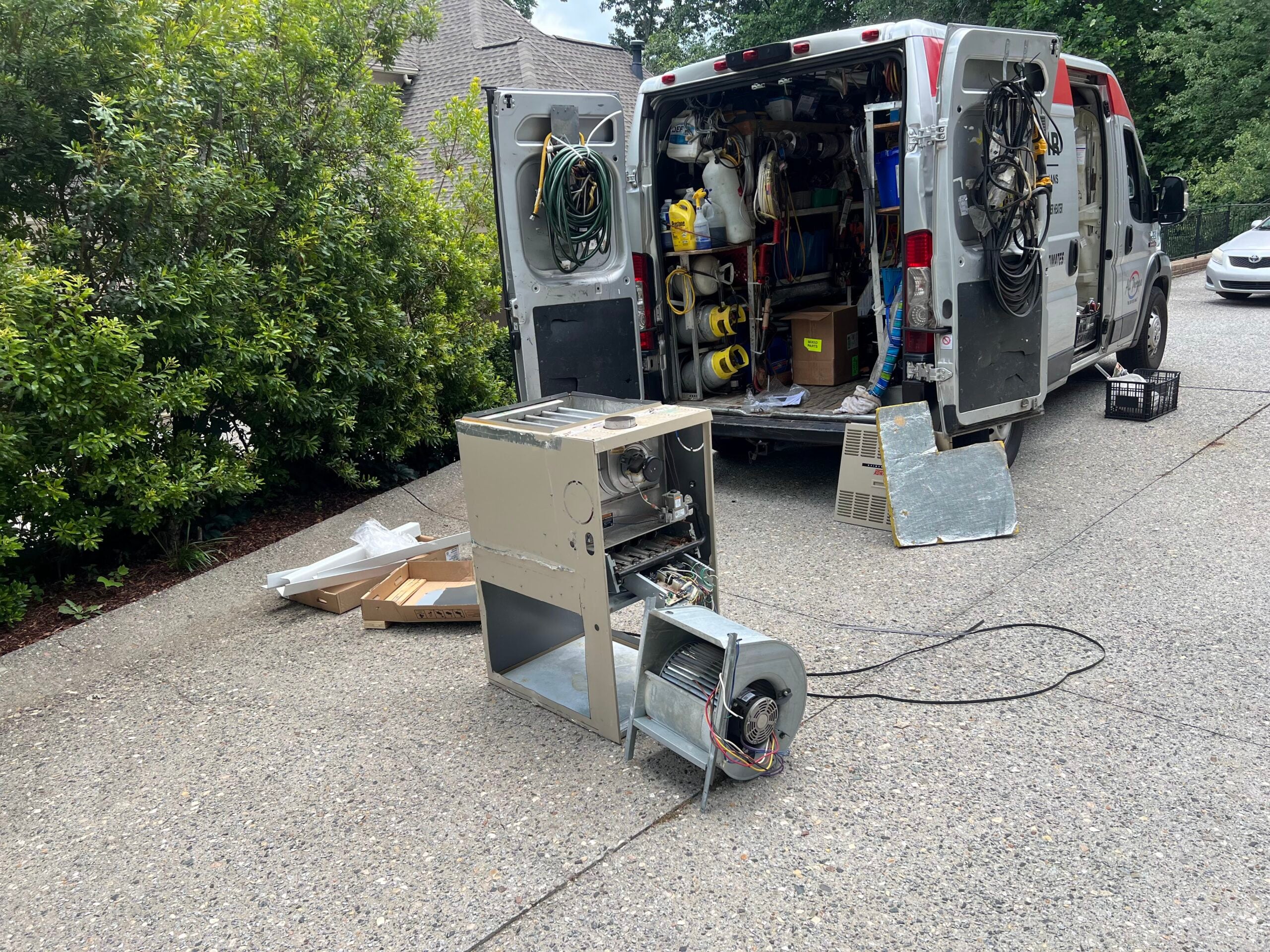
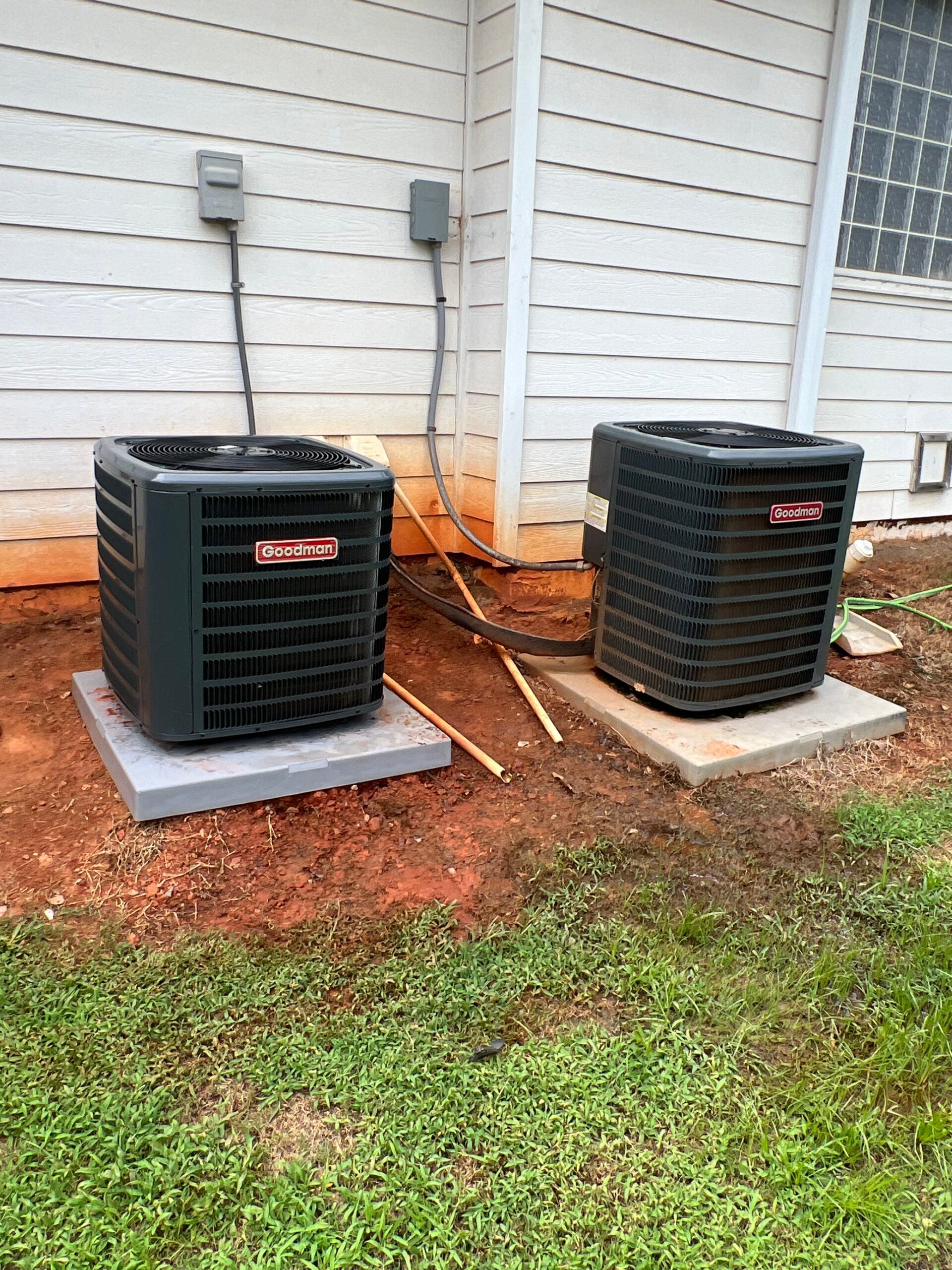
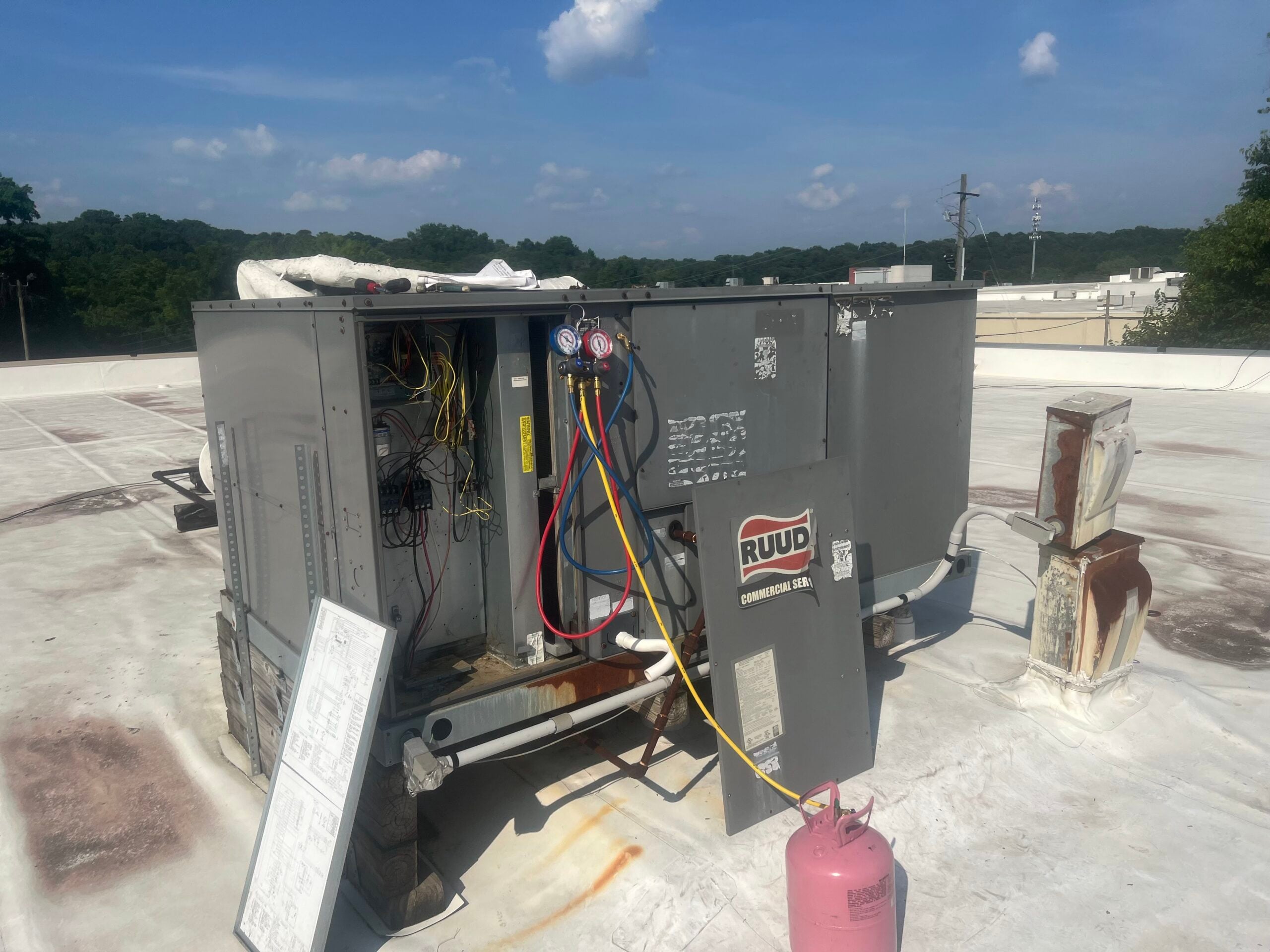
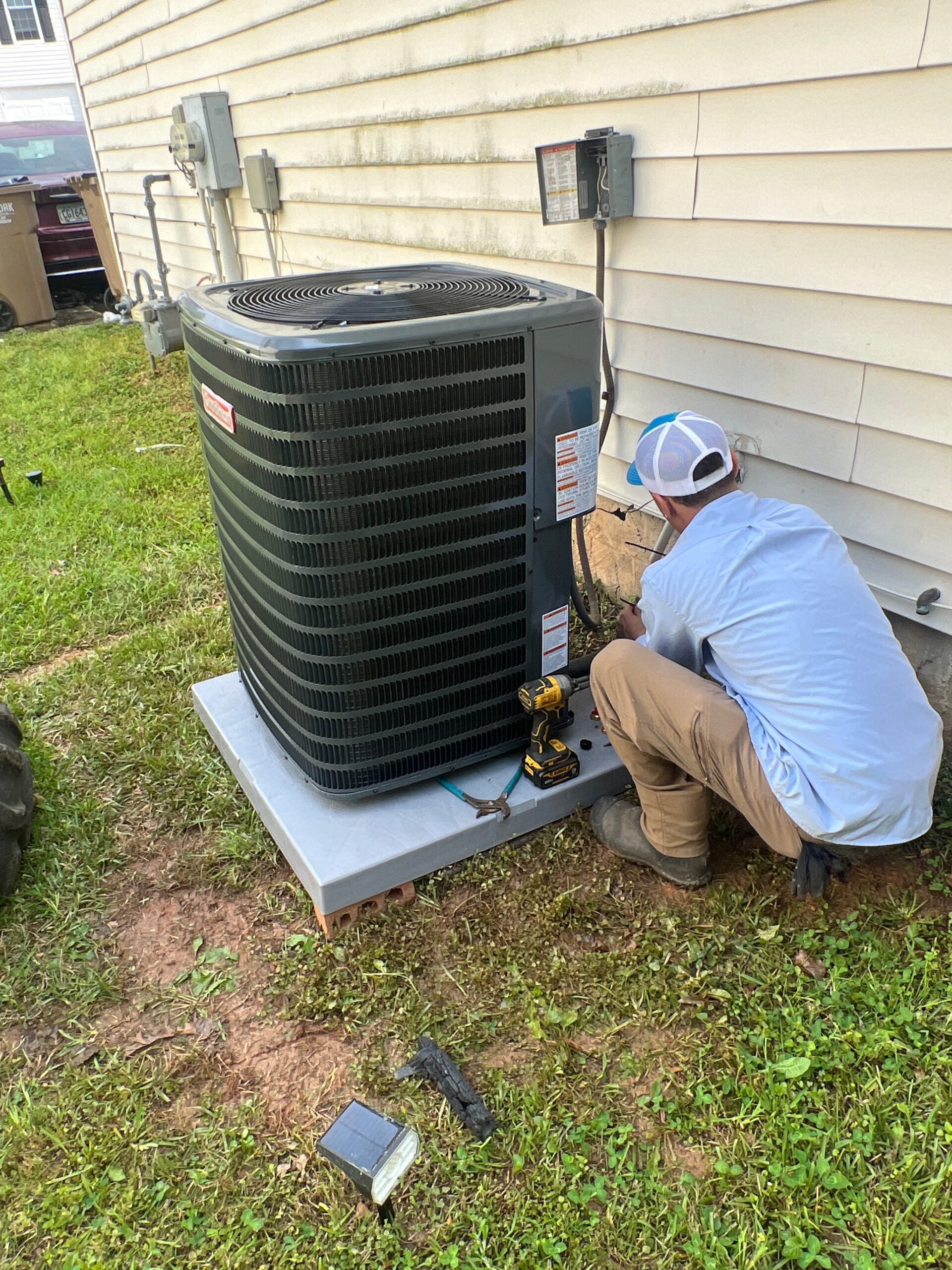
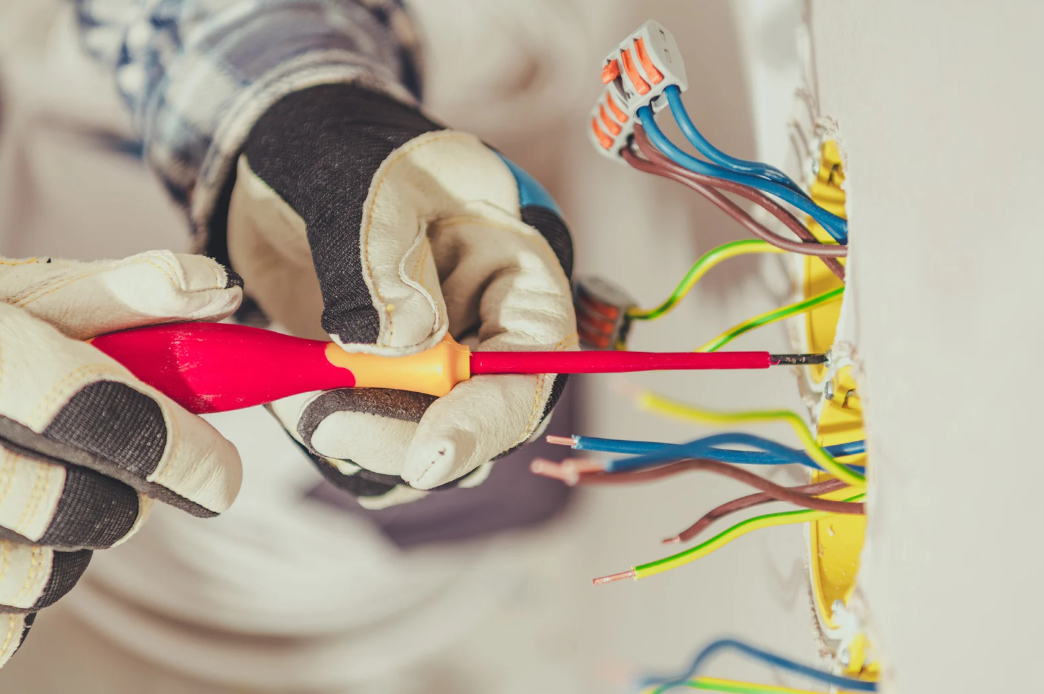
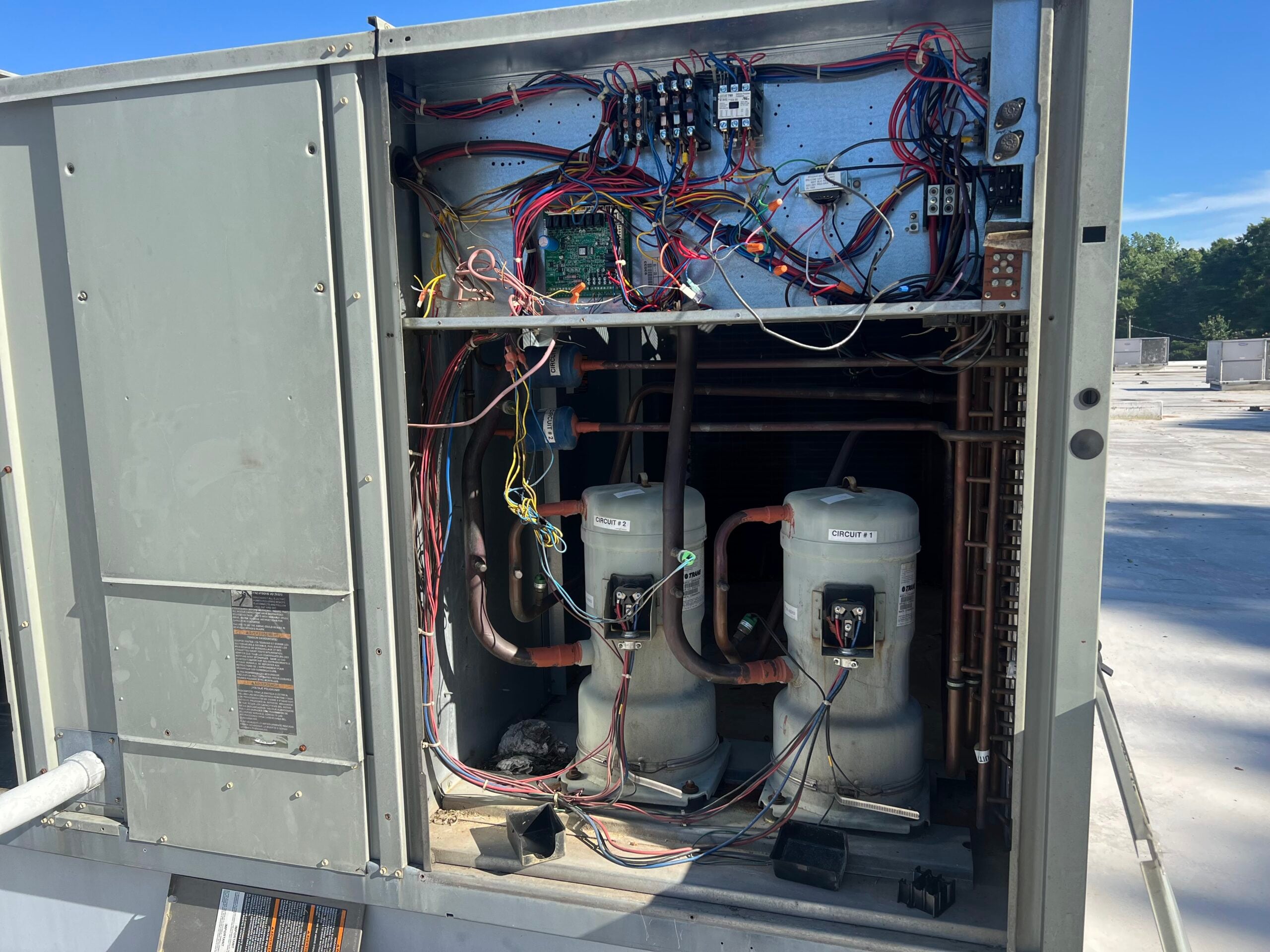
On installation day, we remove the old condenser and coil and dispose of them properly. We set the new condenser on a level pad outside, install the new evaporator coil on the air handler inside, and run or reconnect the refrigerant lines. Electrical connections are made to code. We pressure-test the refrigerant circuit, pull a vacuum, and charge the system to manufacturer specifications before we ever turn it on for the first time.
Startup and testing confirm the system is operating correctly: airflow, refrigerant charge, temperature differential, thermostat communication. What drives the total cost and timeline is the system size and efficiency tier you choose, the condition of your existing ductwork, whether the electrical panel needs an upgrade to support the new equipment, and the labor involved in removing and disposing of the old unit. An estimate gives you the real number for your specific home.

If you are researching your options, we have put together resources that cover the full picture for Henry County homeowners. Our McDonough HVAC service hub covers everything we do for heating and cooling in this area, from routine maintenance to full system replacement, and is a good starting point if you are not yet sure what your system needs.
For a deeper look at the installation process itself, our AC installation service page walks through equipment options, efficiency ratings, and what to expect from the job start to finish. It is written for homeowners who want to understand the work before they commit to anything.
If your current system is still running but giving you trouble, it may be worth a repair evaluation before you decide on replacement. Our McDonough AC repair page covers the most common issues we see in this area and can help you figure out whether a repair makes sense or whether the money is better spent on a new system.
We also serve homeowners in Conyers, Peachtree City, Newnan, Alpharetta, and across the Atlanta area. Wherever you are in Henry County, give us a call or request your estimate and we will get you on the schedule.
+