An electrical panel upgrade in Peachtree City, GA replaces your home’s main breaker panel with one sized to handle your actual electrical load, bringing the service entrance, breakers, grounding, and bonding up to current code in the process.
If your panel is out of slots, your breakers trip under normal use, or you are adding a heat pump or EV charger to a home still running on 100-amp service, a panel upgrade is the right fix. It is not a repair to the existing box. It is a full replacement, coordinated with the utility and inspected by Fayette County before the cover goes back on.
Peachtree City is a master-planned community, and that means the age of the electrical system in any given home depends almost entirely on which village it sits in. A 1970s or early-1980s home in Braelinn or Glenloch may still have its original panel, possibly a Federal Pacific or Zinsco unit that no longer interrupts faults reliably. A newer build in Planterra Ridge or Wilksmoor Village may have a builder-grade 150-amp panel that made sense when the home was built but is undersized now that the garage has a workshop circuit, the backyard has a pool, and the family is shopping for an EV charger.
All Purpose Heating and Air Conditioning is locally owned and has been doing this work for more than 35 years. We pull the permit, coordinate with Georgia Power, and handle the inspection. If you are not sure whether your panel needs to be replaced or just evaluated, give us a call and we will take a look.
Some panels tell you they need to go. Others just quietly fail to protect your home the way they should. Here are the situations we see most often in Peachtree City.
No open slots. If every breaker position is full and someone has started using tandem breakers to squeeze in more circuits, the panel is at its physical limit. Adding a dedicated circuit for a hot tub, a detached garage workshop, or a pool pump means the panel has to be replaced, not patched.
100-amp service in a home with modern loads. Many established homes in Kedron and Aberdeen were built when 100-amp service was standard. That was before heat pumps, EV chargers, and whole-home generators became common additions. A heat pump alone can push a 100-amp panel close to its limit on a 95-degree July afternoon. Adding an EV charger on top of that is not realistic without upgrading the service.
Federal Pacific or Zinsco panels. These brands are well documented for breakers that do not trip when they should. If your home dates to the 1970s or 1980s, there is a real chance this is what is behind your panel cover. Replacement is the standard recommendation, not repair.
Breakers that trip under normal load, or physical warning signs. Breakers that trip when you run the dishwasher and the microwave at the same time, buzzing or crackling sounds near the panel, or any scorch marks or heat discoloration around breakers are not normal. They are signs the panel is failing to do its job. Get it looked at before it becomes an emergency.
A panel upgrade is a sequenced job. Each step depends on the one before it, and skipping any of them creates problems down the road. Here is how we work through it.
Load calculation first. Before we recommend a panel size, we calculate what your home actually draws, including any circuits you plan to add. Jumping to a panel size without this step is guesswork. We do not guess.
Permit pulled before work starts. Fayette County requires a permit for panel replacement. We pull it. Work done without a permit can create real problems when you sell the home or file an insurance claim.
Utility coordination. Georgia Power has to disconnect service at the meter before the panel can be replaced safely. We coordinate that scheduling so the job moves without unnecessary delays on your end.
Panel and breaker replacement. The old panel comes out, the new one goes in, and every circuit is landed correctly. If the service entrance conductors or the meter base need to be replaced to support the new amperage, that work happens at this stage too.
Grounding and bonding. This step is required by code and often overlooked in older homes. Proper grounding and bonding protect both the home and the people in it.
Inspection. A Fayette County inspector signs off before we close up. That sign-off is the record that the work was done to code.
Cost depends on the amperage of the new panel, whether the service entrance and meter base need replacement, permit and utility fees, and any grounding upgrades required. The only way to get a real number for your specific home is to request your estimate.

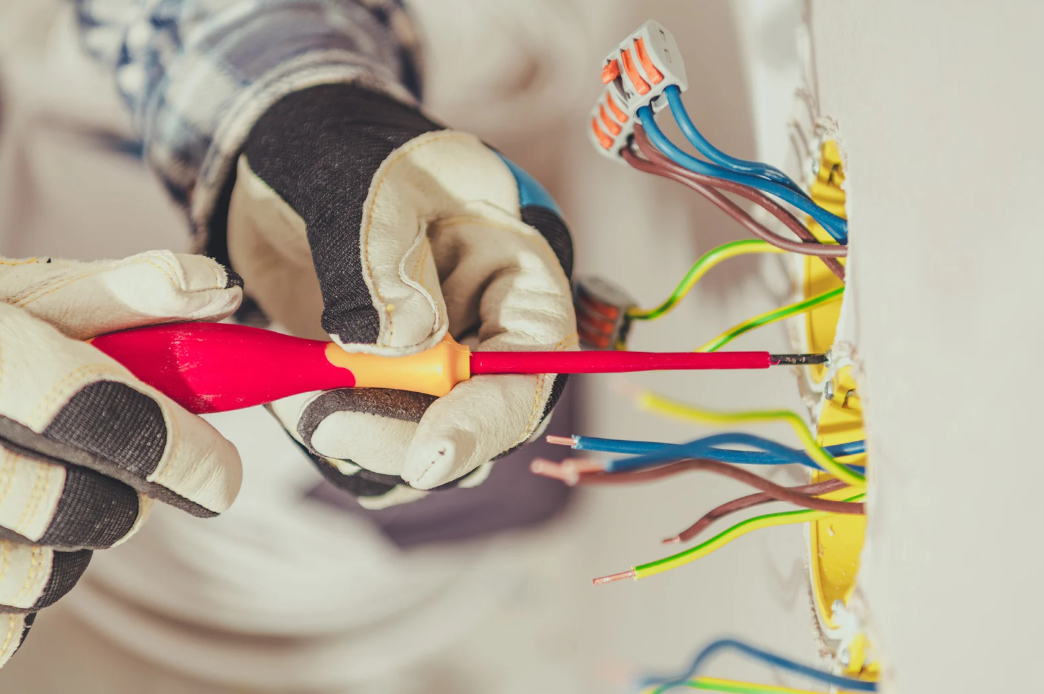
A panel upgrade often surfaces other electrical issues that have been sitting behind the walls for years. Older homes in Peachtree City sometimes have aluminum branch-circuit wiring or circuits that were run without AFCI or GFCI protection now required by code. If the inspection or our work at the panel turns up something like that, we can address it.
Our full electrical services page for Peachtree City covers the range of residential electrical work we do in Fayette County, from service calls to larger projects. If you want to understand what a panel upgrade involves before committing to anything, that is a good place to start.
For homeowners who need to go deeper than just the panel, our electrical panel upgrade service page walks through the full scope of that work, including what drives the cost and what to expect from the process.
Homes where the panel upgrade reveals wiring that needs attention may also benefit from our circuit rewiring services in Peachtree City. Outdated wiring and an undersized panel tend to go together in homes built before the 1990s, and fixing one without addressing the other can leave real safety issues in place.
If you are in Smokerise, Centennial, or anywhere else in Peachtree City and you are not sure where your electrical system stands, give us a call. We will give you a straight answer and a real estimate.
+