EV charger installation in McDonough, GA is the process of running a dedicated 240-volt circuit from your home’s electrical panel to a wall-mounted Level 2 charging unit, so your electric vehicle charges fully overnight instead of crawling along on a standard outlet. A licensed electrician sizes the circuit, pulls the required Henry County permit, mounts the charger in your garage or carport, and schedules the inspection before the job is considered done.
Henry County has been one of the fastest-growing counties in Georgia for years, and McDonough’s housing stock reflects that range. You’ve got historic homes near the Square with original wiring and panels that were never designed with EV loads in mind, established subdivisions with builder-grade 200-amp panels, and large newer homes out toward Lake Dow and Eagles Landing where the garages are bigger but the panel may still be tighter than you’d expect. The right installation starts with knowing what you’re actually working with.
All Purpose Heating & Air Conditioning has been doing electrical work in this area for over 35 years. Our crews make the run down I-75 to McDonough regularly. We know the local inspection process, we know the housing stock, and we’ll tell you straight what your panel can handle before we ever pull wire.
If you’ve got a new EV sitting in the driveway and you’re ready to stop waiting on a slow charge, give us a call or request your estimate below.
The most common trigger is simple: you bought an electric vehicle, plugged it into the nearest outlet, and discovered that a standard 120-volt Level 1 charger adds only a handful of miles per hour. If you’re driving a longer commute or running errands across Henry County, that math stops working fast. Most homeowners make the call to upgrade to a Level 2 charger within the first few weeks of ownership.
The second trigger is the panel. Homes near Historic McDonough and the Square often have original or early-replacement panels that were sized for a much lighter electrical load than a modern household carries. Adding an EV charger to a panel that’s already crowded, or one that’s still running older wiring, isn’t just a matter of finding an open breaker slot. It’s a conversation about whether the panel itself needs attention first.
Newer construction out toward Eagles Landing and the Lake Dow area brings a different question. Those homes tend to have larger garages, sometimes detached, and the distance from the main panel to where you actually want to park the car can be longer than it looks. A detached garage or a workshop at the back of a rural lot means more wire, more conduit, and a more involved permit than a straightforward interior garage installation.
HOA rules are another real factor in some McDonough subdivisions. Some associations have specific requirements about charger placement or exterior conduit visibility. We’ve worked through those conversations before and can help you understand what’s allowed before anything goes on the wall.
Every installation starts with a load calculation. Before we talk about charger models or circuit routing, we need to know what your panel is already carrying. That means looking at your current amperage, your existing circuits, and whether there’s realistic headroom for a dedicated EV circuit without overloading the service. If the panel is at its limit, we’ll tell you that clearly, and we can talk about a panel upgrade as part of the same project.
Once we know the panel can support the load, we help you select the right charger for your vehicle and your garage layout. Charger amperage matters here. A higher-amperage unit charges faster but requires a heavier circuit, which affects both the wire size and the cost of the job.
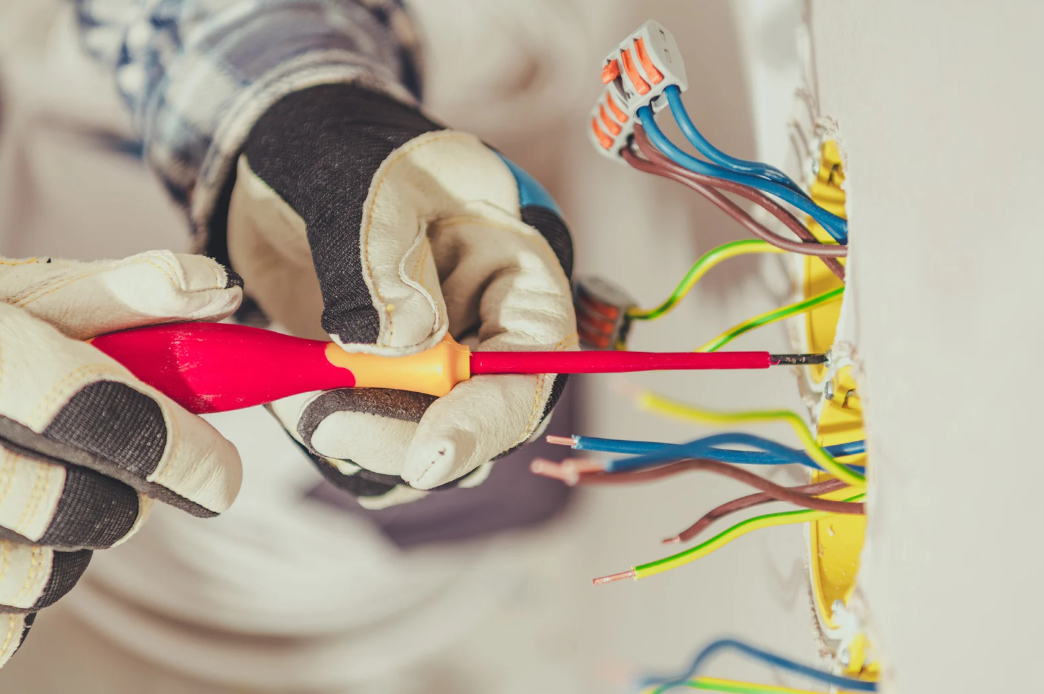
We run a dedicated 240-volt circuit from the panel to the charger location. No sharing circuits, no workarounds. The wire gauge, conduit routing, and breaker size are all matched to the charger’s requirements and to Henry County code.
We pull the permit before work begins. That’s not optional, and any electrician who skips it is leaving you with an unpermitted installation that can create problems when you sell the house or file an insurance claim.
After the charger is mounted and connected, the job goes through the required inspection. What drives cost and timeline on this job includes the distance from your panel to the charger location, whether the panel has available capacity or needs an upgrade, the amperage of the charger you choose, and the permit process. Request your estimate to get a real number for your specific situation.
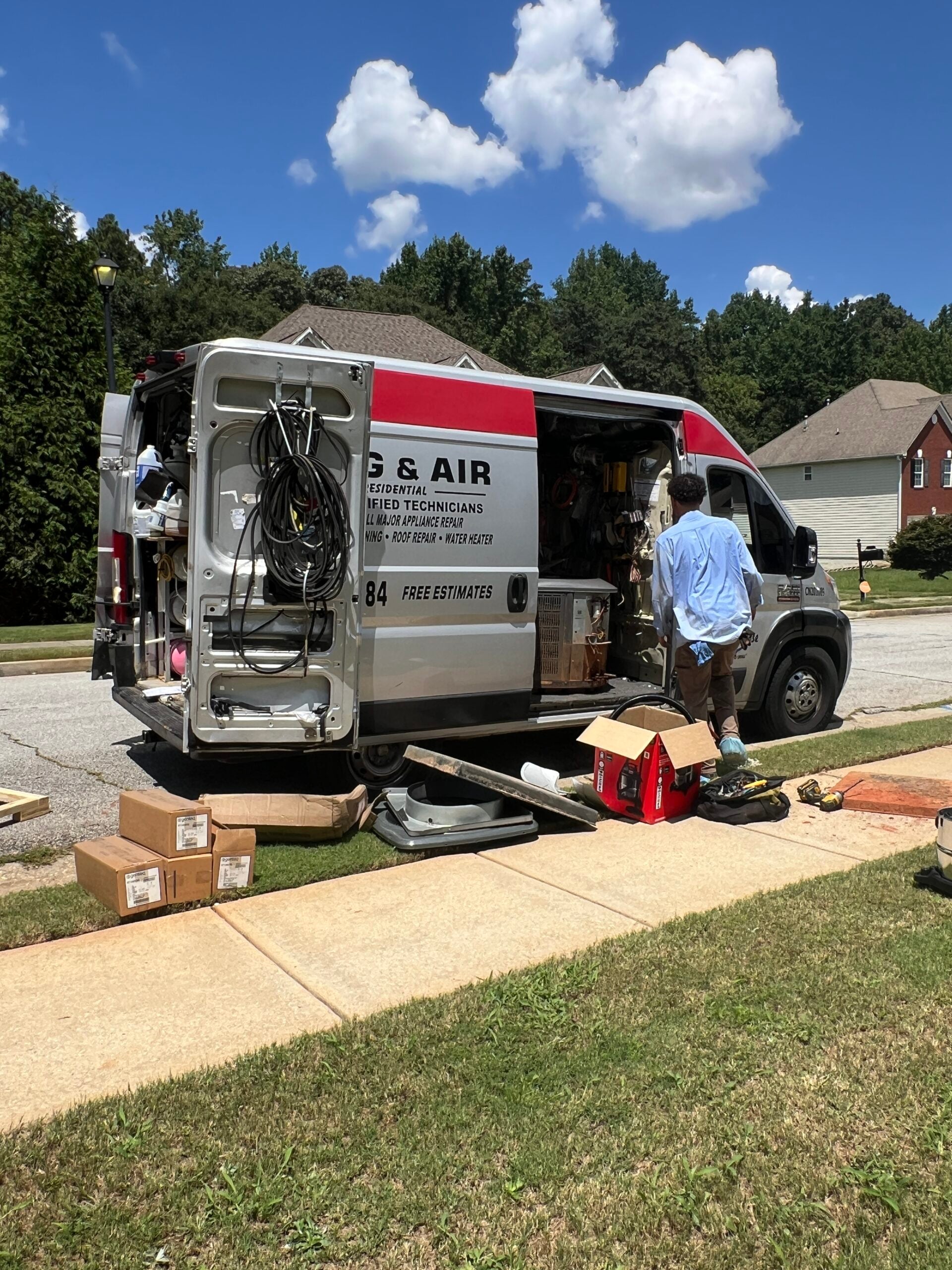
All Purpose Heating & Air Conditioning covers McDonough and the surrounding Henry County area as a regular part of our service territory. We’re about 30 minutes southeast of our Atlanta base on I-75, and our crews make that run often.
If you want to see everything we handle for homeowners in this area, our electrical services page for McDonough, GA covers the full range of residential electrical work we do here, from troubleshooting to new circuits to service upgrades.
For more detail on the EV charger installation process itself, including what to expect at each step and what questions to ask before you commit to a charger model, visit our EV charger installation service page.
Many McDonough homeowners also find that an EV charger conversation quickly becomes a panel conversation, especially in older homes near the Square or in any house where the original panel is still in place. If that comes up during your estimate, our panel upgrade information for McDonough explains what that process looks like and what it involves.
Whether you’re in an established neighborhood, a newer subdivision, or a rural property on the edge of the county, give us a call or request your estimate and we’ll figure out the right approach for your home.
+