EV charger installation in Conyers, GA is the process of running a dedicated 240-volt circuit from your home’s electrical panel to a Level 2 charging unit mounted in your garage, carport, or on an exterior wall. A licensed electrician sizes the circuit, pulls the required Rockdale County permit, and connects the charger so it meets current electrical code before a county inspector signs off.
Most homeowners in Conyers make this move after realizing a standard 120-volt outlet just does not keep up with daily driving. A Level 2 charger charges several times faster and is hardwired to a dedicated circuit sized specifically for the load. It is a straightforward upgrade when the panel has capacity. When it does not, there is a step before the charger.
Conyers covers a wide range of housing stock. Homes near Olde Town may have original panels and wiring from the 1960s and 1970s. Ranch and split-level subdivisions built through the 1980s and 1990s, including those off the Flat Shoals corridor, often have builder-grade panels that were never sized for an EV load on top of everything else running in the house. Newer construction along Salem Road tends to have more headroom, but not always. The panel tells the story.
All Purpose Heating and Air Conditioning has been doing electrical work in this area for more than 35 years. Conyers is about 30 minutes east of our Atlanta base on I-20, and our crews make that run regularly. We know the local permit process, we know the housing stock, and we give you a straight answer about what your panel can handle before we start any work.
The most common trigger is simple: you bought an electric vehicle and plugged it into a regular outlet. It works, technically. But a 120-volt Level 1 charger can take the better part of a day to recover a full charge, and if you are driving any real distance, you may wake up to a car that is not ready. That is when most people start looking at a Level 2 installation.
The second question is usually about the panel. Homes in the older neighborhoods around Olde Town Conyers and in the ranch-style subdivisions built through the 1980s frequently have panels in the 100-amp range, sometimes with breaker slots that are already full. Adding a dedicated 240-volt circuit for an EV charger is not something you can squeeze into a panel that is already at its limit. A load calculation comes first. If the panel cannot support it, a panel upgrade is the right move before the charger goes in.
Garage and lot layout matter too. Homes in Honey Creek and Lakeview Estates often have detached garages or long driveways, which means the circuit run from the panel is longer and the installation is more involved. Some homeowners in HOA communities have questions about where the charger can be mounted and whether exterior conduit is allowed. We can work through those details with you before anything is ordered or installed.
Winter ice storms tend to hit the east side of the metro harder than areas closer to Atlanta. After a power outage, some homeowners come back to tripped breakers or other electrical issues and realize their panel needs attention before they add any new load. If that sounds familiar, it is worth having someone look at the panel before the charger goes in.
The job starts with a load calculation. We look at your panel’s rated capacity, what is already connected, and how much headroom exists for a dedicated EV charger circuit. If the panel can support it, we move forward. If it cannot, we tell you that before any work begins.
Next is charger selection. The amperage of the charger affects how fast it charges and what size circuit it requires. We help you match the charger to what your panel can support and what your vehicle actually needs. There is no point in oversizing a circuit for a charger your car cannot use.
Once the charger is selected, we run a dedicated 240-volt circuit from the panel to the mounting location. We pull the required Rockdale County permit before we start. The permit is not optional, and any electrician who suggests skipping it is not someone you want working on your home.
What drives cost on this job is a combination of factors: the distance from your panel to where the charger mounts, whether the panel has available capacity or needs an upgrade first, the amperage of the charger circuit, and the permit itself. A charger going into a garage directly adjacent to the panel in a newer Salem Road home is a different job than running conduit to a detached workshop on a larger lot toward the county line. An estimate is the only honest way to give you a real number.
After installation, Rockdale County inspects the work. We coordinate that inspection and make sure everything is signed off before we consider the job done.
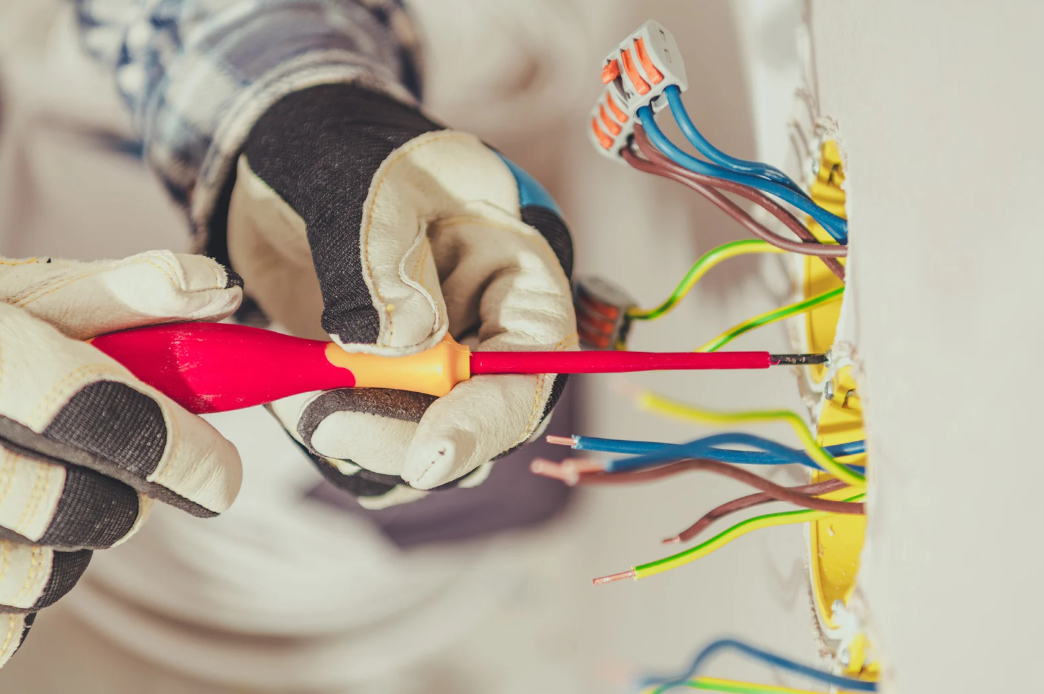
EV charger installation is one piece of what we do for homeowners in this area. If you want to see the full picture of our electrical services in Rockdale County, our Conyers electrician page covers everything from troubleshooting to whole-home electrical work, with details specific to the housing stock and permit requirements here.
If a load calculation reveals your panel does not have the capacity for an EV charger circuit, that is not a dead end. It just means the panel comes first. Our panel upgrade service for Conyers homeowners explains what that process looks like, what triggers it, and how it gets done to code. A lot of homes in this area are overdue for that conversation anyway, especially those with original 100-amp panels that have never been touched.
If you are still early in the process and want to understand what EV charger installation involves before committing to anything, our EV charger installation service page walks through the full scope of the work, what to expect, and what questions to ask.
We serve Conyers and the surrounding Rockdale County area as part of our regular coverage. Whether your home is a newer build off Salem Road or a 1970s split-level closer to Milstead, we have seen the panels and the wiring in houses like yours. Request your estimate and we will take a look at what your specific home needs.
+