EV charger installation in Atlanta means running a dedicated 240-volt circuit from your electrical panel to wherever your vehicle parks, mounting a Level 2 charger, and pulling the required permit so the work passes city or county inspection. Done right, it turns an overnight trickle charge into a full battery by morning.
Atlanta’s housing stock makes this job more involved than it looks on paper. Intown neighborhoods like Virginia-Highland, Grant Park, and Inman Park are full of bungalows and craftsman homes built in the early 1900s, many with original wiring and panels that were never sized for a modern EV load. Newer construction in other parts of the city often has builder-grade panels that look fine until you start adding circuits. The age of your home and the condition of your panel matter before a single wire gets run.
Detached garages are common on older Atlanta lots, and they add real distance between the panel and the charger. That distance affects conduit routing, wire gauge, and the overall scope of the job. A carport, a shared driveway, or a condo parking deck each comes with its own set of questions.
All Purpose Heating & Air Conditioning has been doing electrical work in Atlanta for more than 35 years. Our crews are across the city every day. If you want to know what the job involves at your specific house, request your estimate and we will take a look.
The most common trigger is simple: you bought an electric vehicle and the Level 1 cord that came in the box is not cutting it. Plugging into a standard 120-volt outlet works in a pinch, but adding 30 or 40 miles of range overnight is not enough for most Atlanta commutes. A Level 2 charger on a dedicated 240-volt circuit changes that math entirely.
The second trigger is the panel. A lot of homes in older Atlanta neighborhoods were built long before anyone imagined plugging a car into the house. If your panel is already loaded with circuits for central air, an electric dryer, a water heater, and a range, there may not be capacity to add a 40 or 50-amp EV circuit without first doing a panel upgrade for your Atlanta home. We find this situation regularly in mid-century homes and in early-1900s intown houses that have been renovated but never had the panel brought up to match.
HOA rules and garage layout questions come up constantly. Townhome and condo owners in Midtown and Buckhead often need to understand what is allowed in shared parking areas before they can move forward. Homeowners with a detached garage or a workshop at the back of the lot need to know how the circuit will get there, whether that means trenching under a driveway or running conduit along an exterior wall.
If any of these situations sound familiar, the right next step is an on-site look. Give us a call or request your estimate and we will tell you exactly what your house needs.
Every EV charger installation starts with a load calculation. We look at your panel’s rated capacity, what is already pulling from it, and how much headroom is left. That step determines whether we can add a dedicated EV circuit as-is or whether the panel needs attention first. Skipping it is how people end up with tripped breakers or overloaded equipment.
Once we know the panel can handle it, we help you select the right charger. Amperage rating matters here. A higher-amperage charger adds range faster but also requires a larger circuit and heavier wire. The right choice depends on your vehicle, your daily driving distance, and how the panel is situated.
We then run the dedicated 240-volt circuit. The route from your panel to the charger location drives a meaningful part of the job’s scope. A charger mounted on an interior garage wall two feet from the panel is a different job than one mounted in a detached garage across the yard, where we may need to trench conduit underground or work around hardscape. Distance, wire gauge, conduit material, and the path through finished walls or ceilings all affect what the job involves.
We pull the permit before any work begins. Atlanta and the surrounding municipalities require permits and inspections for this type of work. We handle that process. After the charger is mounted and connected, a city or county inspector signs off on the installation.
Cost and timeline are driven by panel capacity, charger amperage, distance from the panel, and what the permit process requires in your jurisdiction. Request your estimate to get a real number for your specific situation.
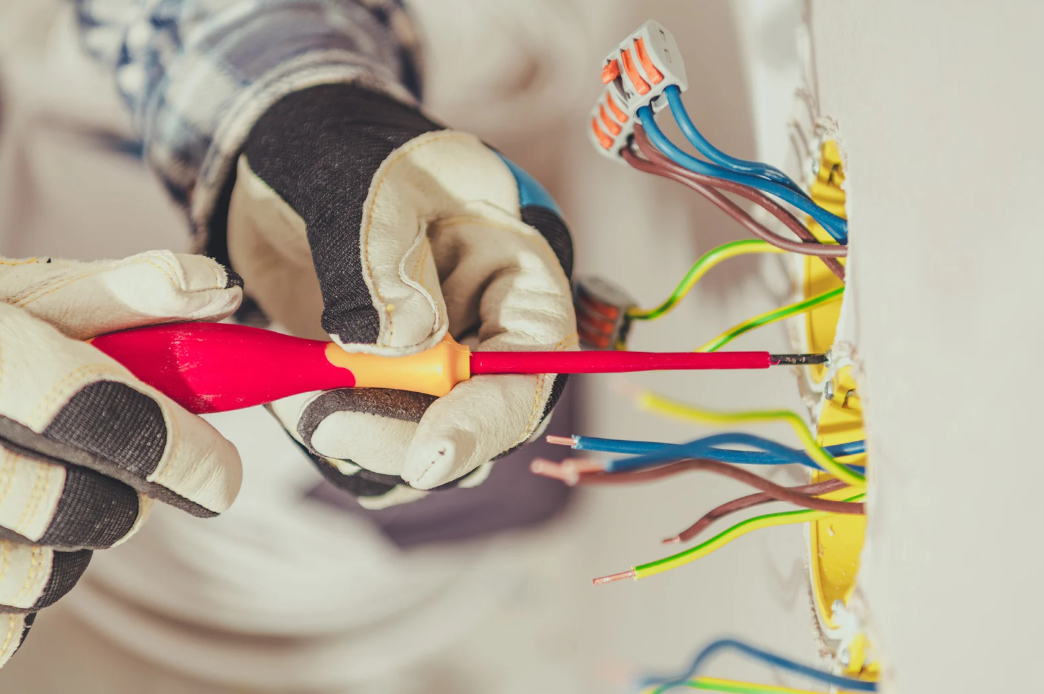
If you are researching EV charger installation, you may also have questions about other electrical work at your house. Our Atlanta electrician services page covers the full range of residential electrical work we do, from troubleshooting and repairs to whole-home rewiring, so you can see everything in one place.
If you want to go deeper on the EV charger installation process itself, our EV charger installation service page walks through the details of Level 2 charger options, what the dedicated circuit involves, and what to expect from the permit and inspection process.
And if the load calculation turns up a panel that does not have room for an EV circuit, the conversation shifts to capacity. Our page on panel upgrades in Atlanta explains when an upgrade makes sense, what the process looks like, and what factors affect the scope of that job.
All Purpose Heating & Air Conditioning runs crews across Atlanta every day. Whether you are in Old Fourth Ward, West End, East Atlanta, or anywhere else in the city, we are not driving in from out of town. We know these neighborhoods, we know the housing stock, and we know what older panels and long garage runs actually look like in the field. Request your estimate and let’s figure out what your home needs.
+