Furnace installation and replacement in Alpharetta, GA is the process of removing an existing heating system and fitting a correctly sized, properly vented new furnace that matches your home’s layout, duct configuration, and heating load. Done right, it restores reliable heat and improves efficiency. Done wrong, it creates the same problems you were trying to fix.
Alpharetta sits on the north side of the metro, and the winters here are noticeably colder than what homeowners closer to the city deal with. Freezing nights are more common, and a furnace that was borderline adequate a decade ago can fall short fast when temperatures drop hard. If your system is struggling to keep up, that gap between what it can do and what your house needs has probably been widening for a while.
A large portion of Alpharetta’s housing stock was built during the 1980s and 1990s, particularly in neighborhoods like Windward and along the Haynes Bridge corridor. The builder-grade furnaces installed in those homes are now well into or past the age range where replacement becomes the smarter call. They were sized for the house as it was originally built, not for additions, finished basements, or updated insulation levels.
All Purpose Heating and Air Conditioning has been doing this work in Alpharetta and across the north Atlanta metro for more than 35 years. We know the housing stock here, we know how the ductwork in these subdivisions tends to age, and we know how to size equipment for the way these homes actually perform today.
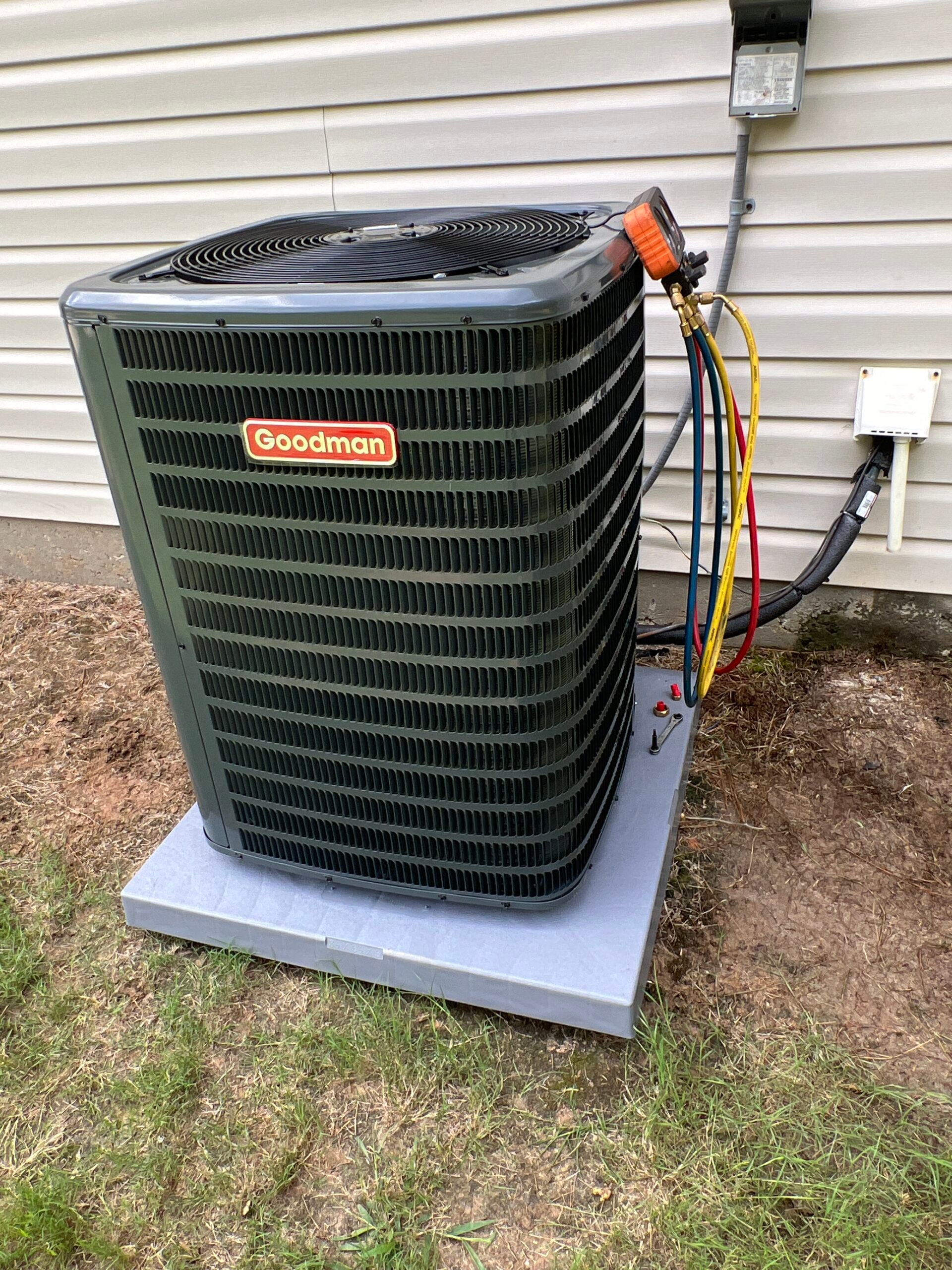
Most furnaces have a general industry lifespan in the range of 15 to 20 years. That’s a useful benchmark, but it’s not the whole picture. How the system was installed, how well it was maintained, and how hard it’s had to work all affect how long a furnace actually holds up. In Alpharetta, where winter nights can dip below freezing more often than people expect, a furnace running at the edge of its capacity is going to wear out faster.
A cracked heat exchanger is one of the clearest reasons to replace rather than repair. It’s a safety issue, not just a performance one, and patching around it is not a real solution. If a technician has flagged a cracked heat exchanger, replacement is the right conversation to have.
Repeated no-heat calls are another signal. One service call can be a bad capacitor or a failed igniter. Two or three calls in the same season, or calls that keep coming back for the same underlying problem, usually mean the system is past the point where repairs make financial sense.
Then there’s the comfort problem. If your home never quite gets warm on the coldest nights, even with the thermostat cranked up, the furnace may be undersized, worn out, or both. This is especially common in older Windward-area homes that have had rooms added or finished over the years. The original equipment was sized for a different floor plan, and it was never updated to match.
If any of these sound familiar, it’s worth having someone come out and take a real look. Request your estimate and we’ll tell you what we find.
Before we pull anything out, we do a proper load calculation. That means measuring the home, accounting for insulation, window area, ceiling height, and duct condition, and arriving at a real number for what the new furnace needs to deliver. Skipping this step and just swapping in the same size as the old unit is one of the most common mistakes in this trade. An oversized furnace short-cycles. An undersized one runs constantly and still can’t keep up on the coldest nights.
Equipment selection follows from the sizing. Efficiency rating, fuel type, and whether the existing venting can handle the new unit all factor in. High-efficiency furnaces vent differently than older models, and some homes need venting modifications to accommodate the change. We talk through the options with you before anything is ordered.
Removal of the old furnace comes next. We disconnect the gas line and electrical connections, pull the unit, and inspect the duct connections and plenum while we have access. If there’s duct work that needs attention, we’d rather catch it now than after the new system is buttoned up.
Installation covers mounting the new unit, making all gas and electrical connections to code, and setting up the venting properly. Then we do a full startup and safety test, which includes checking for gas leaks, verifying the heat exchanger is seated correctly, confirming airflow through the system, and making sure the thermostat is communicating the way it should.
What drives cost on this job is furnace size and efficiency rating, whether venting changes are needed, any gas line work required, and removal of the old equipment. An estimate gives you a real number for your specific situation.
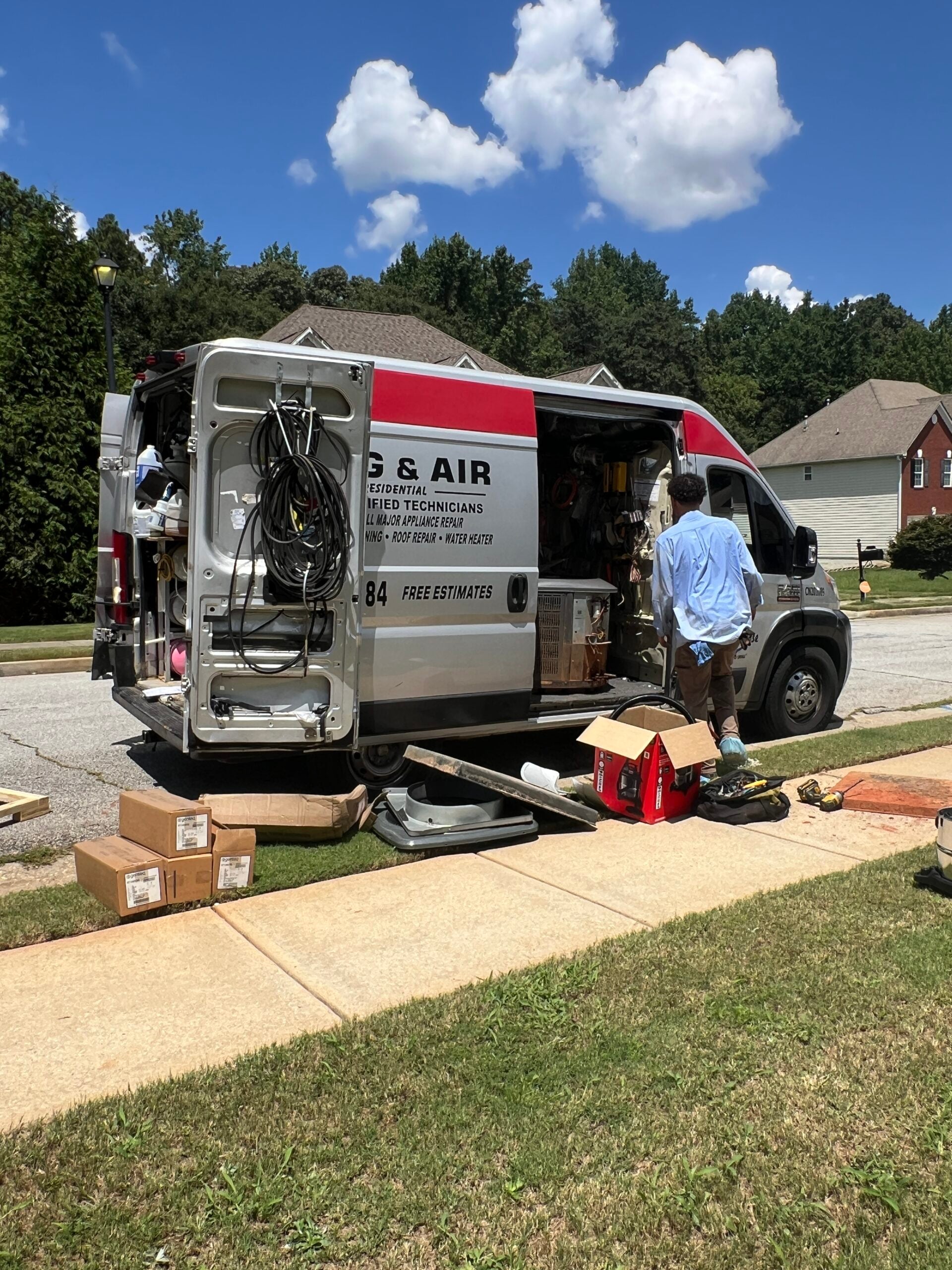
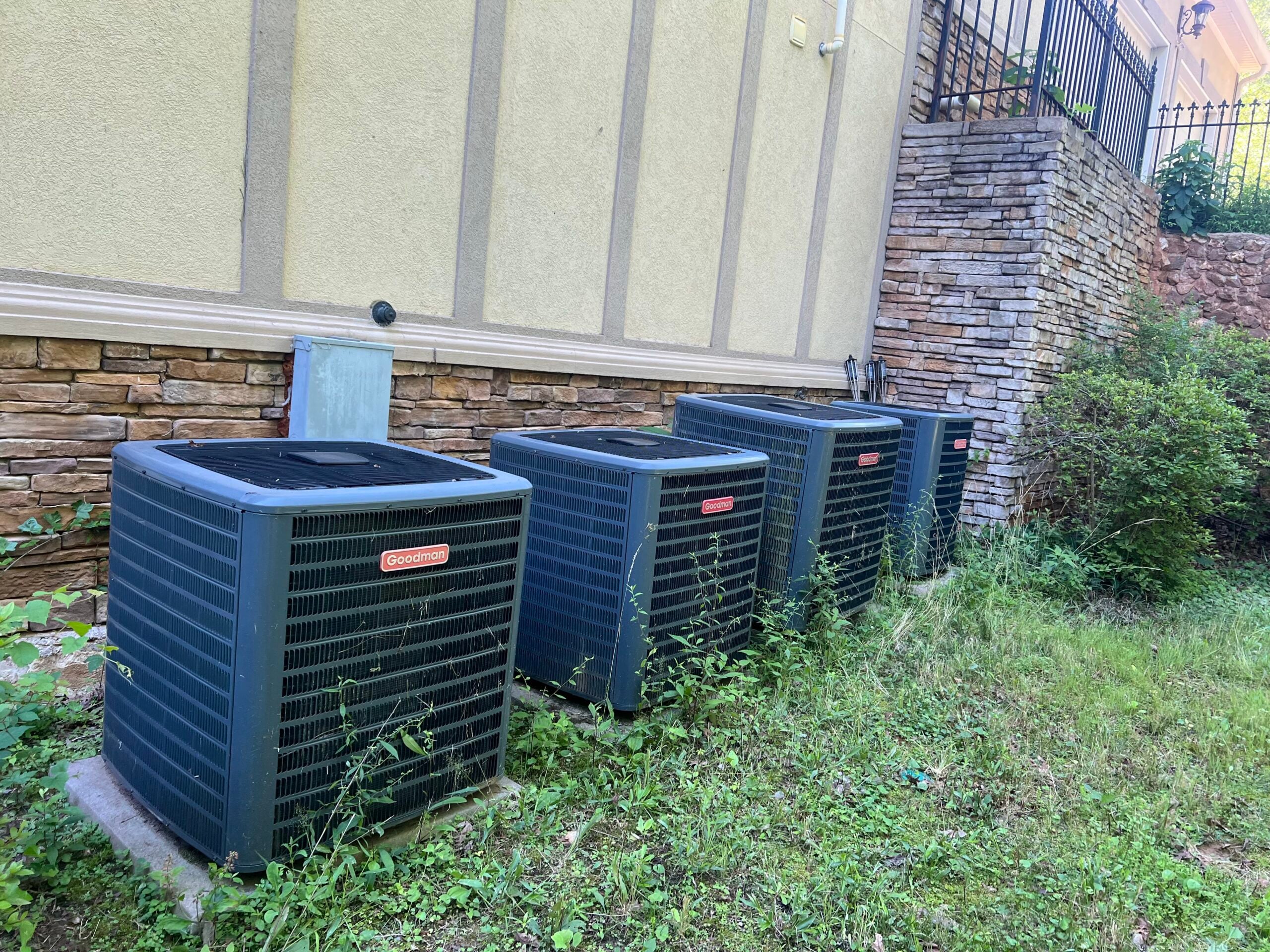
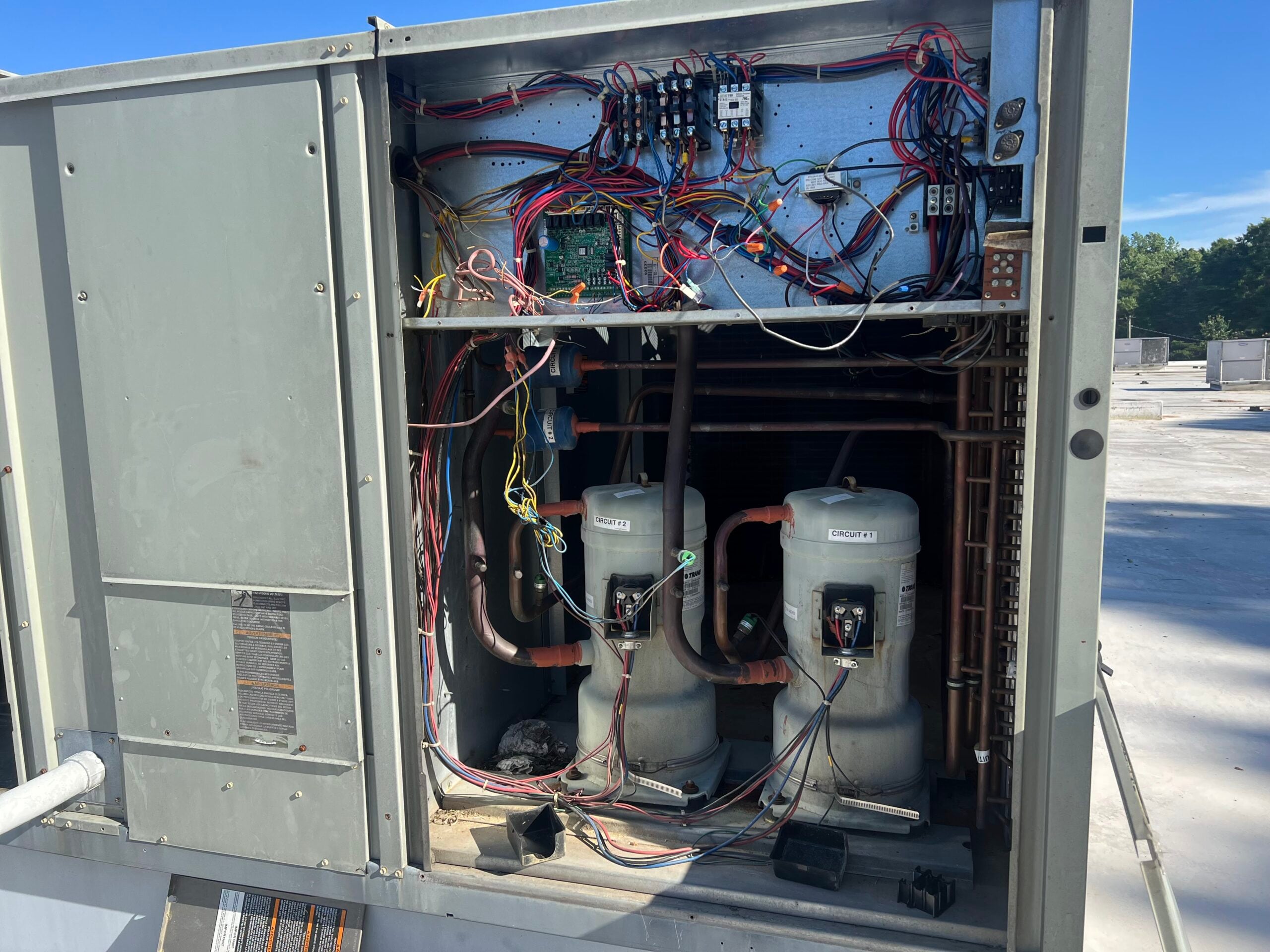
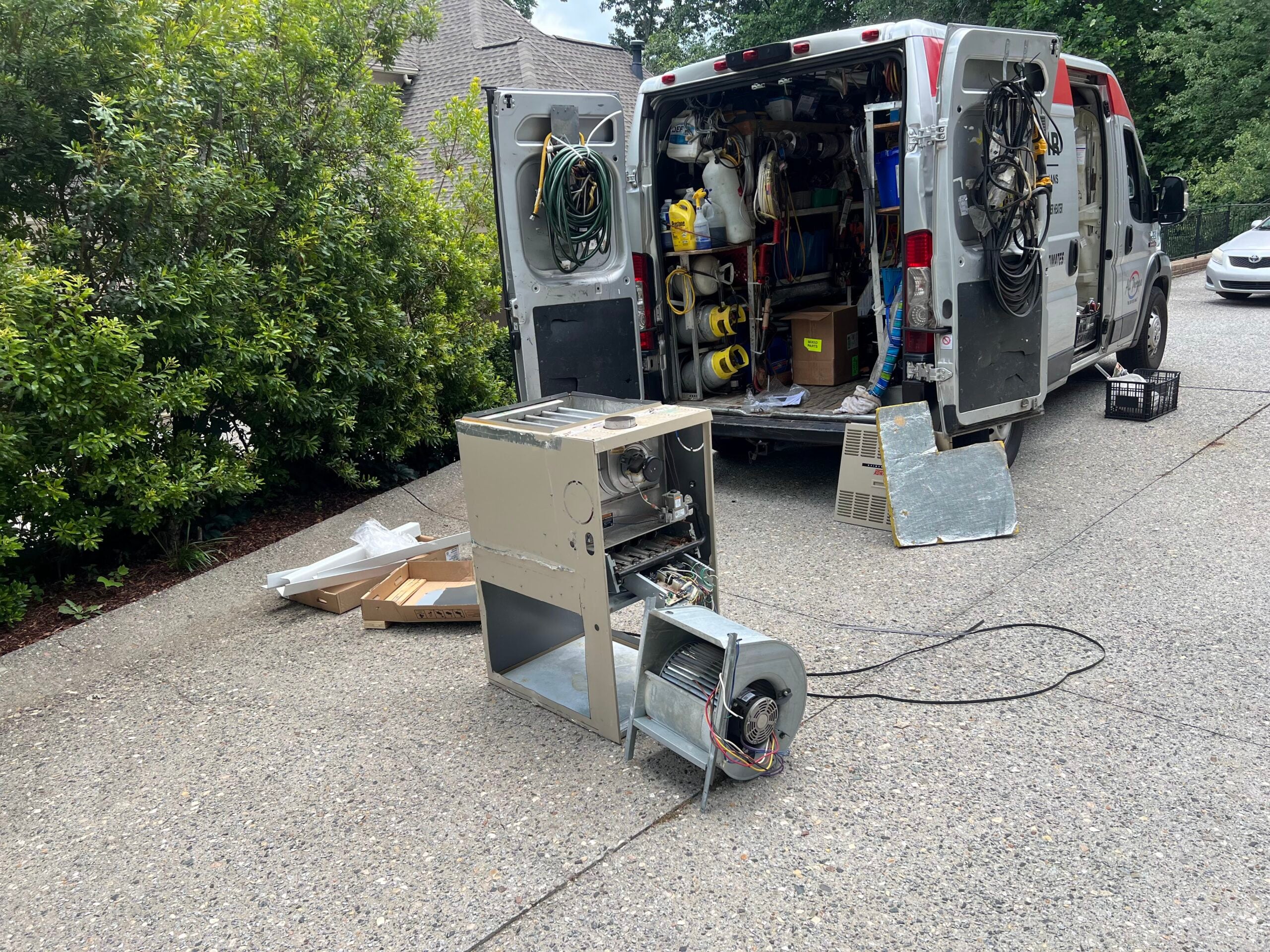
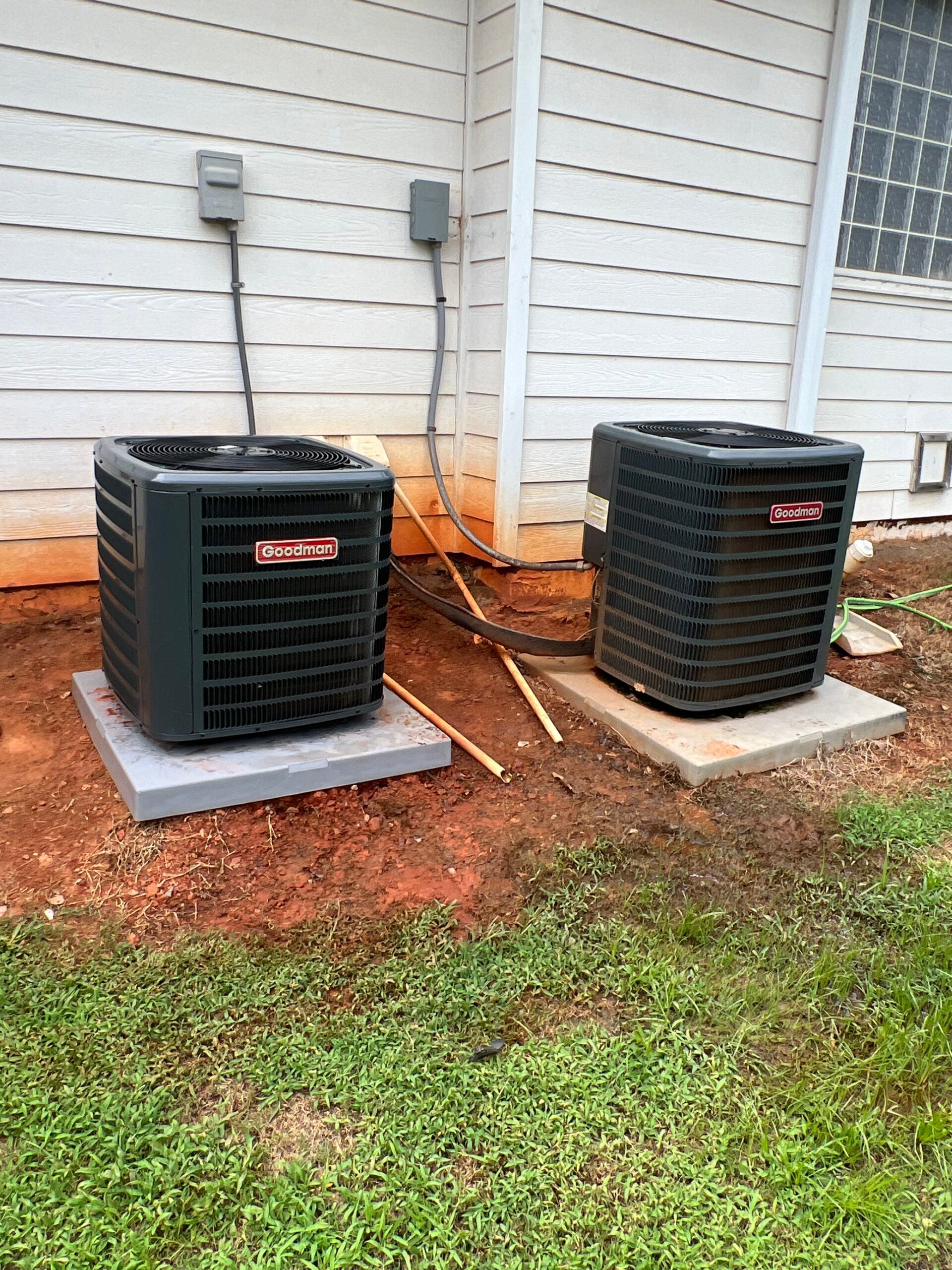
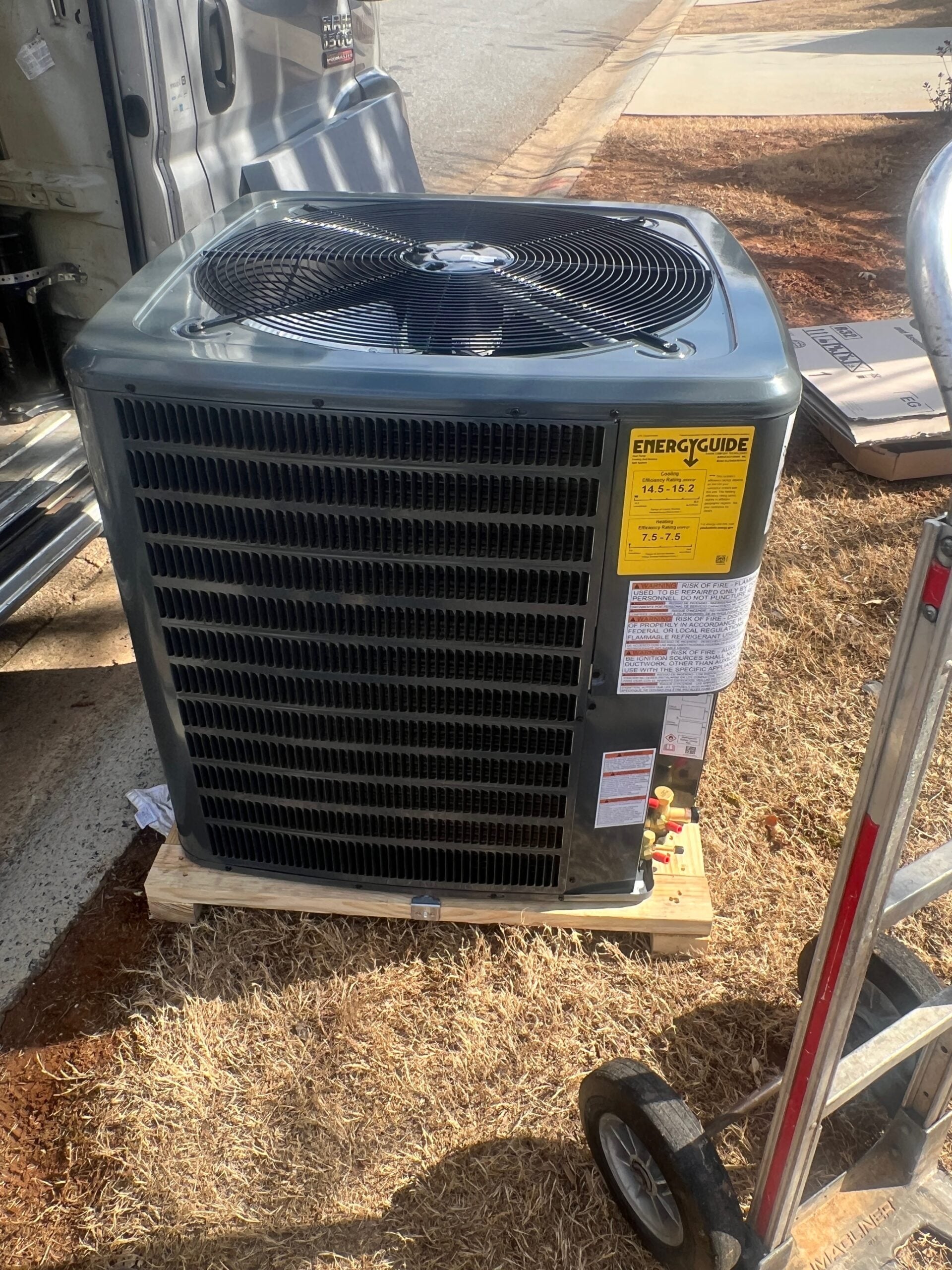
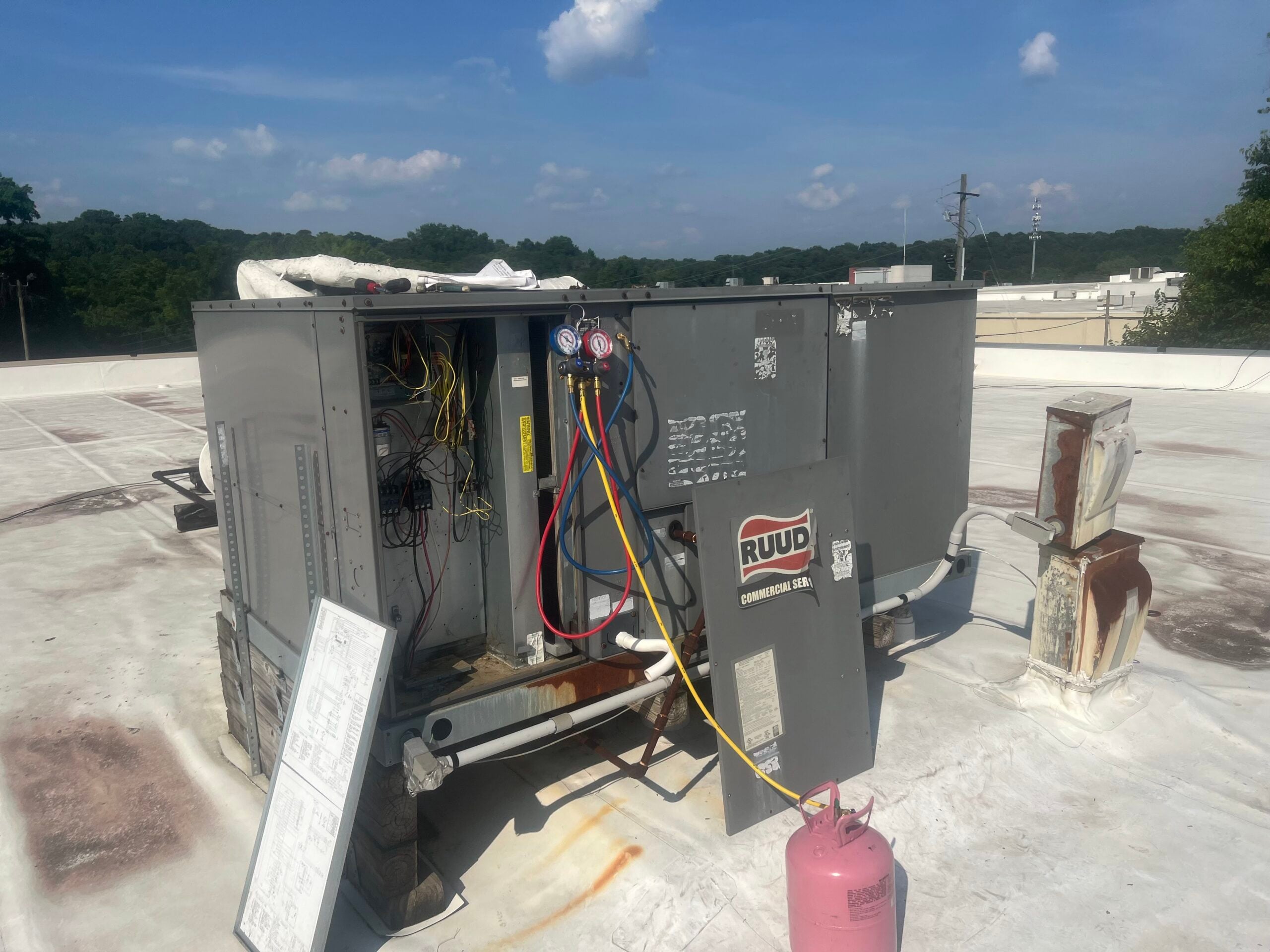
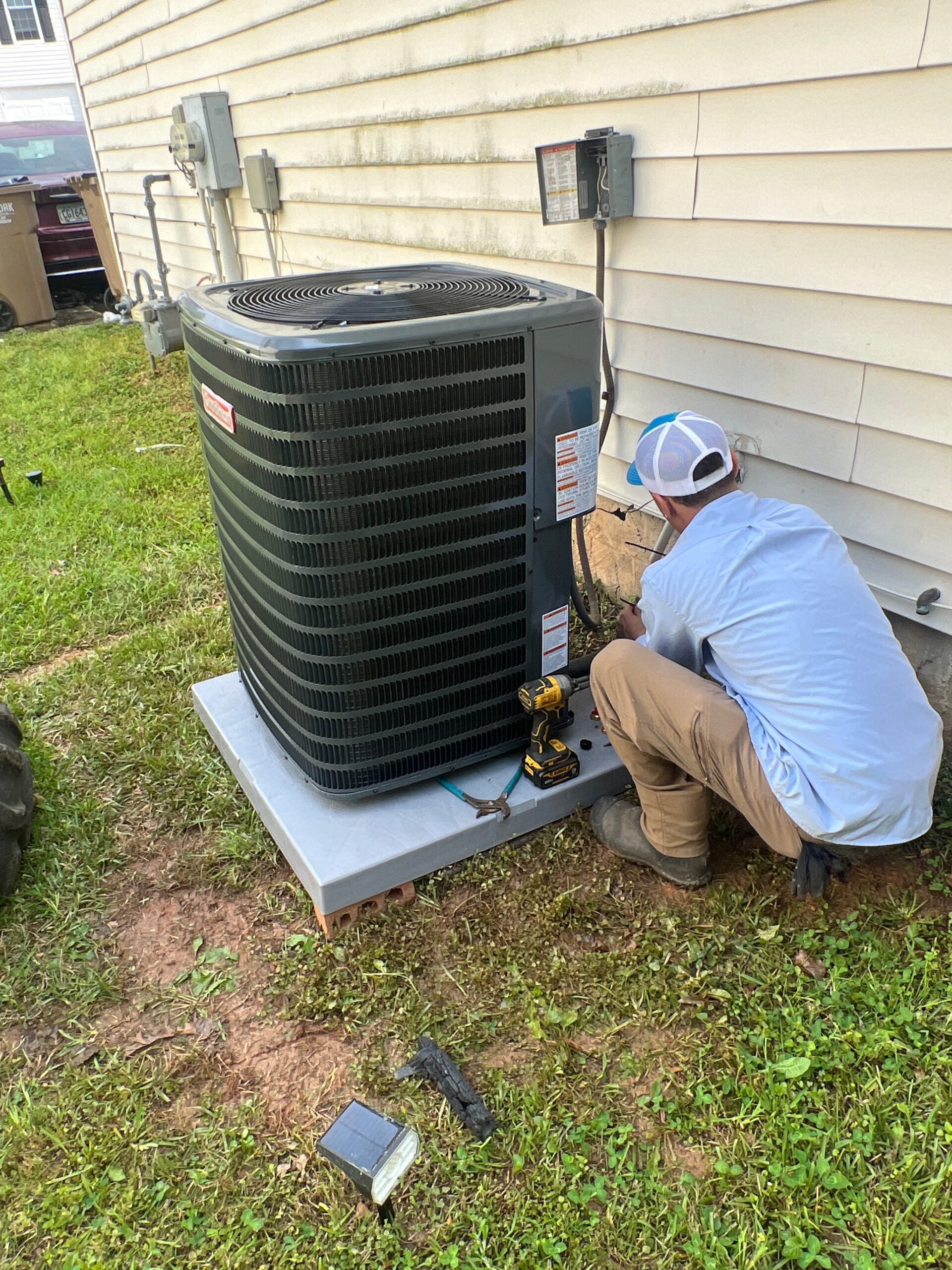
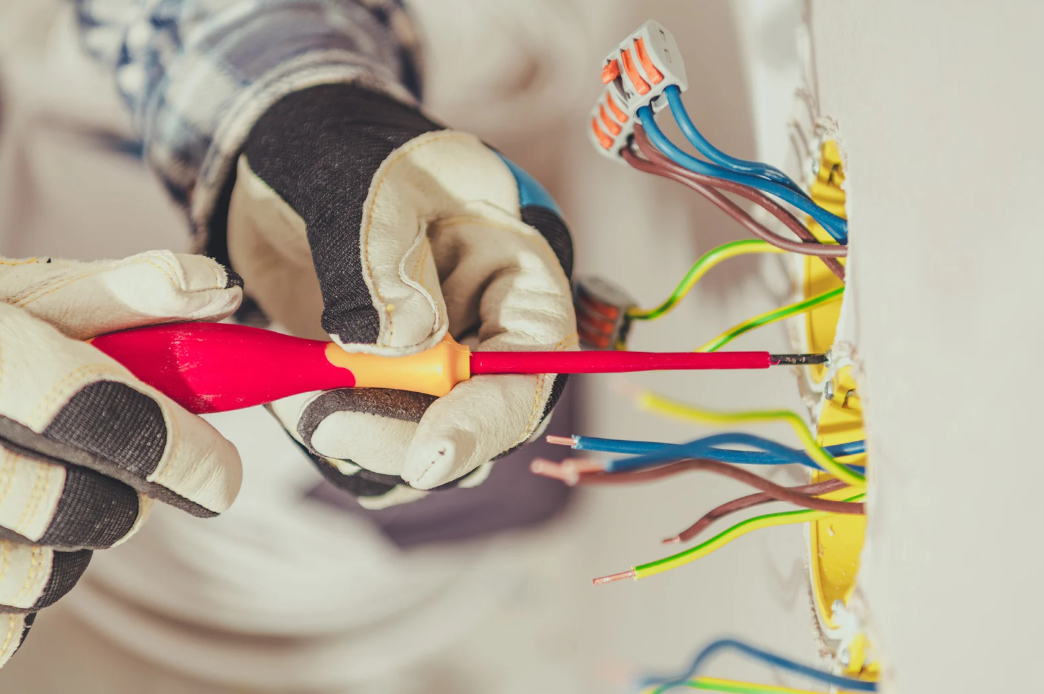
Furnace installation is one part of what we do for homeowners in this area. If you want to see the full picture of our heating and cooling work in the area, our Alpharetta HVAC services page covers everything we handle for homes and businesses here.
If you’re still deciding whether installation is the right move or want to understand what the process looks like in more detail, our furnace installation service page walks through the work and what to expect.
And if your cooling system needs attention while we’re out, or you want to think ahead to next summer, our AC repair page for Alpharetta covers that side of the work. The north Atlanta summers are long and humid, and the stretch from late May through September puts real stress on cooling equipment. It’s worth knowing who to call before you’re in the middle of a heat wave with a system that won’t start.
All Purpose Heating and Air Conditioning works Alpharetta regularly, and we’re familiar with the neighborhoods, the housing stock, and the way systems in this area tend to age. Whether you’re in a 1990s subdivision near Webb Bridge, a newer build close to Avalon, or a larger property toward the Milton border, we can get out to you, assess what you have, and give you a straight answer about what comes next.
Give us a call or request your estimate and we’ll get you on the schedule.
+