Leak detection and pipe repair in Atlanta, GA is the process of locating water loss inside or beneath a home and restoring the damaged pipe so the system holds pressure and works the way it should. A trained plumber uses pressure testing, acoustic tools, and visual inspection to pinpoint a leak without tearing out walls or floors unnecessarily, then repairs or replaces the affected section and confirms the fix before leaving.
Atlanta’s housing stock makes this work genuinely interesting. A bungalow in Virginia-Highland or a craftsman in Grant Park may still have original galvanized steel pipe that has been slowly rusting from the inside for decades. A home built in the 1980s in West End or East Atlanta could have polybutylene supply lines, a material that became notorious for failing without much warning. Newer construction and renovated condos near the BeltLine tend to have copper or PEX, which behave differently and call for different repair approaches. The pipe under your floor is not the same pipe as the one three blocks over.
Then there is what is outside the house. Atlanta’s red clay soil shifts with rain and drought cycles, and tree roots follow water wherever they can find it. Both put steady mechanical stress on underground supply and drain lines. A pipe that looked fine five years ago may have a slow crack working its way open right now.
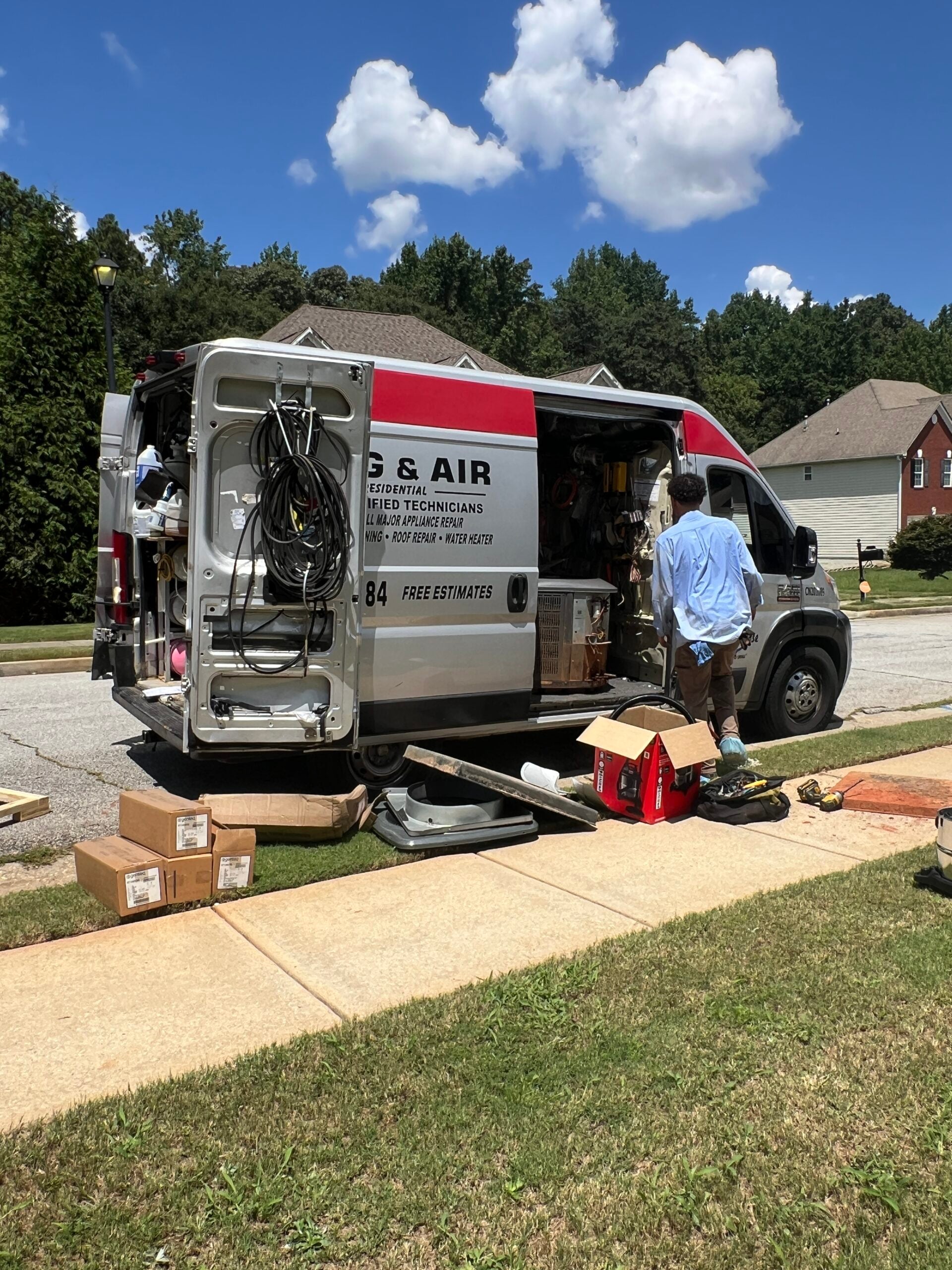
All Purpose Heating and Air Conditioning has been working in Atlanta homes for more than 35 years. Our crews are across the city every day. If you have a leak you cannot explain or a pipe you suspect is failing, give us a call and we will take a look.
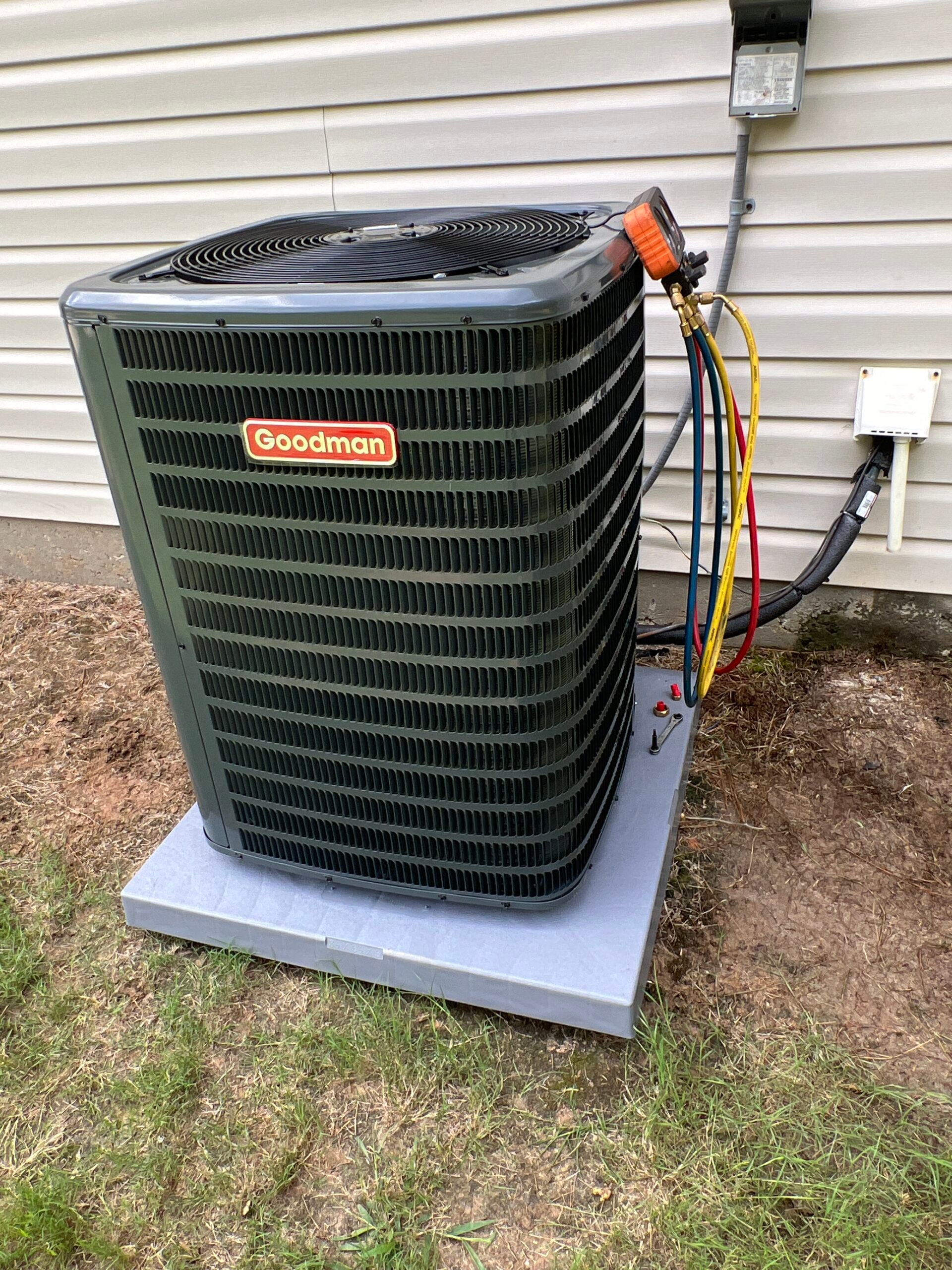
Some leaks announce themselves. A burst pipe or water pouring from a ceiling is hard to miss. But most leaks are quieter, and those are often the ones that cause the most damage before anyone notices.
A water bill that jumped without any change in how much water you used is one of the clearest signals. If your meter is spinning with every faucet and fixture in the house turned off, water is going somewhere it should not be. Low pressure at the tap, especially if it came on gradually, can mean a supply line is losing volume through a crack or a corroded section.
Inside the home, look for warm spots on a concrete slab floor, which can indicate a hot water line leaking beneath it. Stains spreading across a ceiling or a soft spot in drywall near a wall cavity are signs a pipe above or inside that surface has been weeping for a while. Musty odors in a cabinet under a sink or along a wall often mean the same thing.
Older intown neighborhoods add specific risk factors. Galvanized pipe in a home built before 1960 corrodes from the inside out, so the outside of the pipe can look intact while the interior is nearly closed off with rust. Polybutylene lines, common in homes built between the late 1970s and mid-1990s, can develop micro-fractures that are nearly invisible until they let go. Atlanta’s occasional hard freezes, rare but real, can split a pipe that was already weakened.
If any of these sound familiar, do not wait. Request your estimate and let us find out exactly what is happening.
The first thing we do is locate the leak precisely. That sounds obvious, but it matters a great deal. We use pressure testing to confirm there is a loss in the system and to help narrow down which section is responsible. From there, acoustic detection equipment lets us listen for the sound of water escaping through pipe walls, which helps us zero in on the exact spot without opening up large sections of your home.
Once we know where the leak is, we open the smallest area necessary to reach it. That might mean cutting a section of drywall, lifting a small area of flooring, or accessing a pipe through a crawlspace or utility area. We do not excavate or demolish more than the job requires.
The repair itself depends on what we find. A short section of damaged copper or PEX may need to be cut out and replaced. A longer run of failing galvanized or polybutylene may call for repiping that section entirely. We use the right material for the situation and the existing system.
After the repair, we pressure test the line again to confirm it holds. We do not consider the job done until the numbers say it is.
What drives the cost and timeline of a leak repair? The location of the leak and how easy it is to access matter significantly. Slab leaks take more time and care than wall leaks. The material being replaced, the length of pipe involved, and whether other systems are in the way all factor in. The only way to get a real number for your specific situation is to request your estimate.

Leak detection and pipe repair is one part of what we do for Atlanta homeowners. If you want to understand the full range of plumbing services we offer in the city, our Atlanta plumber service page covers everything and is a good place to start if you are not sure which service fits your situation.
If you want to go deeper on leak detection and pipe repair specifically, including what the process looks like and what to expect, our leak detection and pipe repair service page walks through the details.
One thing that comes up often during leak investigations: we find the supply lines are fine but the water heater has been running hard to compensate for a slow loss, or we discover the water heater itself is the source of the leak. If that is your situation, our Atlanta water heater services page explains how we handle tank and tankless systems, repairs, and replacements.
We also serve homeowners in Alpharetta, Conyers, Peachtree City, Newnan, and McDonough. If you are in or around Atlanta and something with your plumbing is not right, give us a call or request your estimate and we will get someone out to take a look.
+