An electrical panel upgrade is the process of replacing an older or undersized breaker panel with a new one that meets your home’s current load demands and Georgia’s electrical code requirements. For Metro Atlanta homeowners, it is one of the most consequential electrical projects a house can need, and one of the most misunderstood.
Most panels are rated for a specific amperage. When the devices, appliances, and systems in your home outgrow that rating, or when the panel itself is simply old and unsafe, an upgrade is the right answer. A new panel gives your home the capacity to handle modern loads, protects circuits with current breaker technology, and brings the service entrance into compliance with code.
At All Purpose Heating & Air Conditioning, we have been doing this work in Georgia for more than 35 years. We pull the permit, coordinate with the utility, and handle everything from the load calculation to the final inspection. You do not have to manage the moving parts.
If you are not sure whether your panel needs to be replaced or just repaired, that is exactly what the estimate conversation is for. We will look at what you have, tell you what we find, and give you a straight answer.
Some panel problems announce themselves. Others sit quietly until something fails. Here is what to look for, and what each sign means if you leave it alone.
None of these problems fix themselves. The longer a failing panel runs, the higher the risk to your home and everyone in it.
A panel upgrade is not just swapping one box for another. Done right, it follows a specific sequence, and every step matters.
Load calculation. Before we order anything, we calculate the actual electrical demand of your home. That means accounting for your HVAC equipment, water heater, kitchen appliances, EV charger if applicable, and everything else on the service. The calculation determines what amperage panel your home actually needs, not just what fits in the space.
Permit. We pull the permit. This is not optional, and any contractor who suggests skipping it is not someone you want touching your panel. The permit protects you legally and ensures the work gets inspected by a third party who answers to no one but the code.
Utility coordination. Georgia Power or your local utility has to disconnect the service entrance before we can touch the panel. We coordinate that scheduling so the job does not stall waiting on a truck that was never called.
Panel and breaker replacement. We remove the old panel and install the new one with properly rated breakers. Where code requires AFCI or GFCI protection on specific circuits, we install it. No exceptions, no workarounds.
Grounding and bonding. A new panel is only as safe as its grounding system. We inspect and upgrade the grounding electrode system and bonding connections to meet current NEC requirements. Older homes in particular often have grounding that was acceptable decades ago but does not meet today’s standard.
Inspection. The job is not done when we button up the panel. It is done when the inspector signs off. We schedule the inspection and we are there for it.

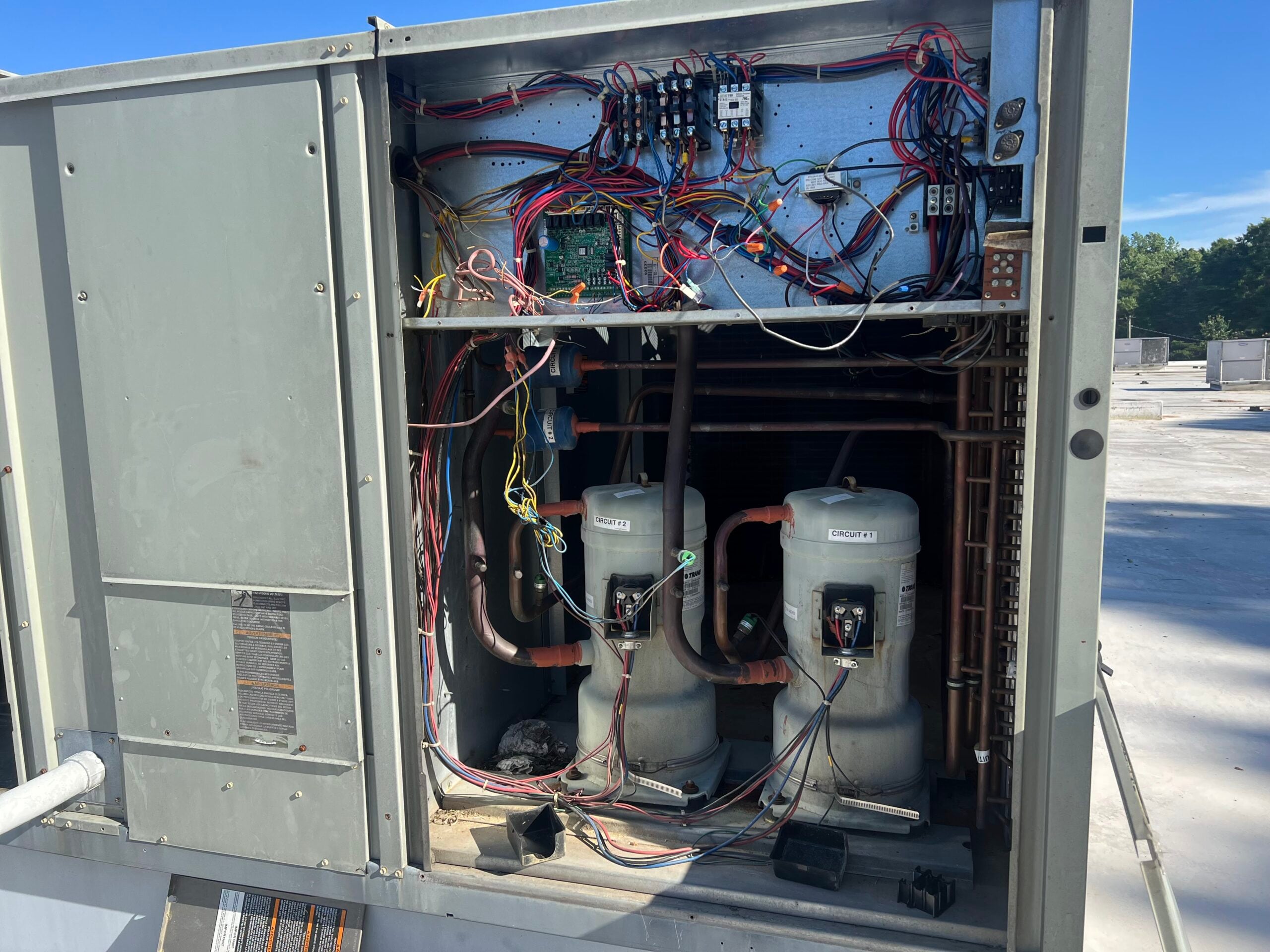
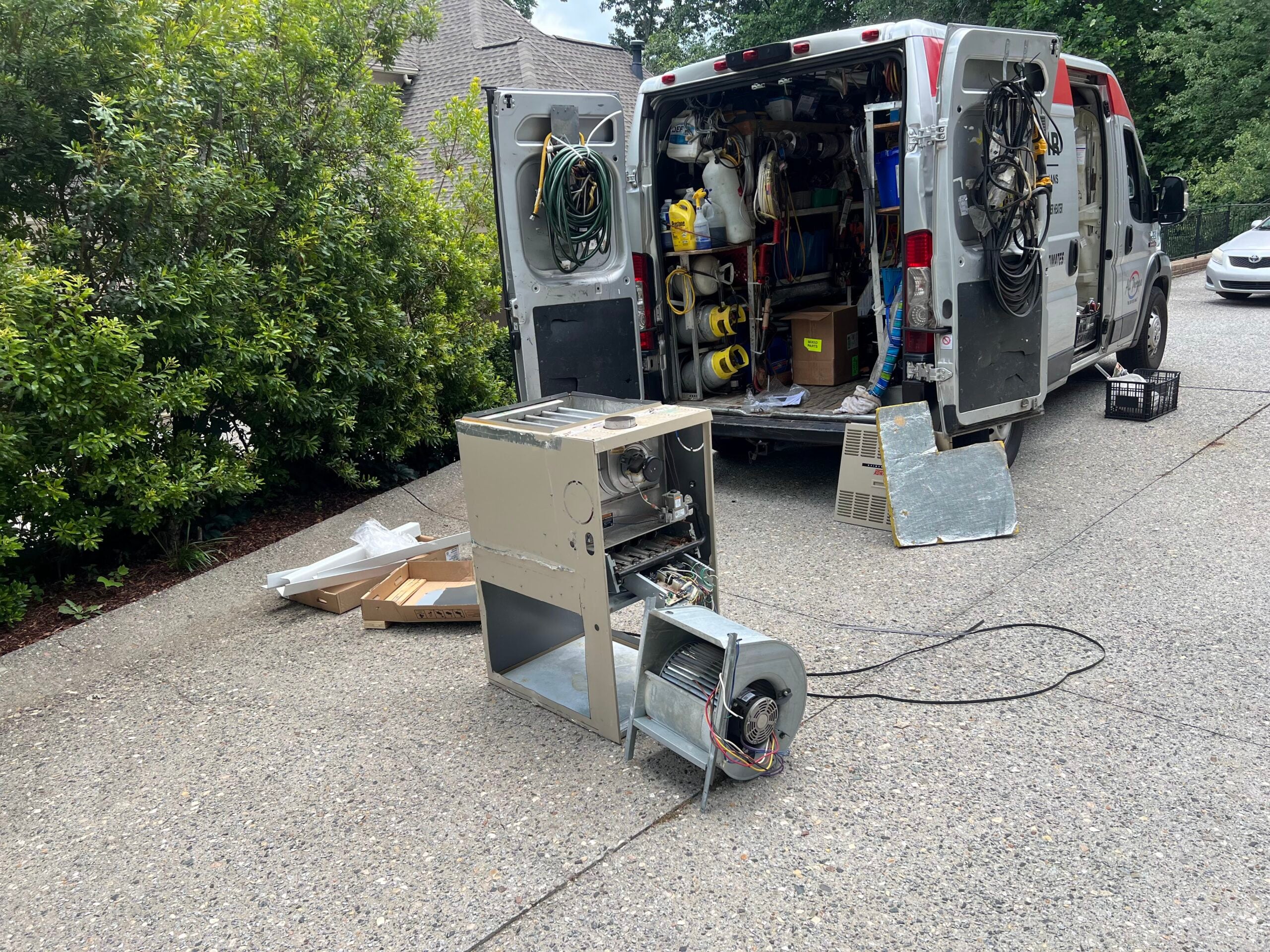
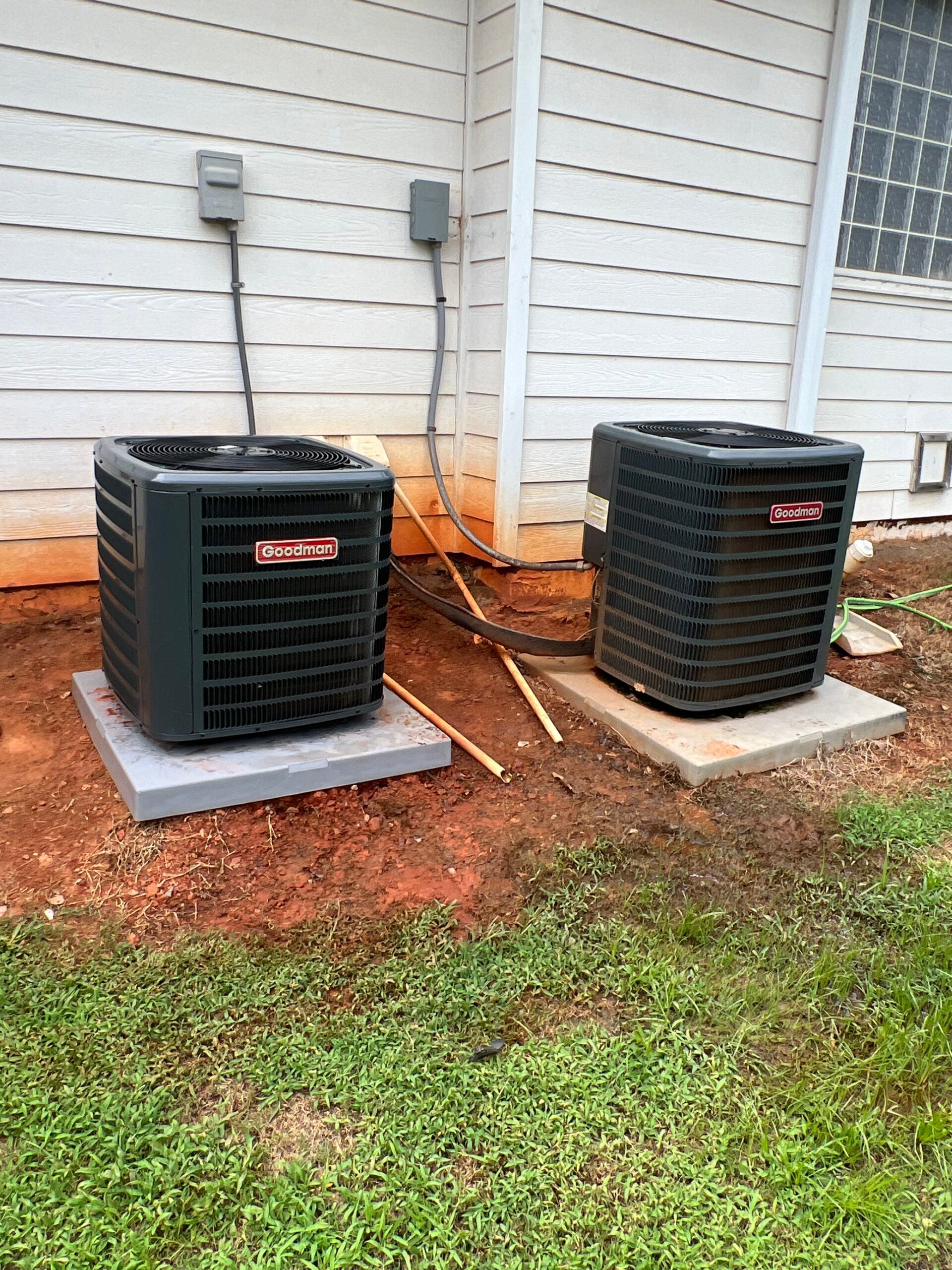
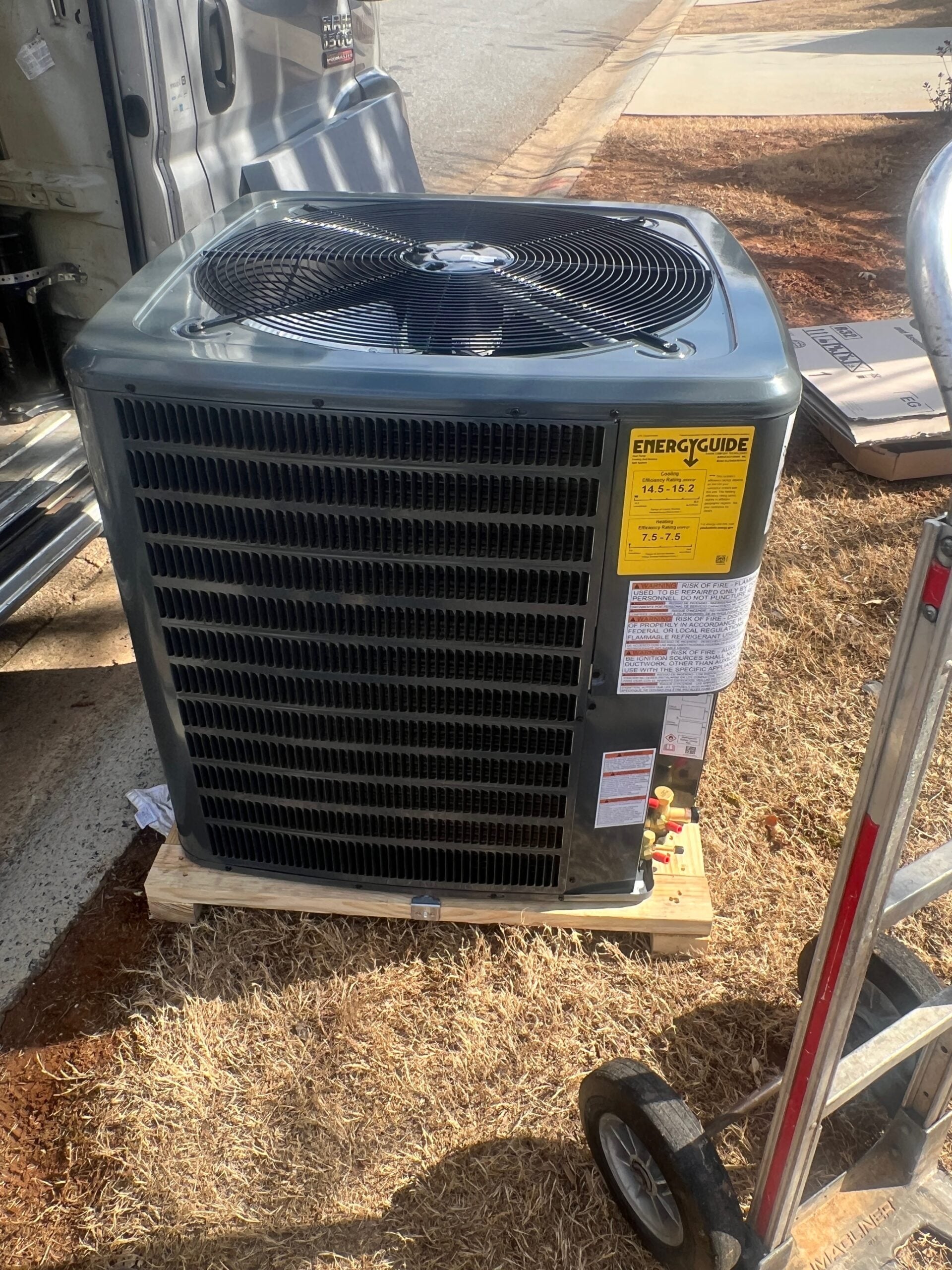
We serve homeowners throughout the Metro Atlanta area, including communities like Alpharetta, Conyers, Peachtree City, Newnan, and McDonough. The work is the same wherever we go, but the cost and timeline of a panel upgrade can vary from one house to the next, and it helps to understand why.
Amperage. Moving from a 100-amp service to a 200-amp service is a different scope of work than upgrading from 150 to 200. The panel itself, the breakers, and sometimes the service entrance conductors all change with the amperage rating. A home adding significant new load, such as an EV charger or a heat pump system, almost always needs to land at 200 amps or higher to have room to grow.
Service entrance and meter base. If the wiring from the utility connection to your panel is old, undersized, or aluminum in a configuration that does not meet current code, it gets replaced as part of the upgrade. The meter base sometimes needs to be changed as well, which adds utility coordination time to the schedule.
Permit and utility fees. These vary by jurisdiction. Some municipalities in our service area move quickly on inspections; others have longer lead times. We factor that into the timeline we give you upfront.
Grounding upgrades. Homes built before modern grounding requirements may need new grounding electrodes, bonding jumpers, or both. That is not extra work we add to pad a bill. It is what the code requires and what keeps the system safe.
If your home also needs older wiring addressed, our page on whole-home rewiring and circuit work covers how we handle that alongside a panel upgrade. For smaller electrical work that often comes up during a panel project, see our page on outlets, switches, and lighting. The only way to get an accurate number for your specific house is to have us look at it. Request your estimate and we will get on the schedule.
+